I didn’t expect cabbage alfredo to become a regular dinner idea, yet here we are. Cabbage is not flashy. It doesn’t scream comfort food. It usually sits quietly in the crisper, waiting for coleslaw duty.
But when cabbage replaces pasta entirely, something interesting happens.
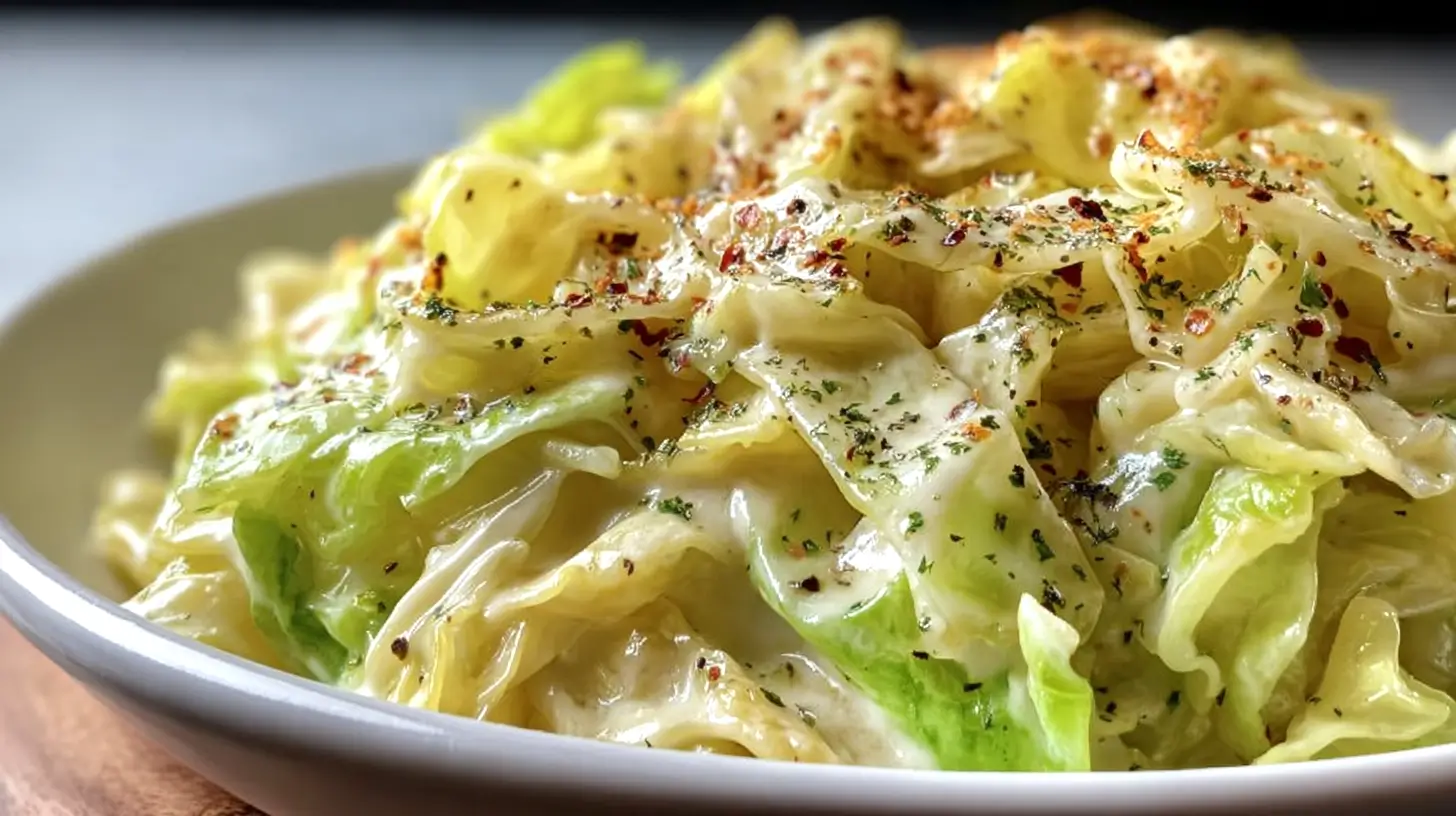
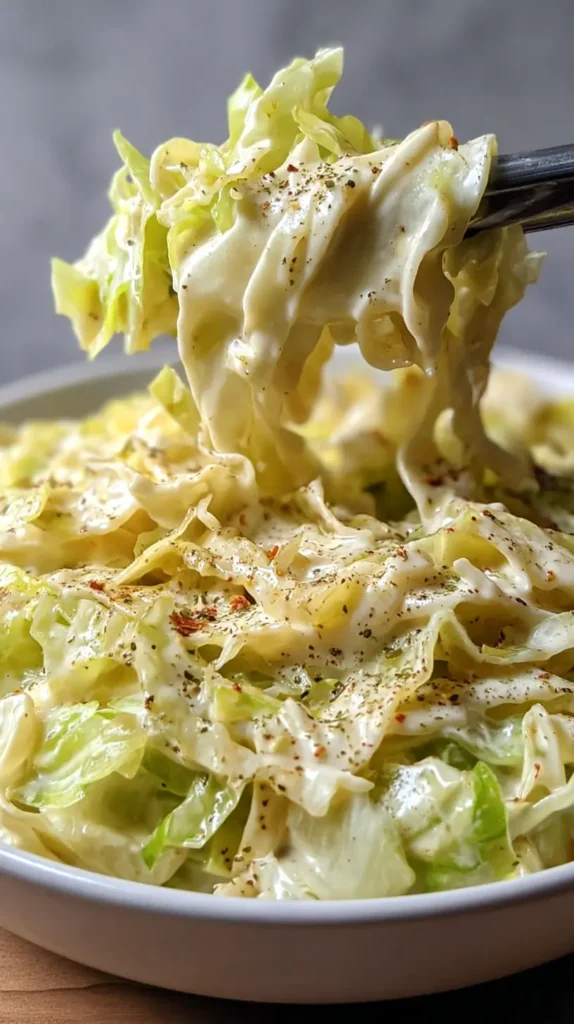
This dish keeps all the cozy energy of a creamy alfredo without the heaviness. Thin ribbons of cabbage soften into silky strands that behave like noodles. They twirl. They coat. And they hold sauce beautifully. (Which feels mildly rebellious.)
Cabbage alfredo works because it doesn’t pretend to be pasta. It just borrows the shape and vibe. The result is indulgent but lighter, rich but not overwhelming, and surprisingly satisfying.
I’ve found that this kind of recipe fits real life better. It cooks quickly. It uses affordable ingredients. And it doesn’t leave you feeling weighed down afterward.
Living in Florida, that balance matters. It’s warm most of the year. Still, I crave creamy dinners. This hits the sweet spot between comfort and sanity.
This is also one of those meals that gets curiosity points. People take a bite, pause, and then nod. That moment always tells me everything.
If you like cozy food with a clever twist, this one delivers. It feels familiar, but it eats differently. And honestly, those are the recipes worth keeping.
Some of the links on this page are affiliate links, which means that if you click on them and buy something, I might get a small commission. But don’t worry; it never costs you more. You can peek at my full disclosure if you’re curious about the fine print.
Why Cabbage Works As A Pasta Replacement
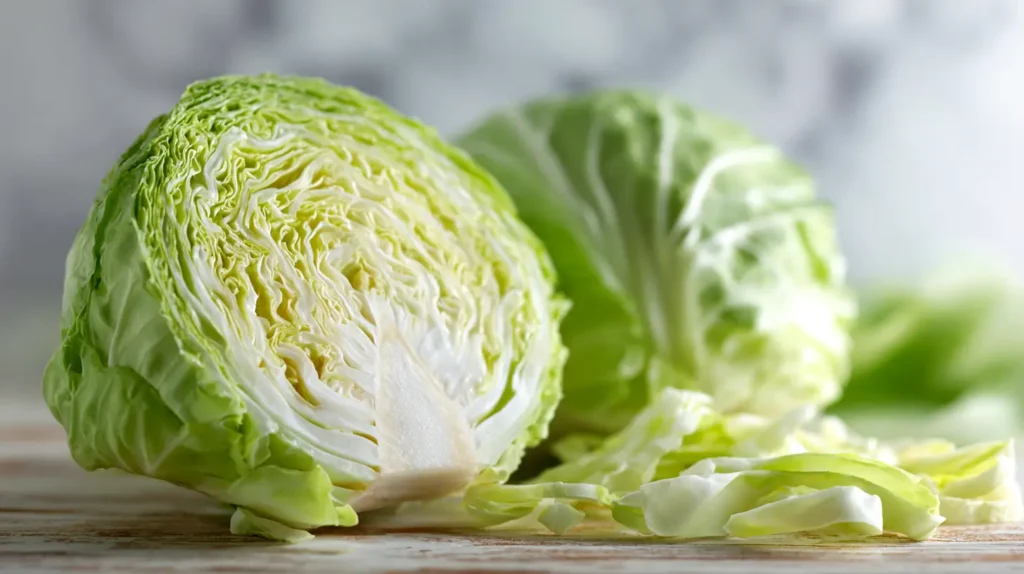
Cabbage makes an excellent pasta stand-in when sliced thinly and cooked gently. That part is key. Thick chunks stay crunchy. Thin ribbons soften into silky strands.
When cabbage cooks in fat and steam, it relaxes. The leaves curl and fold, creating noodle-like texture without starch. That texture is exactly what cabbage alfredo needs.
Cabbage also carries sauce well. Each layer traps cream between folds. Instead of sauce sliding off noodles, it clings. That makes every bite consistent.
Green cabbage works best here. It has structure without bitterness. Red cabbage bleeds color into the sauce. Napa cabbage cooks too quickly and disappears.
Another reason cabbage works is balance. Alfredo sauce alone can feel heavy. Cabbage adds volume without weight. You get a full bowl without the after-dinner slump.
People worry about cabbage flavor. However, quick sautéing prevents that boiled smell. Browning adds sweetness instead of sulfur notes.
I’ve noticed that once cabbage is coated in cream, Parmesan, and garlic, hesitation fades fast. It tastes intentional, not like a swap.
Cabbage alfredo succeeds because it respects texture. It’s not pretending. It’s choosing cabbage on purpose.
Ingredients For No-Noodle Cabbage Alfredo
This recipe stays simple, but precision matters. Cream sauces reward attention. Here is everything you need, measured exactly.
• 1 large head green cabbage, outer leaves removed
• 3 tablespoons unsalted butter
• 2 tablespoons olive oil
• 3 cloves garlic, minced
• 1 cup heavy cream
• ½ cup whole milk
• 1 cup freshly grated Parmesan cheese
• ½ teaspoon kosher salt
• ¼ teaspoon black pepper
• ¼ teaspoon nutmeg
• ½ teaspoon Italian seasoning
• ¼ teaspoon red pepper flakes, optional
• 2 tablespoons chopped parsley, optional
Slice the cabbage into very thin ribbons. Remove the core first. Measure visually rather than by cups. You want a full skillet.
Butter provides richness. Olive oil prevents scorching. Garlic builds aroma quickly.
Heavy cream gives body. Milk keeps the sauce from feeling dense. Parmesan adds salt and umami. Nutmeg lifts the sauce quietly.
Italian seasoning rounds the flavor. Red pepper flakes add warmth without heat overload.
Freshly grated cheese matters here. Pre-shredded cheese does not melt as smoothly.
Prep everything before heating the pan. Once the cabbage cooks down, things move quickly.
How To Slice Cabbage Like Pasta
This step matters more than it sounds. Proper slicing decides whether cabbage alfredo turns silky or turns… sad. Texture is the whole trick here, so I treat this like the opening scene of a period drama. Set it up right, and everything that follows makes sense. (Skip it, and you spend dinner wondering what went wrong.)
First, I cut the cabbage in half. Then I remove the core. I lay each half flat-side down so it stays steady. A wobbling cabbage is how you end up with random chunks, and random chunks do not give noodle vibes.
Next, I slice into very thin ribbons, about ¼-inch wide. I aim for fettuccine width, not chunky stir-fry strips. Thin ribbons soften and curl. Thicker pieces stay crunchy and bossy.
Uniform slicing helps everything cook evenly, so I keep my cuts consistent. I don’t rush this part. One extra minute here saves the whole pan later.
I also avoid shredding too finely. Confetti cabbage disappears and turns watery. Strands hold the sauce and keep that pasta-like look.
If the pile seems huge, I ignore it. Cabbage shrinks dramatically once it hits the heat. That mountain turns into a very reasonable skillet amount, quickly.
Once I finish slicing, I separate the strands with my hands. This prevents clumps and helps the cabbage cook evenly. It also makes tossing later easier, which matters once the sauce comes in.
Good slicing makes cabbage alfredo convincing. Bad slicing makes it taste like vegetables in cream sauce. I prefer the convincing version, every time.
Step-By-Step Cabbage Alfredo Instructions
Follow these steps in order for the best results.
- Heat a large skillet over medium heat. Add butter and olive oil. Let the butter melt completely.
- Add sliced cabbage to the skillet. Toss to coat in fat.
- Cook for 8 to 10 minutes, stirring often, until cabbage softens and reduces in volume.
- Add minced garlic. Cook for 30 seconds, stirring constantly. Do not brown.
- Reduce heat to medium-low. Pour in heavy cream and milk. Stir gently.
- Add salt, black pepper, nutmeg, Italian seasoning, and red pepper flakes if using. Stir to combine.
- Simmer gently for 5 to 7 minutes, stirring occasionally, until the sauce thickens slightly.
- Add Parmesan cheese gradually, stirring until melted and smooth.
- Continue cooking for 2 to 3 minutes, until cabbage is tender but not mushy.
- Taste and adjust seasoning as needed.
- Remove from heat. Garnish with parsley if using. Serve immediately.
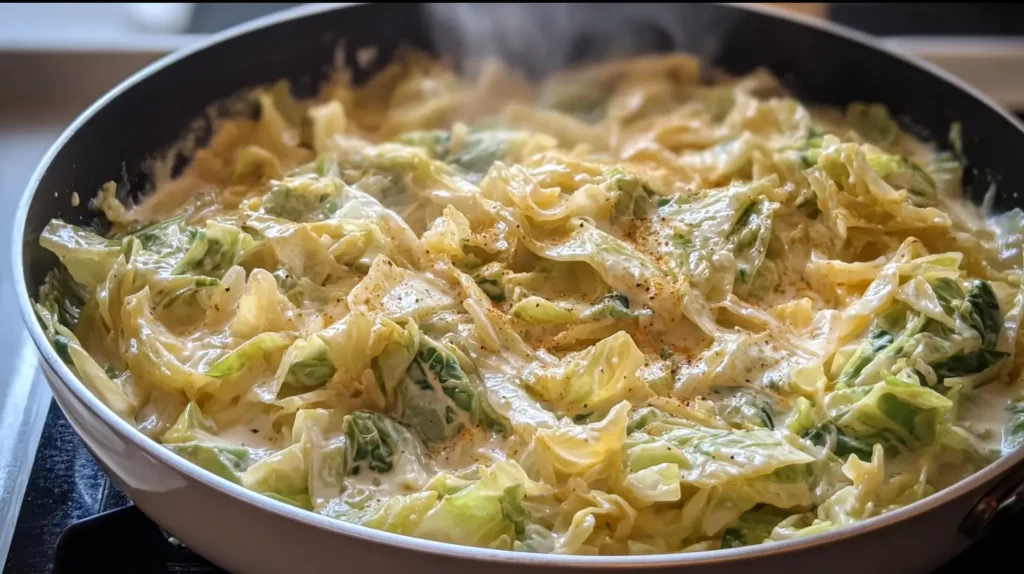
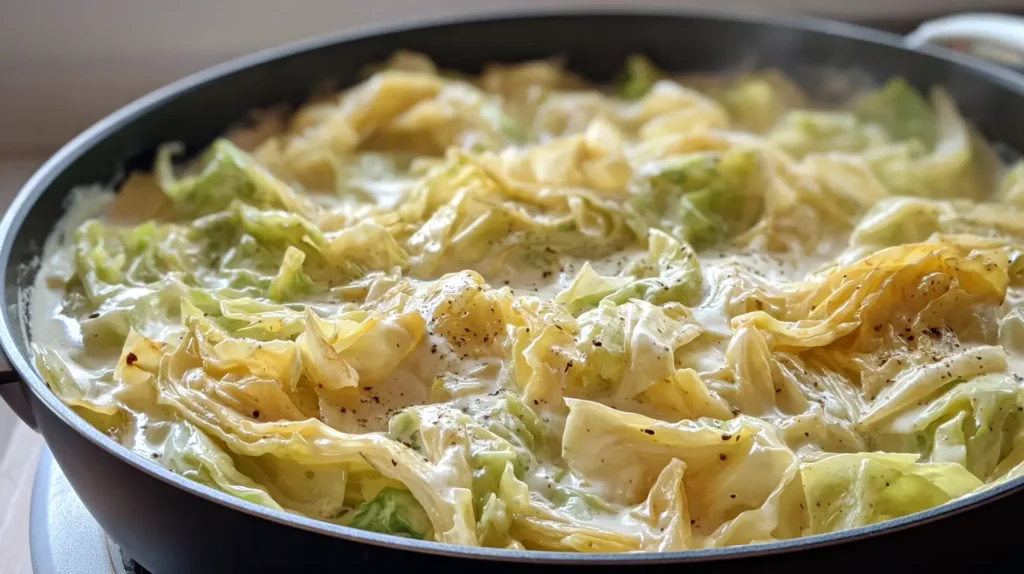
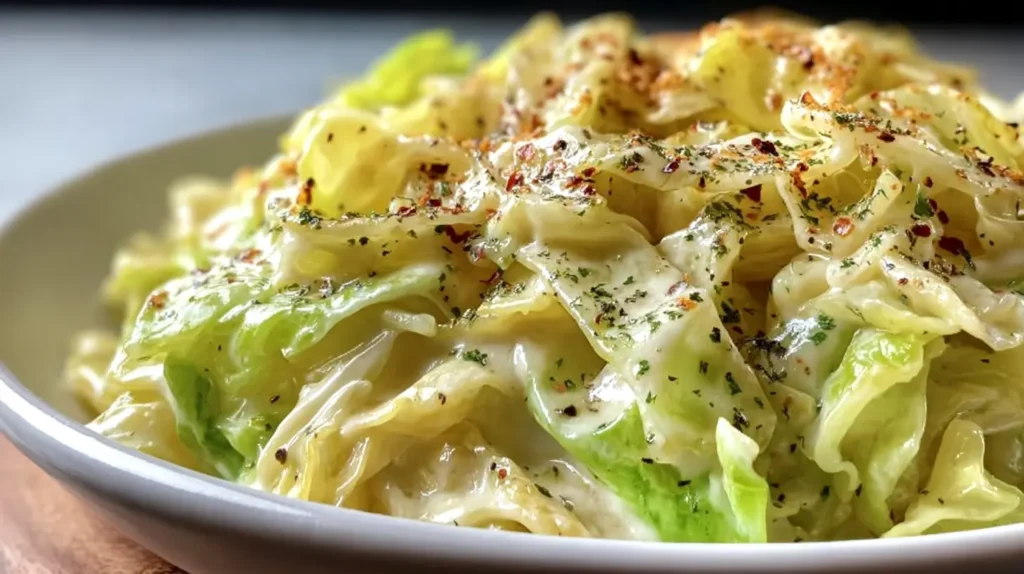
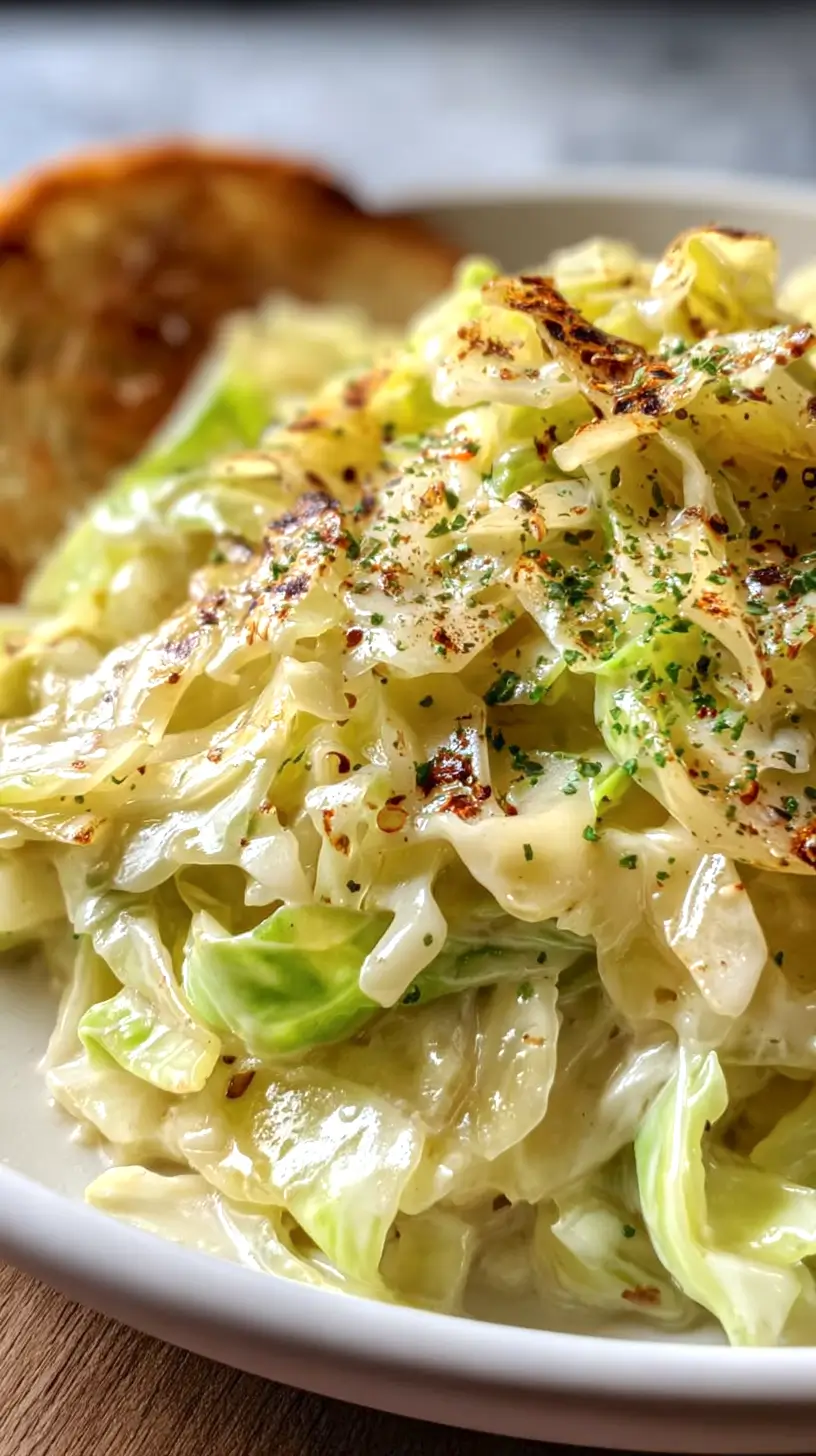
Cabbage alfredo should look glossy and saucy, not soupy.
Tips For Creamy, Not Watery Results
I’ve learned that cabbage releases more moisture than you expect. It’s not wrong. It’s just enthusiastic. Managing that moisture is what keeps cabbage alfredo creamy instead of soupy.
Pan choice matters more than people think. I always reach for a wide skillet. More surface area means steam can escape instead of hanging around uninvited.
I’m also careful not to overcrowd the pan. Too much cabbage at once turns sautéing into steaming, and that’s not the goal here. Flavor needs a little breathing room.
There are a few rules I stick to every single time.
• I use a wide skillet so moisture can evaporate
• I don’t overcrowd the pan
• I cook the cabbage fully before adding cream
• I simmer gently and never boil
• I add cheese off high heat if things get fussy
If the sauce looks thin at first, I let it be. Cream thickens slowly, especially once the cheese melts in. Rushing usually makes things worse.
If it tightens too much, I add a small splash of milk and stir gently. Milk smooths things out without stripping richness. Water just makes it sad.
Once the cream goes in, I lower the heat and stay patient. Cream sauces don’t respond well to pressure.
Nutmeg plays a quiet but important role here. It keeps the sauce balanced without announcing itself. (Which I appreciate.)
When it’s time to toss everything together, I use tongs. They lift and fold the cabbage instead of breaking it apart. That keeps the strands silky and the sauce evenly coated.
These small choices add up. They’re the difference between rushed and polished. And cabbage alfredo deserves the polished version.
Simple Add-Ons That Still Respect The Dish
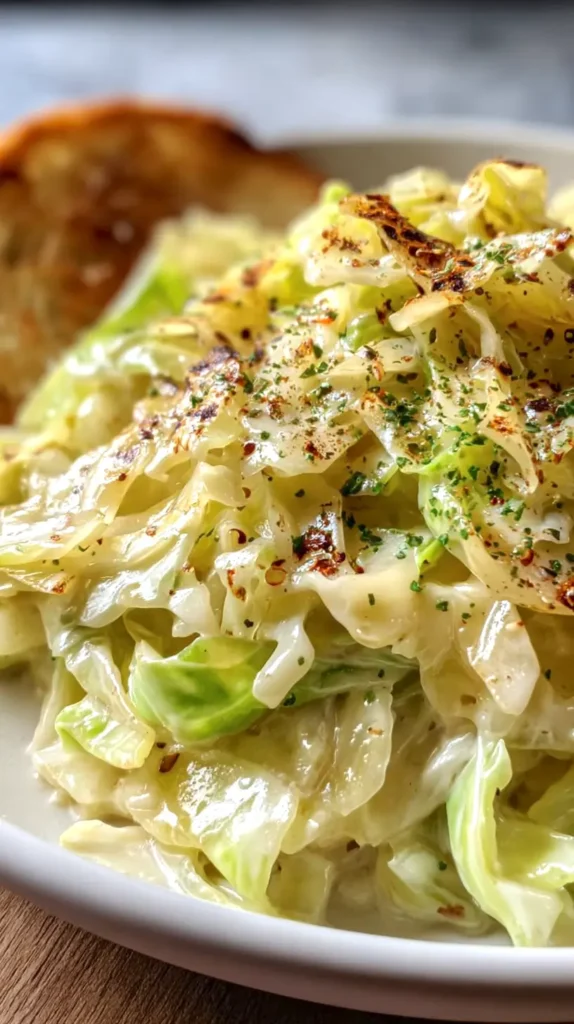
This recipe stands perfectly well on its own. I don’t add extras every time. The cabbage already carries the dish, and it does that job well. Still, some nights call for a little something more. Not a takeover. Just a supporting role.
I keep additions subtle on purpose. The sauce is creamy and calm. It doesn’t need competition.
When I want protein, I stick with options that blend in easily.
• Thin slices of grilled chicken work without overpowering
• Sautéed mushrooms add depth and stay in their lane
• Shrimp fits naturally and cooks quickly right at the end
Each of these works with the cabbage instead of against it. That balance matters.
Sometimes I want a touch of brightness too. Not acidity. Just contrast.
• A pinch of lemon zest wakes everything up without breaking the sauce
I avoid heavier meats here. Sausage and steak change the whole personality of the dish. This recipe doesn’t need that kind of energy.
I also skip acidic sauces entirely. Cream does not play well with vinegar or citrus juice. It will separate, and that’s never the goal.
If I’m adding greens, spinach is my choice. I stir it in at the very end. It wilts almost instantly and disappears into the sauce.
Above all, I keep additions minimal. Cabbage alfredo works best when the cabbage stays center stage. Everything else should simply support the moment.
Cabbage Alfredo
Ingredients
Method
- Remove the outer leaves from the cabbage and discard them.
- Cut the cabbage in half and remove the core.
- Slice the cabbage into thin ribbons about ¼ inch wide.
- Heat the olive oil and butter together in a large wide skillet over medium heat.
- Add the sliced cabbage to the skillet and spread it out evenly.
- Cook the cabbage for 8 to 10 minutes, stirring occasionally, until tender with lightly browned edges and most moisture has cooked off.
- Add the minced garlic to the skillet and cook for 30 seconds until fragrant.
- Reduce the heat to medium-low.
- Pour in the heavy cream and milk and stir to combine with the cabbage.
- Simmer gently for 5 minutes, stirring often, until the sauce begins to thicken.
- Add the Parmesan cheese and stir until melted and smooth.
- Season with salt, black pepper, Italian seasoning, nutmeg, and red pepper flakes if using.
- Continue cooking for 2 to 3 minutes, stirring gently, until the sauce coats the cabbage evenly and looks glossy.
- Taste and adjust seasoning if needed.
- Serve immediately while hot.
Tried this recipe?
Let us know how it was!
Serving And Storing Cabbage Alfredo
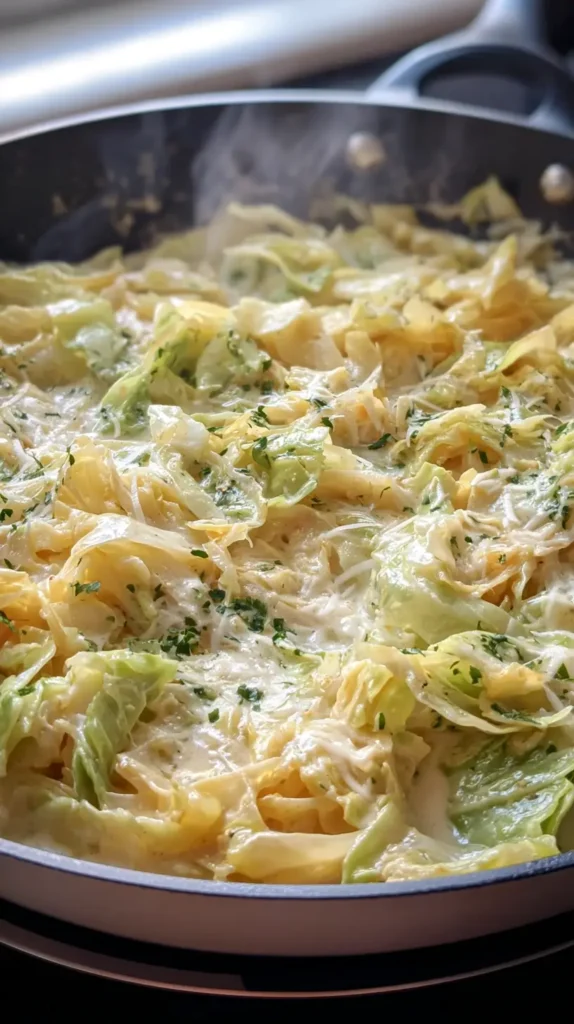
I serve cabbage alfredo right away while it’s hot. That’s when the sauce looks glossy and the cabbage stays silky. Timing matters more here than with pasta. Once it cools too much, the sauce tightens and loses that smooth finish. Warm bowls help too. They buy you a little breathing room before things settle.
I keep the garnish simple on purpose. A light sprinkle of freshly grated Parmesan is enough. A little parsley adds color without distraction. Anything more feels busy, and this dish doesn’t need extra attention. It already knows what it’s doing.
I’ve found that cabbage alfredo satisfies faster than traditional pasta. The cabbage fills the bowl in a different way. It’s hearty without being dense. Because of that, portions don’t need to be huge. Smaller servings still feel complete, which I always appreciate at dinner.
If there are leftovers, I store them in an airtight container in the fridge. They hold up well for up to three days, which makes this recipe surprisingly practical. The cabbage keeps its structure better than most people expect.
When reheating, I go slowly. Gentle heat is key. I add a small splash of milk before warming and stir halfway through. That brings the sauce back together instead of letting it separate or turn grainy. Patience pays off here.
I skip freezing altogether. Cream sauces lose their texture once thawed, and cabbage alfredo deserves better than that fate. This is a dish meant to be enjoyed fresh or carefully reheated, not tucked away for later.
Last Few Thoughts and Ideas
Cabbage alfredo reminds me that comfort food doesn’t need pasta to work. It just needs intention. When a recipe knows what it’s doing, it doesn’t have to prove itself. This dish keeps the cozy energy people want from Alfredo, but it skips the heaviness that often follows.
Living in Florida, that balance matters most nights. It’s warm. It’s humid. And yet, creamy dinners still sound good. They just need to make sense. This one does. It satisfies without weighing everything down, which feels like a small win at dinnertime.
I keep coming back to this recipe because it’s dependable. The ingredients are affordable. The steps are straightforward. And the results stay consistent. That reliability counts when dinner needs to happen without drama.
What I like most is how it surprises people. Cabbage doesn’t announce itself. It doesn’t try to impress. It just quietly takes over the role and does it well. That kind of confidence always wins me over.
This is also the type of recipe that works naturally on Pinterest. It’s unexpected without being weird. It’s practical without being boring. And it fits the way people actually cook during the week.
If you’ve been curious about vegetable-forward comfort food, this is an easy place to start. Nothing feels extreme. Nothing feels like a compromise. It’s just a smart shift that still delivers comfort.
At the end of the day, cabbage alfredo respects your time, your appetite, and your expectations. And honestly, that’s the kind of dinner energy I respect most.