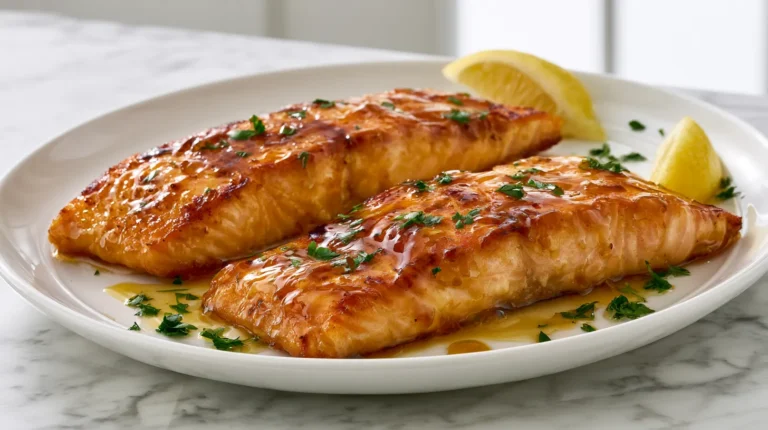
I keep a short mental list of dinners that fix the night without turning it into a full production, and lemon ricotta pasta lives comfortably on that list. It sounds polished enough to pass for effort, yet it behaves like a recipe that understands boundaries. I’ve found that meals like this matter most when energy dips but expectations stay high. I still want dinner to taste bright, look intentional, and arrive before patience starts thinning.
Creamy pasta often gets lumped into the heavy category, which feels unfair here. Ricotta brings softness without weight, while lemon sharpens the edges just enough. Together, they create balance instead of excess. The flavor feels clean and clear, not loud or messy. That matters when a dish repeats often.
I also appreciate recipes that respect the cook. This one uses familiar ingredients and straightforward steps. Nothing hides behind vague language. Nothing assumes guesswork. Instead, the process stays calm and predictable, which keeps cooking enjoyable.
Living in Florida has taught me to think carefully about what feels good in warm weather. Heavy sauces lose appeal fast when evenings stay hot. Citrus-forward pasta holds its ground. Lemon ricotta pasta stays light enough for heat while still delivering comfort. That balance keeps it useful year-round.
This post walks through everything clearly. You’ll get exact amounts of each ingredient and clear, step-by-step instructions that are easy to follow. The goal stays simple: a pasta you trust, crave, and remake without second-guessing.
Some of the links on this page are affiliate links, which means that if you click on them and buy something, I might get a small commission. But don’t worry; it never costs you more. You can peek at my full disclosure if you’re curious about the fine print.
Why Lemon Ricotta Pasta Always Feels Like a Good Idea
Lemon ricotta pasta works because it understands restraint. Nothing tries to steal the spotlight. Instead, each ingredient supports the next. That balance shows up immediately, especially on nights when you want dinner to behave.
Ricotta brings creaminess without dragging things down. Unlike heavier sauces, it coats rather than smothers. Lemon adds brightness without turning sharp. Together, they keep the flavor clear and focused. I’ve found that clarity matters more than complexity.
Meanwhile, pasta water quietly does important work. That starchy liquid helps bind the sauce to the noodles. Because of it, the dish feels cohesive rather than accidental. Nothing slides off. Nothing pools at the bottom.
Timing also plays a role. The sauce comes together while the pasta cooks. That overlap keeps things moving. You’re not waiting on reductions or guessing texture. You’re simply assembling something that makes sense.
Because the ingredients stay familiar, the dish feels approachable. Yet the balance feels thoughtful. That combination keeps it from feeling boring. It also explains why this recipe repeats so easily.
I like meals that feel calm from start to finish. This one does. Lemon ricotta pasta doesn’t demand attention or patience. It just works, which is often exactly what dinner needs to do.
Ingredients Needed
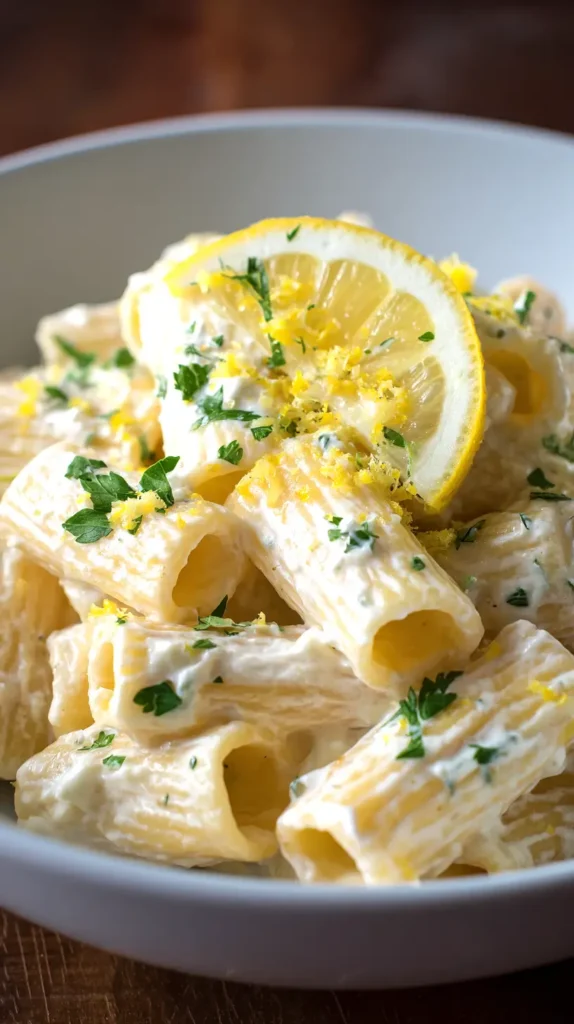
The ingredient list stays focused and practical. Each item earns its place. Nothing feels decorative or unnecessary.
You’ll need pasta that holds sauce well. Short shapes like rigatoni or penne work beautifully. Long noodles also work if that’s what you have. Surface area matters more than shape.
Whole milk ricotta matters here. Lower-fat versions don’t melt smoothly. Fresh lemon provides both juice and zest, which builds depth. Garlic adds warmth without overpowering.
Olive oil forms the base. Salt and black pepper sharpen the flavor. Red pepper flakes stay optional. Fresh parsley finishes the dish cleanly.
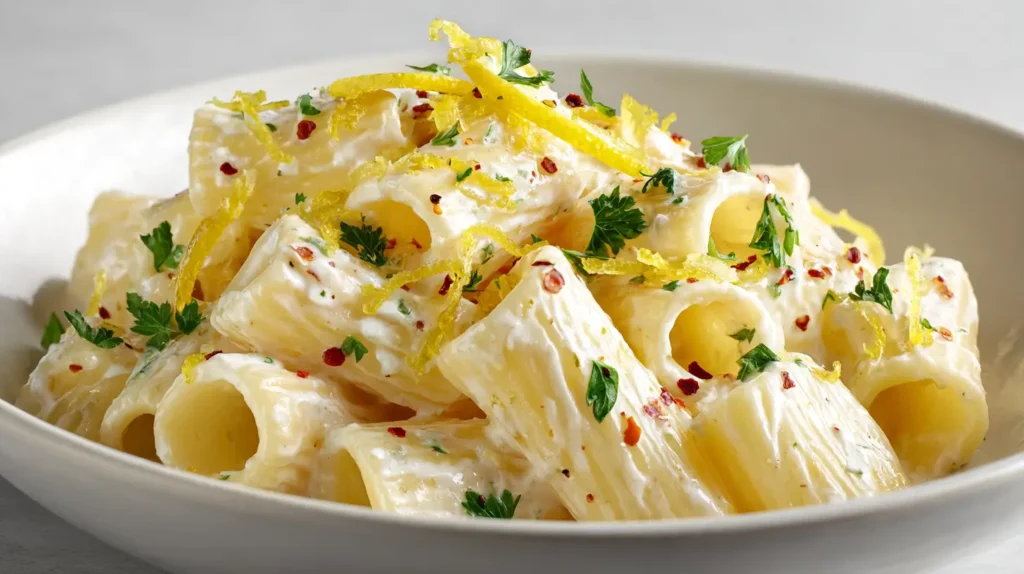
Exact ingredients and measurements:
• 12 ounces pasta
• 1 cup whole milk ricotta
• 1 large lemon, zested and juiced
• 2 tablespoons olive oil
• 2 cloves garlic, minced
• ¾ teaspoon kosher salt
• ¼ teaspoon black pepper
• ¼ teaspoon red pepper flakes, optional
• 2 tablespoons chopped fresh parsley
Everything should be prepped before cooking starts. That preparation keeps the process smooth. It also prevents overcooking pasta while multitasking.
Because measurements stay exact, results stay consistent. Lemon ricotta pasta doesn’t ask you to guess. It tells you exactly what to do.
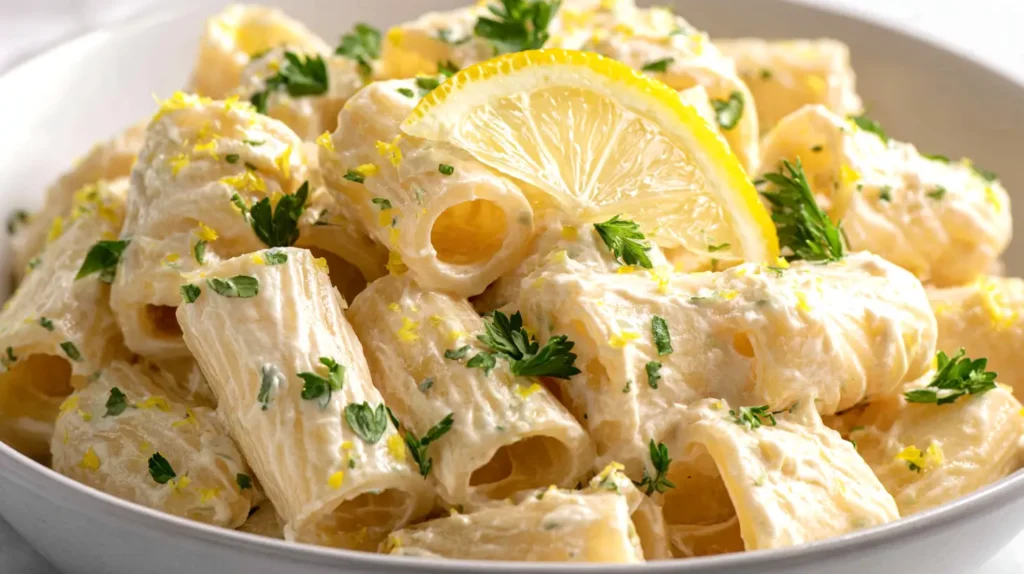
Step-By-Step Instructions For Lemon Ricotta Pasta
Everything starts with a large pot of water set over high heat. Once boiling, I salt it generously, because pasta needs seasoning early. The pasta goes in next, followed by a quick stir to prevent sticking. According to the package directions, it cooks until al dente. During that time, I stay nearby and stir once or twice. Before draining, one full cup of pasta water gets reserved. That step always matters later.
Meanwhile, a large skillet warms over medium heat. Olive oil goes in first, followed by the minced garlic. This part moves quickly, so attention helps. After about 30 seconds, the garlic smells fragrant. At that point, the heat comes down slightly. Browning gets avoided on purpose, since bitter garlic ruins good plans.
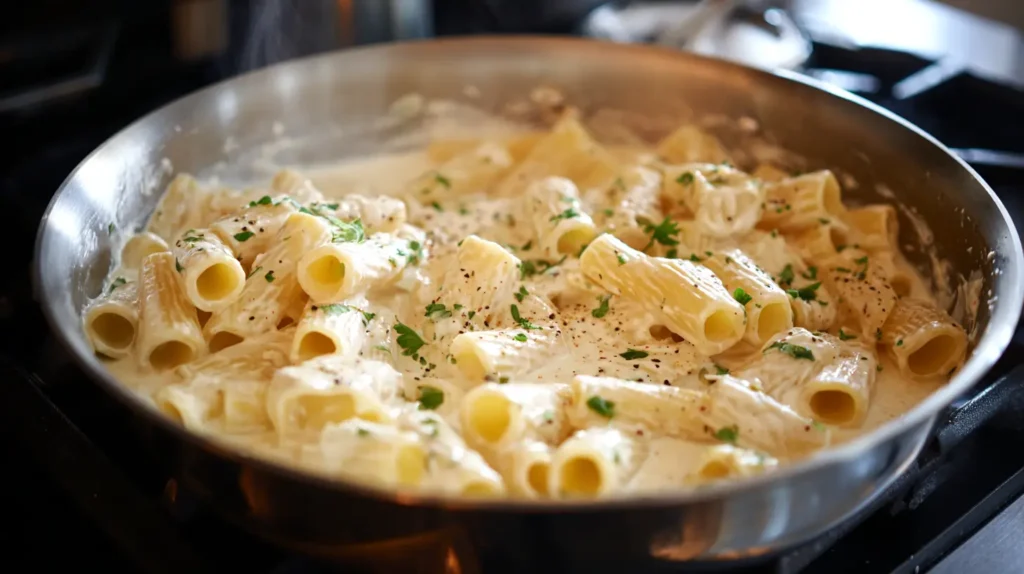
With the heat lowered, ricotta gets added to the skillet. Gentle stirring warms it through without rushing. The goal stays smooth, not bubbling. Lemon zest and lemon juice follow, along with salt and black pepper. Everything gets stirred slowly until the sauce looks creamy and blended. At this stage, the sauce should look soft and loose.
Once the pasta finishes cooking, it moves straight into the skillet. Reserved pasta water gets added a little at a time. Stirring happens between each addition. When the sauce coats the noodles evenly, the pouring stops. Glossy pasta is the goal here.
If red pepper flakes are happening, they go in now. A quick taste helps guide seasoning adjustments. Finally, chopped parsley finishes things off. The pasta gets served warm, while everything still looks just right.
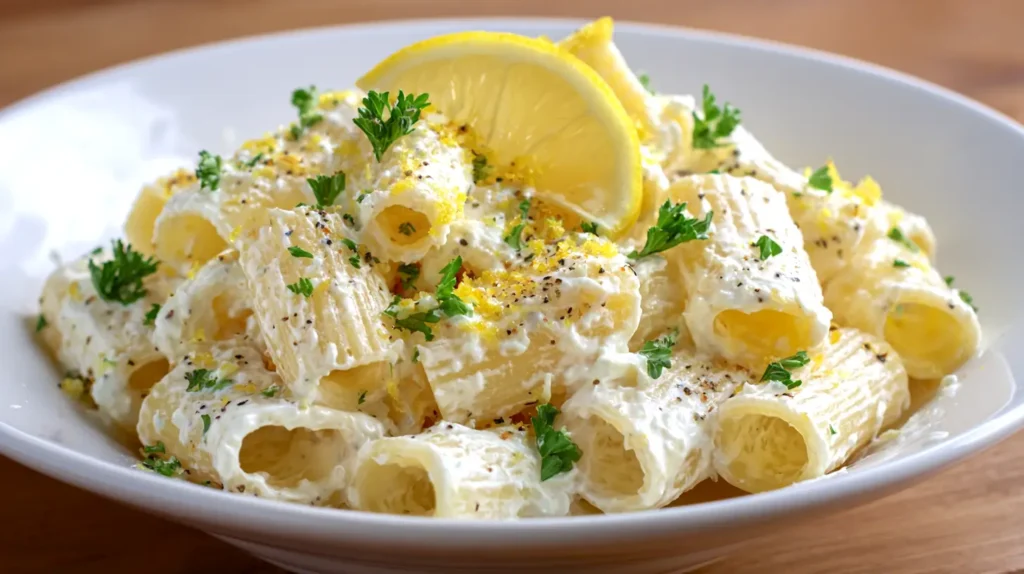
How Pasta Water Changes Lemon Ricotta Pasta
Pasta water rarely gets attention, yet it plays a major role in how this dish turns out. I used to underestimate it until I skipped it once. The difference was obvious. That cloudy water contains starch released during cooking. Starch helps sauces stay evenly distributed across pasta.
Without pasta water, sauces tend to sit in the pan instead of coating noodles. That leads to uneven bites and a dry finish. With it, the sauce spreads more evenly across the pasta. The result tastes more intentional, even though the step stays simple.
Adding pasta water slowly matters more than people expect. Control comes from small adjustments, not big pours. Too little water leaves the sauce thick and stiff. Too much water thins everything out. The goal stays creamy and cohesive, with pasta fully coated.
Ricotta also changes texture as it cools. That shift happens quickly once the pasta leaves the stove. Pasta water allows for small corrections during that stage. It keeps the sauce workable while mixing and serving. That matters when timing isn’t perfect.
I’ve found it helps to reserve more pasta water than needed. Extra water gives flexibility. Running out limits options. Adding water stays easy. Removing it does not.
Temperature plays a role too. Hot pasta water blends smoothly into the sauce. Cold water causes separation and uneven texture. Keeping everything warm prevents those problems.
This step separates average results from consistent ones. It doesn’t add time or cost. It simply improves how lemon ricotta pasta comes together. Paying attention here leads to better texture and more reliable results every time.
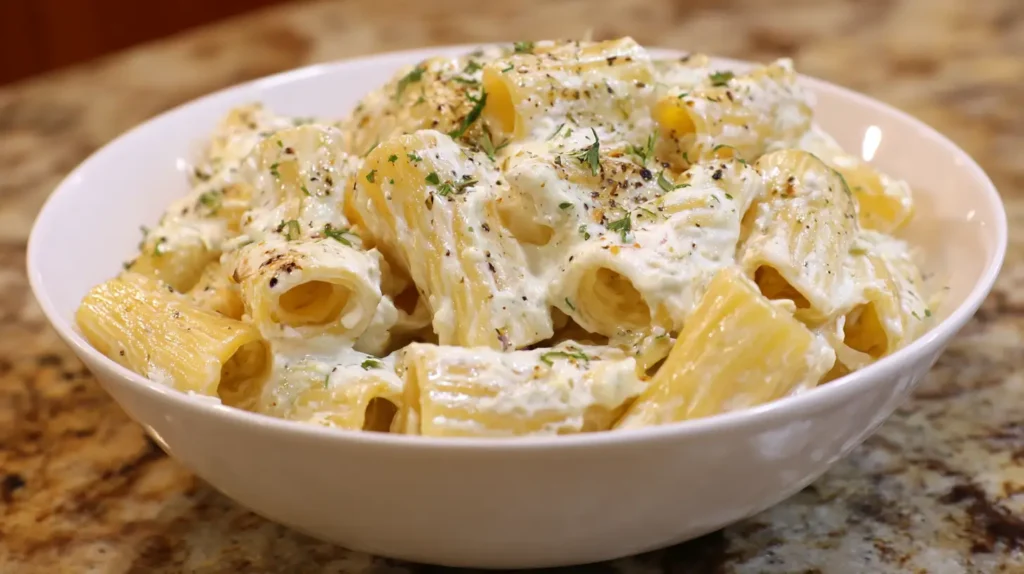
Flavor Tweaks That Still Respect Lemon Ricotta Pasta
You can make small changes to this dish, but you need to be careful. I’ve found that lemon ricotta pasta works best when changes stay thoughtful. Too many additions blur the original intent. The balance depends on simplicity, not abundance.
Greens fit easily when handled with care. Spinach works well because it wilts quickly and blends without effort. Timing matters here. Putting it in at the end keeps the texture nice and stops too much moisture from getting in. That approach keeps the sauce consistent.
Peas offer another easy option. Their natural sweetness adds contrast without overwhelming the dish. Because peas stay small, they distribute evenly through the pasta. That even spread helps every bite stay balanced.
Protein deserves a lighter touch. Large portions change the structure of the dish. Smaller amounts support it instead. Grilled chicken or shrimp work best when sliced thin and added gently. The goal is still to improve, not to take over.
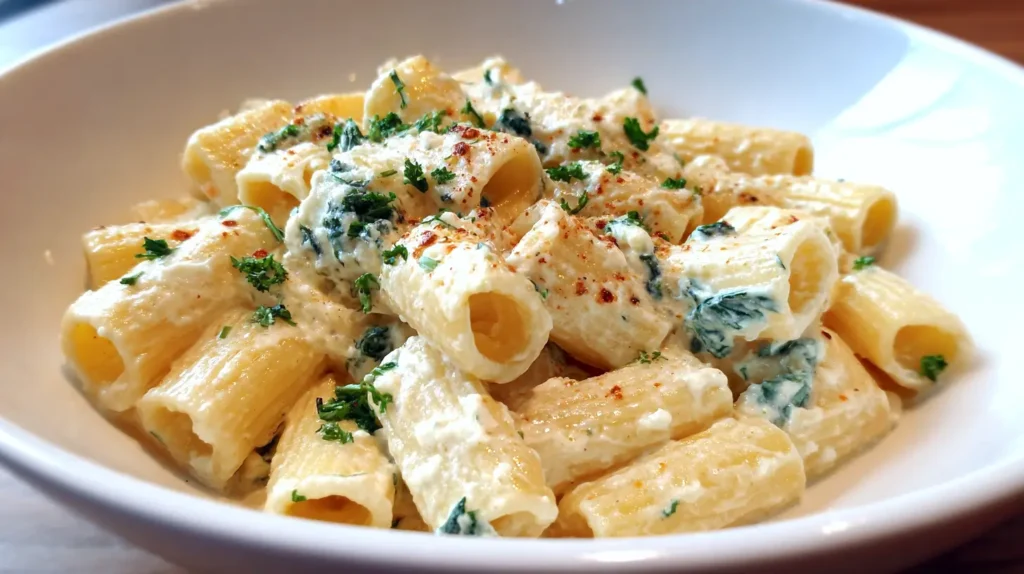
Helpful additions:
• Baby spinach, stirred in right before serving
• Frozen peas, added while the pasta stays hot
• Grilled shrimp, sliced thin and folded in carefully
Heavy cheeses create problems quickly. They mask the lemon and weigh down the sauce. Extra sauces do the same thing. Both pull attention away from what already works.
Turns out, holding back is the secret sauce! Small changes keep it flexible without losing its identity. That approach makes the dish repeatable instead of unpredictable.
Lemon ricotta pasta is super flexible, just keep the basics in check! Less is more when it comes to keeping that texture, flavor, and consistency just right! Consistency is key when a recipe becomes a go-to in your kitchen!
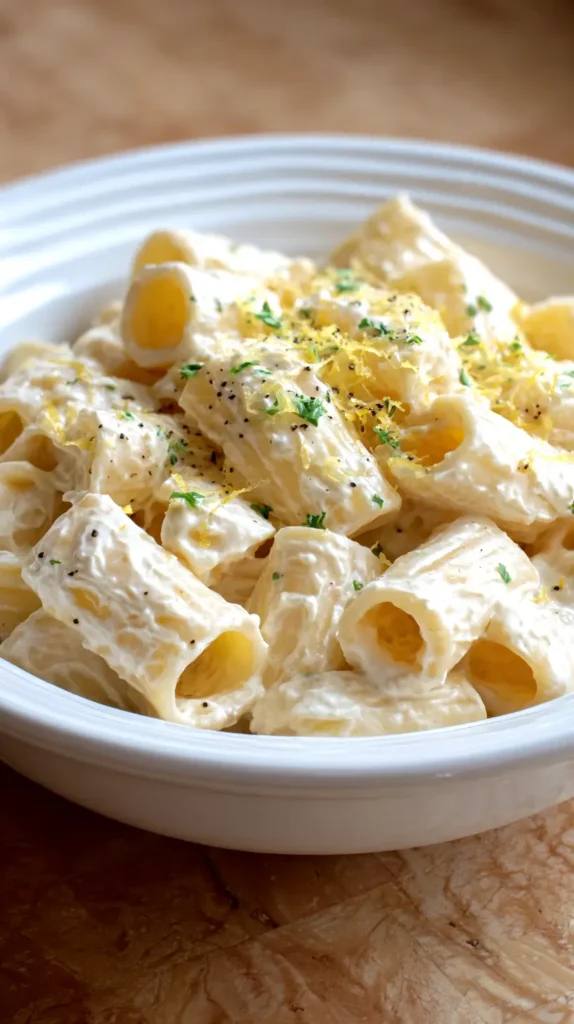
Common Mistakes With Lemon Ricotta Pasta
High heat causes issues faster than most people expect. I’ve learned to lower the temperature as soon as ricotta enters the pan. Ricotta changes texture when pushed too hard. Gentle heat keeps the sauce smooth and consistent. This step alone prevents many problems.
Another common mistake involves skipping pasta water. That starchy liquid plays a real role in texture. Without it, the sauce struggles to coat the noodles evenly. I always reserve more than I think I’ll need. Having it nearby gives control later. Even if it goes unused, it’s worth saving.
Seasoning also trips people up. Under-seasoned pasta tastes flat, no matter how good the ingredients are. Salt matters more than expected here. I taste near the end and adjust slowly. That habit keeps flavors clear and balanced.
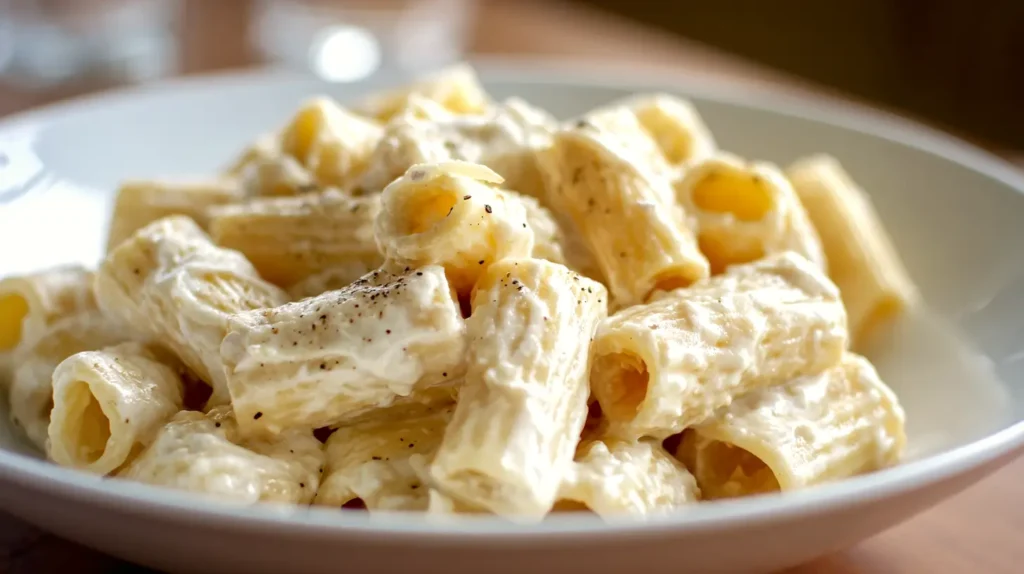
Other common mistakes include:
• Browning the garlic instead of warming it gently
• Skipping the lemon zest and relying only on juice
• Overcooking the pasta past al dente
Pan size matters more than it seems. Crowded skillets prevent even mixing. A larger pan gives the sauce room to spread. That space helps coat every noodle evenly. When everything fits comfortably, mixing becomes easier and more consistent.
I’ve found that slowing down slightly prevents most issues. This recipe doesn’t need rushing. Paying attention early avoids fixing problems later. Once these points become familiar, the process feels straightforward instead of stressful.
Taking your time with each step makes lemon ricotta pasta taste its best. Avoiding these mistakes keeps texture predictable and flavor balanced. That consistency makes the recipe dependable, even on busy nights.
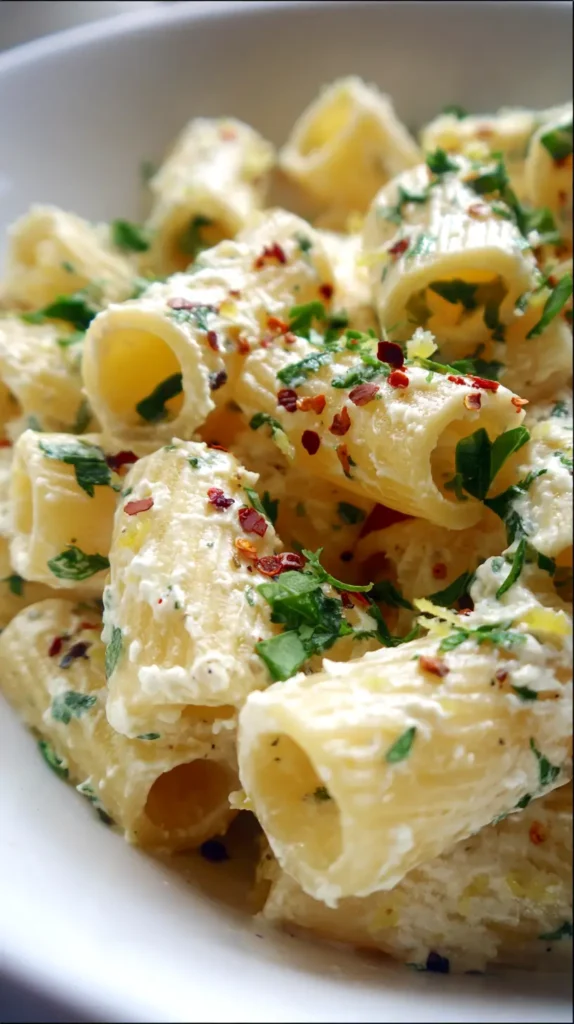
Storing And Reheating Lemon Ricotta Pasta
Leftovers from this dish hold up better than expected when stored correctly. I always let the pasta cool before putting it away. Trapping heat creates moisture, which affects texture later. Once cooled, an airtight container keeps everything stable in the refrigerator for up to three days.
Reheating works best when done slowly. The stove gives the most control, although the microwave works in a pinch. A small splash of water helps loosen the sauce during reheating. Stirring between intervals prevents uneven warming and dry spots. Taking a few extra seconds here makes a noticeable difference.
Heat level matters during reheating. High heat causes the ricotta to tighten, which changes the texture. I keep the temperature low and stay nearby. That approach protects the sauce and keeps it smooth. Rushing usually leads to grainy results, which no one wants.
Fresh pasta still wins, but leftovers stay enjoyable. The texture softens slightly, which is expected. Flavor remains clear and balanced, even on the second or third day. That makes this dish practical for lunches or easy dinners later in the week.
I’ve found that portioning leftovers helps too. Smaller servings reheat more evenly than one large container. That simple step saves time and prevents overcooking edges while the center warms.
Lemon ricotta pasta is easier to reheat than a lot of other creamy pasta dishes. The sauce stays lighter and less prone to separation. That reliability adds value, especially when planning meals ahead. Knowing leftovers will still taste good makes the recipe easier to repeat without hesitation.
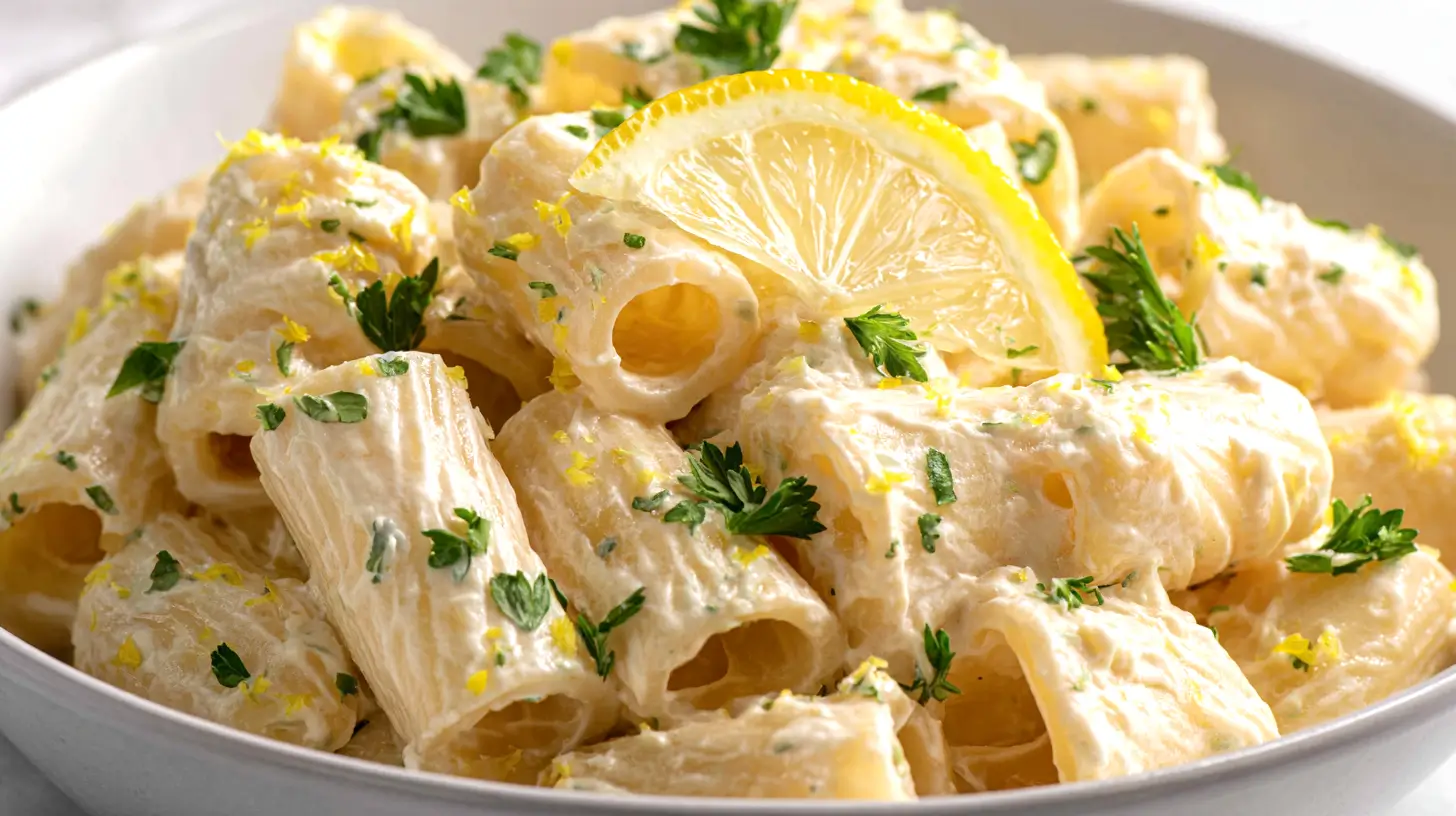
Lemon Ricotta Pasta
Ingredients
Method
- Bring a large pot of water to a boil and salt it generously.
- Add the rigatoni and cook according to package directions until al dente, stirring occasionally.
- Before draining, reserve one full cup of the pasta cooking water and set it aside.
- Drain the pasta and keep it warm.
- Place a large skillet over medium heat and add the olive oil.
- Once the oil is warm, add the minced garlic and cook for about 30 seconds, stirring constantly, until fragrant.
- Lower the heat slightly to prevent browning.
- Add the ricotta cheese to the skillet and stir gently until warmed through and smooth.
- Add the lemon zest, lemon juice, salt, and black pepper to the ricotta and stir until fully combined.
- Add the drained pasta directly to the skillet with the sauce.
- Pour in the reserved pasta water a little at a time, stirring gently between additions, until the sauce evenly coats the pasta.
- Stop adding pasta water once the sauce is creamy and clinging, not watery.
- Add red pepper flakes if using and stir gently to combine.
- Taste and adjust seasoning if needed.
- Remove the skillet from the heat.
- Sprinkle with chopped parsley just before serving.
- Serve warm.
Tried this recipe?
Let us know how it was!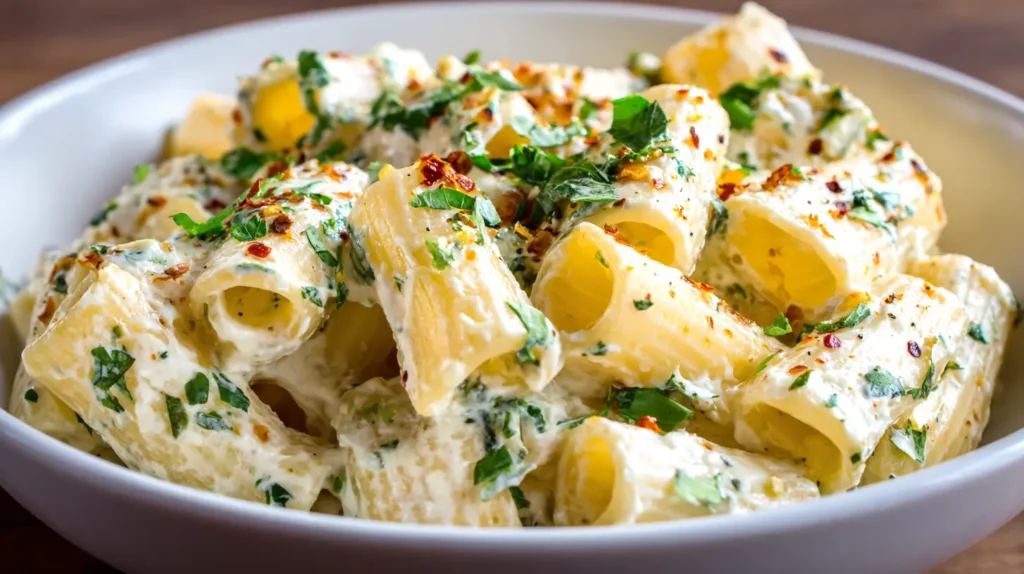
Final Thoughts
I return to lemon ricotta pasta because it respects my time and expectations. It doesn’t ask for extra effort or emotional investment. Instead, it delivers clean flavor and predictable results. That reliability matters on busy nights.
I’ve found that recipes like this earn loyalty quietly. They don’t shout. They simply show up and work. This one balances brightness and comfort without drifting into heaviness. That balance keeps it useful year-round.
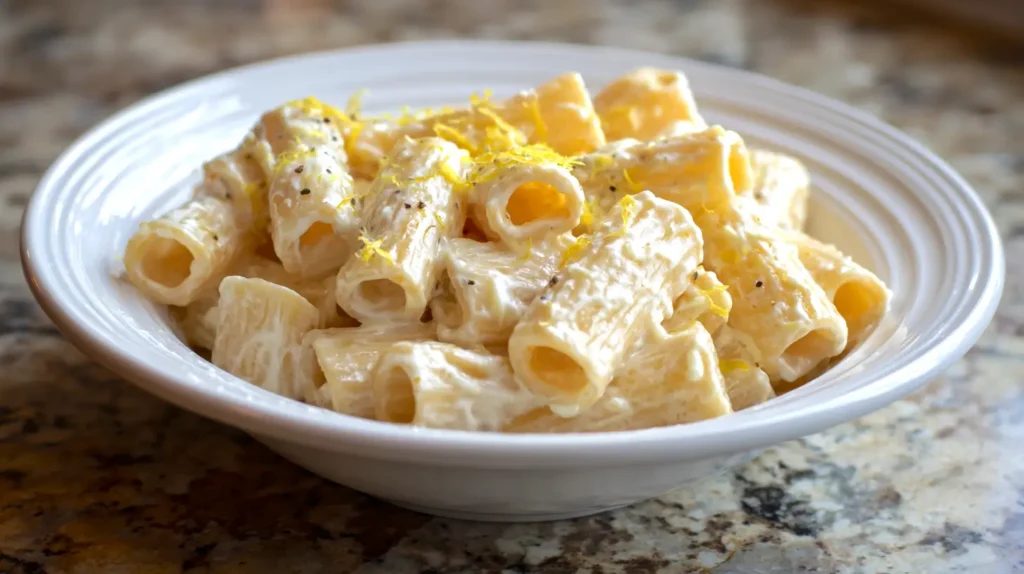
Living in Florida means I think about heat when choosing meals. Heavy food loses appeal fast. Lemon ricotta pasta stays light enough for warm evenings while still feeling satisfying.
This dish also performs well on Pinterest, which matters when saving dependable recipes. It looks good, reads clearly, and cooks reliably.
This pasta knows how to play nice, tastes fresh, and won’t haunt you later—definitely a keeper! Lemon ricotta pasta doesn’t try to impress. It just delivers, which is exactly why it works.