I’ve found that a carrot cake recipe always pulls a tiny prank on my brain. One minute I swear I want something simple, then I remember cream cheese frosting exists. That memory hits like a plot twist. Suddenly I’m side-eyeing my pantry like, do I own enough cinnamon. I tend to notice carrot cake gets judged before it even starts. People hear carrots and think salad energy. Then they taste it and go quiet, like they just got caught being wrong. That moment makes me laugh.
Living in Orlando means desserts compete with theme-park treats and citrus everything. Still, this cake keeps its spot, because it tastes classic without being boring. I like that it doesn’t chase trends. It just shows up, sturdy and spicy, with a soft crumb that makes people linger. Also, it forgives a little chaos, which I respect.
I’m not here to play dessert Olympics. Instead, I’m here to bake something that works, tastes rich, and slices clean. This post has the full plan, but it won’t hit you all at once. I’m going to talk ingredients, small choices, and the exact steps. Plus, I’ll share quick fixes for the usual hiccups. And yes, we’ll talk frosting, because we must.
Right now, you might think the carrots do all the work. They don’t. You might also think more spice fixes everything. It won’t. One detail later changes the whole cake, and it’s not what you think.
Some of the links on this page are affiliate links. That means if you click and make a purchase, I may earn a small commission at no extra cost to you. If you’re curious about the fine print, you can check out my full disclosure.
What This Dessert Actually Tastes Like
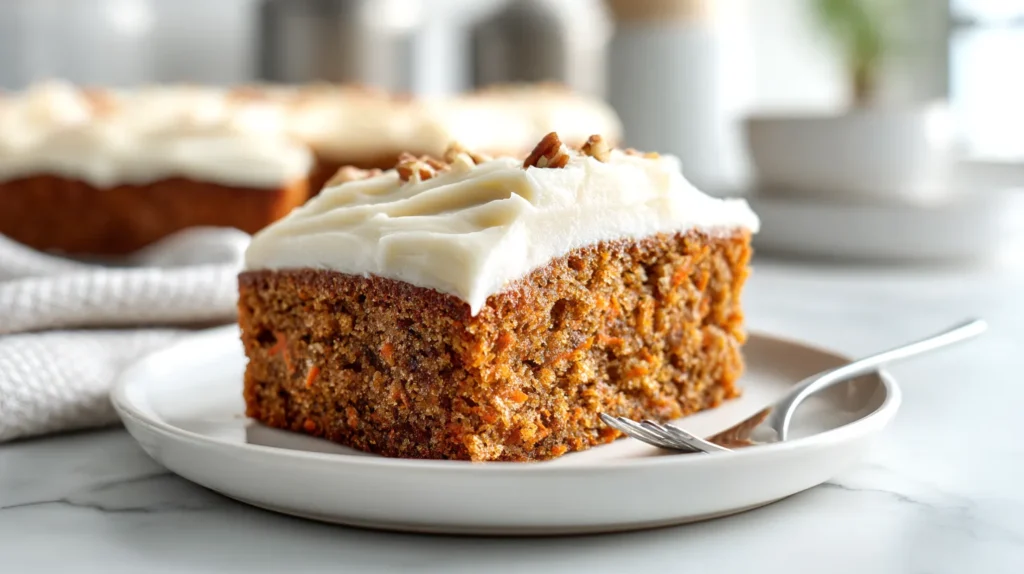
Carrot cake tastes like comfort with a backbone. It’s sweet, but not sugary. Yet it’s spiced, not potpourri. I’ve found the best carrot cake recipe tastes warm even when it’s cool. That sounds dramatic, yet it’s true. The crumb stays tender, and the spices linger in a good way.
Most people expect it to taste like carrots. It doesn’t. Carrots bring moisture and mellow sweetness, not veggie flavor. That’s the first assumption I like to flip. Another surprise is texture. Shredded carrots create tiny pockets of softness, so the cake resists drying out. That matters when you bake ahead.
Cream cheese frosting adds tang, which keeps sweetness in check. Without it, the cake can taste flat. With it, it tastes balanced and a little bold. Here’s the vibe I aim for:
- Soft crumb that bounces back, not crumbly sand.
- Cinnamon and ginger that read cozy, not sharp.
- Sweetness that doesn’t coat your teeth.
- Frosting that tastes clean, not like straight butter.
Now the plot thickens. Add-ins change the whole personality. Nuts add crunch. Raisins add chew. Pineapple adds extra moisture. Some people swear by all three. I don’t think you need any of them. Often, add-ins hide weak cake structure. A solid base should stand alone. Then you add extras for fun, not for rescue.
Here’s a quick reset. If you’ve only had dry carrot cake, you’ve had a bad recipe. When you’ve only had oily carrot cake, you’ve had a heavy hand. This version sits in the middle, and it stays there. Next, I’ll show you the ingredient list and why each one earns its spot.
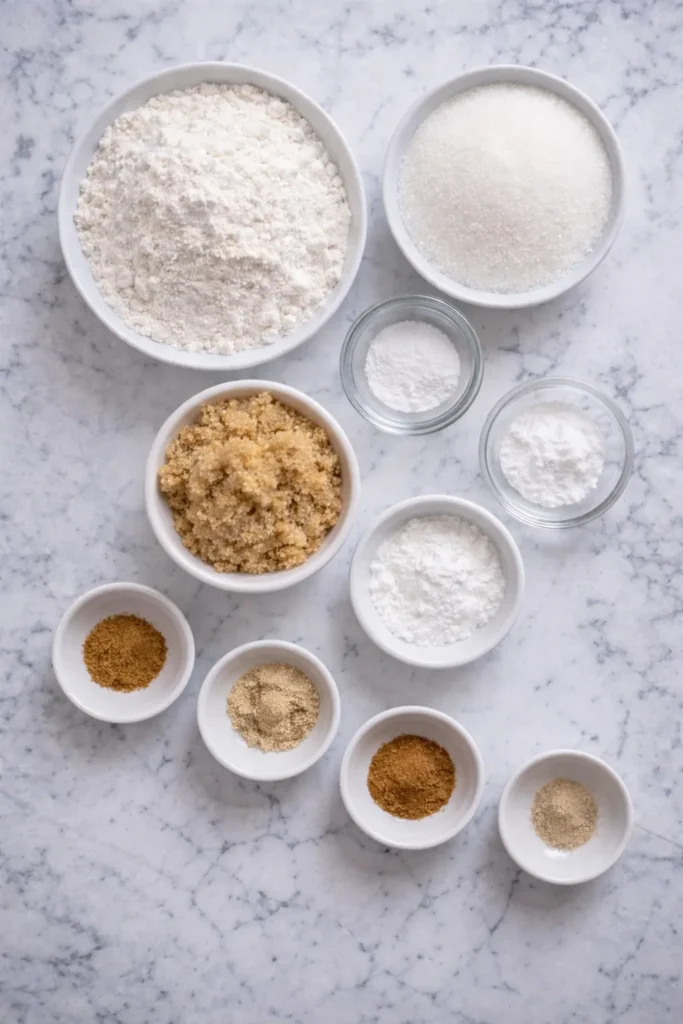
Ingredients That Make Or Break A Carrot Cake Recipe
Let’s talk ingredients like we’re gossiping, because we kind of are. In this carrot cake recipe, every item has a job. Some jobs matter more than others. Flour builds structure. Sugar sweetens and helps browning. Eggs bind and lift. Oil keeps the crumb moist for days. Spices carry most of the flavor. Carrots add moisture and texture. Salt prevents sweet cardboard.
Use this for one 9×13 cake, or two 8-inch rounds.
Dry ingredients
- 2 1/2 cups all-purpose flour, spooned and leveled.
- 2 cups granulated sugar.
- 1/2 cup light brown sugar, packed.
- 2 teaspoons baking soda.
- 1 teaspoon baking powder.
- 1 1/2 teaspoons fine salt.
- 2 teaspoons ground cinnamon.
- 1 teaspoon ground ginger.
- 1/4 teaspoon ground nutmeg.
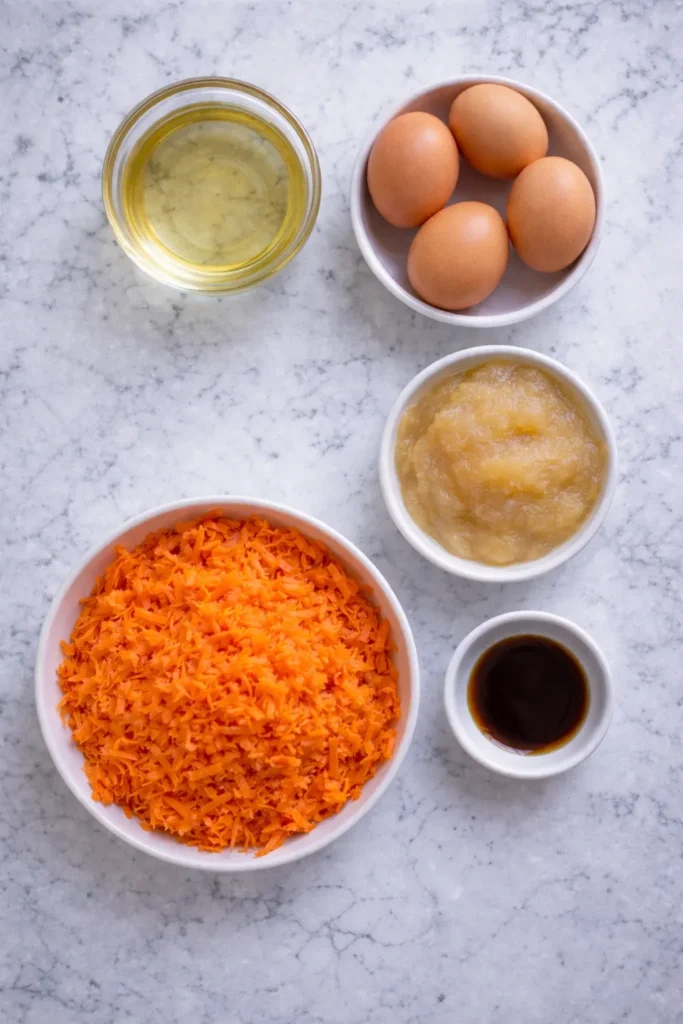
Wet ingredients
- 1 cup neutral oil.
- 4 large eggs.
- 1 tablespoon vanilla extract.
- 1/2 cup unsweetened applesauce.
- 3 cups finely grated carrots, about 4 to 5 medium carrots.
Optional add-ins
- 1 cup chopped pecans or walnuts.
- 1/2 cup raisins.
- 1/2 cup crushed pineapple, drained very well.
Here’s the opinionated part. I’ve found applesauce gives moisture without making the cake greasy. It also helps the crumb stay plush. Meanwhile, too much pineapple can sink the center. So if you use it, drain it hard. Also, pre-shredded bag carrots taste flat. They’re dry and thick. Fresh carrots grate finer and disappear better.
One more thing. Big carrots can taste bitter. Small to medium carrots taste sweeter. That’s a quiet upgrade that shows up later.
Check your spices too. Old cinnamon tastes dusty. Fresh cinnamon tastes warm and clear. Also, baking soda and powder lose strength over time. Weak leavening makes a heavy cake.
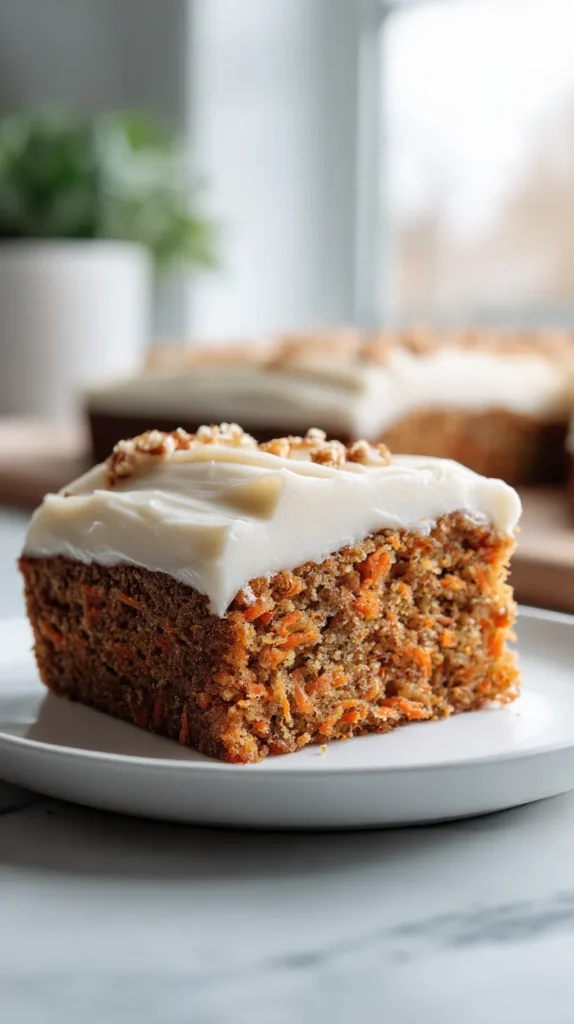
Cream Cheese Frosting That Doesn’t Slide Off
I tend to notice cream cheese frosting has two moods. One mood slices clean and looks calm. The other mood slumps and makes the cake look stressed. I want the calm mood. In this carrot cake recipe, the frosting should taste tangy, smooth, and not overly sweet. It should also hold shape on a warm counter.
Use this frosting for a 9×13, or for two 8-inch layers.
Ingredients
- 16 ounces full-fat cream cheese, cold.
- 1/2 cup unsalted butter, softened.
- 4 to 5 cups powdered sugar, sifted.
- 2 teaspoons vanilla extract.
- 1/4 teaspoon fine salt.
Now the trick is order and temperature. Beat the butter first until smooth. Add cold cream cheese next. Mix only until combined. Over-mixing warms it and turns it loose. After that, add powdered sugar in batches. Start with 4 cups, then taste. Add more only if you want it sweeter or thicker.
Here’s the contrast moment. More sugar doesn’t always mean better frosting. Too much can taste chalky. Instead, chill the finished frosting for 15 to 20 minutes. That thickens it without extra sweetness.
If your frosting still looks soft, don’t panic. I’ve found three fast fixes work:
- Chill the bowl and beaters for 10 minutes.
- Add 1/2 cup more sugar, then stop.
- Frost the cake, then chill the whole thing.
Cleaner slices show up after a short chill. Better flavor shows up after a longer rest. Also, avoid whipped tub cream cheese here. It runs softer. Use brick-style cream cheese for the best hold. Next, I’ll walk through the cake steps, and I’ll keep them simple.
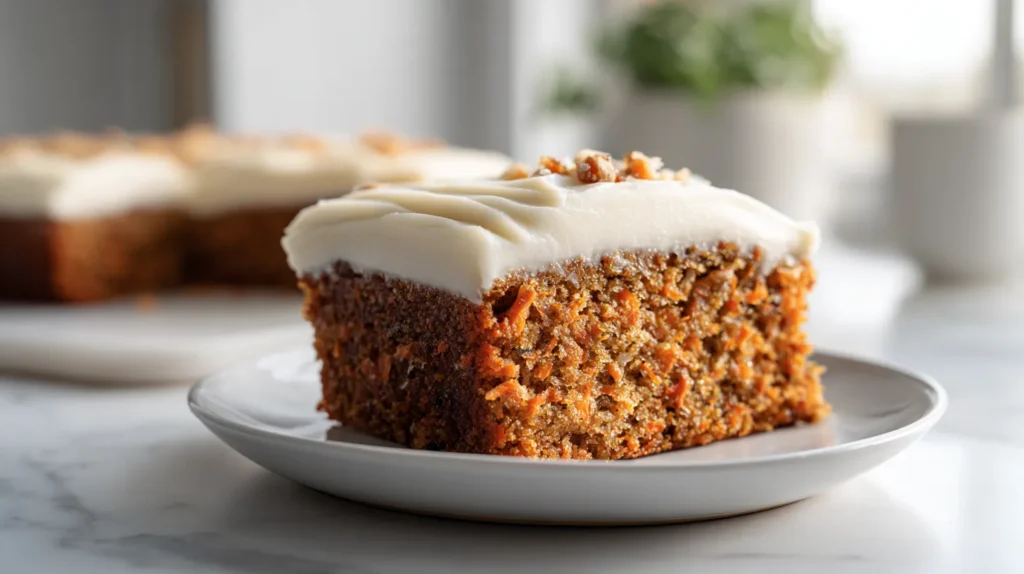
Step-By-Step Carrot Cake Recipe Without The Drama
Okay, here’s the part where people expect a lecture. I won’t do that. Instead, I’ll just share the exact order that keeps batter smooth and stress low. This carrot cake recipe behaves best when you stay calm and stop mixing early.
Prep
- Heat oven to 350°F.
- Grease a 9×13 pan, or two 8-inch rounds.
- Line round pans with parchment circles.
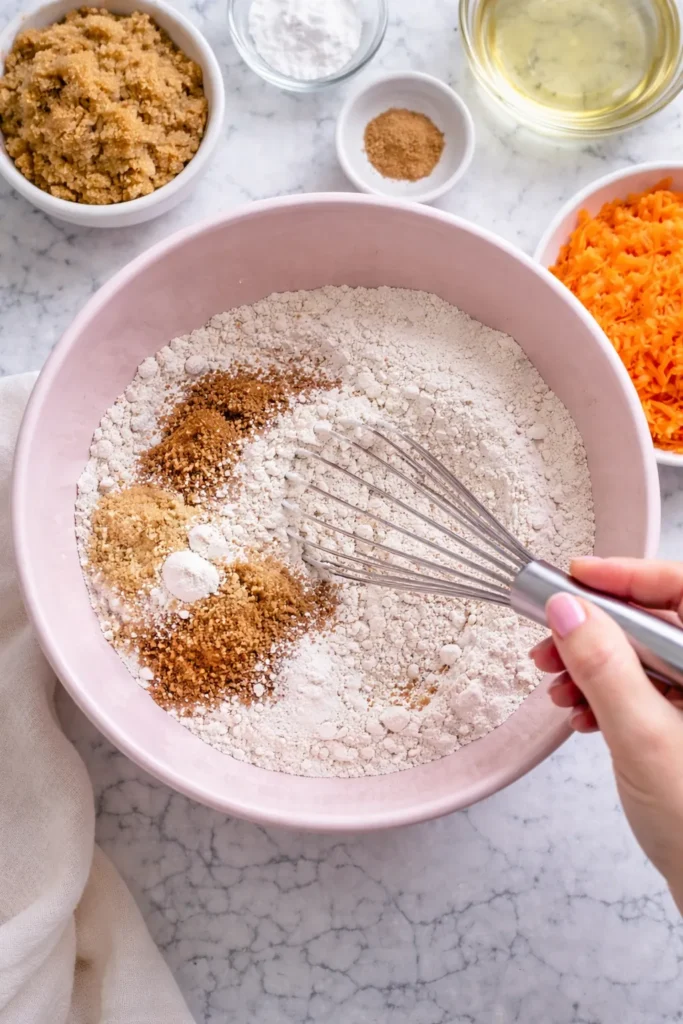
Batter
4) Whisk all dry ingredients in a large bowl.
5) Whisk all wet ingredients in a second bowl.
6) Pour wet into dry and stir with a spatula.
7) Stop when you can’t see dry flour.
8) Fold in grated carrots and any add-ins.
Bake
9) Bake 9×13 for 35 to 45 minutes.
10) Bake 8-inch rounds for 28 to 35 minutes.
11) Pull it when a toothpick shows moist crumbs.
Cool
12) Rest in the pan for 15 minutes.
13) Cool layers fully before frosting.
Here’s the surprising opinion. I’ve found people over-mix carrot cake more than chocolate cake. They chase a silky batter. You don’t need it. A few small lumps won’t hurt anything. Over-mixing will. It can make the cake dense and tough.
Another quick reset. Don’t frost warm cake. That ends badly every time. Let it cool, then frost, then chill. Next, I’ll share the tiny tips that prevent the usual disasters.
Grate the carrots before you start mixing. That keeps you from rushing later. Rotate the pan halfway through baking too. Ovens love uneven heat. Check the center, not the edge. The edge lies because it bakes faster.
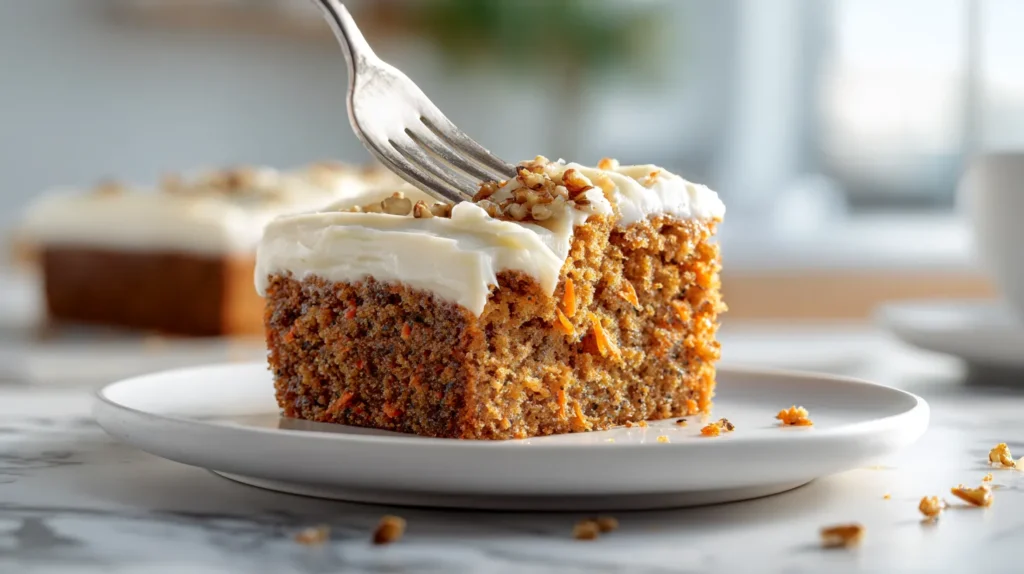
The Sneaky Tips That Keep This Carrot Cake Recipe Perfect
I’ve found carrot cake problems usually come from three things: wet carrots, heavy hands, and impatience. None of those sound like baking issues, yet they are. If you’ve ever muttered “why is this dense,” you’re not alone.
First, grate carrots fine. Thick shreds act like little sticks in the crumb. Fine shreds blend in. Also, don’t squeeze the carrots dry. You want their moisture in the cake. However, don’t let them sit in a watery pile either. Grate, then use them.
Second, measure flour with a light touch. Spoon it into the cup, then level it. Scooping packs it down and dries the cake. That’s a common assumption I love to flip. Dry cake doesn’t mean you need more oil. It often means you used too much flour.
Third, mix with a spatula, not a mixer, once flour shows up. A mixer invites over-mixing. Your wrist can stop faster than a motor. That’s why I keep this carrot cake recipe low-tech.
Here are the quick saves I rely on:
- Use room-temperature eggs for smoother batter.
- Drain pineapple until it’s almost dry, if you use it.
- Toast nuts for 6 to 8 minutes for better flavor.
- Cool layers on a rack for airflow.
- Chill frosting briefly if it turns soft.
Now for the delayed payoff I promised. Carrot size changes flavor. Big carrots can taste bitter. Smaller carrots taste sweeter. It’s subtle, but it lands in the final bite. That’s the quiet upgrade. Next, I’ll talk pans and timing, because shape changes the whole vibe.
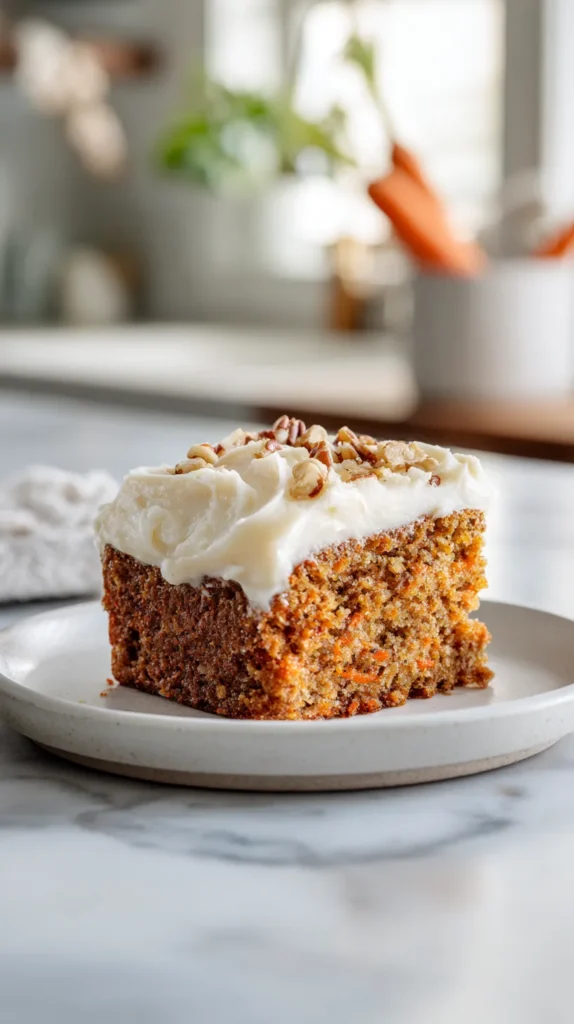
Carrot Cake Recipe Options For Pans, Layers, And Cupcakes
The same batter can act different in different pans. That’s not fair, but it’s real. I’ve found this carrot cake recipe shines in three formats. Each one has its own charm.
9×13 sheet cake
This is the low-stress option. It bakes evenly and slices fast. You can frost it in the pan and call it a day.
Two 8-inch layers
This is the party option. It looks fancy with the same effort, which is my favorite kind of fancy.
Cupcakes
This is the grab-and-go option. It also helps if you have frosting lovers, because the ratio goes up.
Bake times and notes
- 9×13: 35–45 minutes at 350°F.
- Two 8-inch rounds: 28–35 minutes at 350°F.
- Cupcakes: 18–22 minutes at 350°F.
- Fill cupcake liners about 2/3 full.
- Rotate pans halfway through baking.
If you want to make ahead, you can. Wrap cooled layers tightly and refrigerate for two days. You can also freeze layers for up to two months. Thaw overnight in the fridge. Frost the next day.
Here’s the contrast moment. Carrot cake tastes better after it rests. It’s not best right out of the oven. The spices deepen, and the crumb relaxes. That’s why this carrot cake recipe shines the next day. Next, I’ll talk about serving ideas, because toppings can change the mood.
You can also use two 9-inch rounds. They bake faster, so start checking at 25 minutes. I don’t love bundt pans for this batter. Carrots can grab and tear the crumb. Loaf pans work. Use two loaves and bake 45 to 55 minutes. Check with a skewer. Moist crumbs mean done. Wet batter means wait.
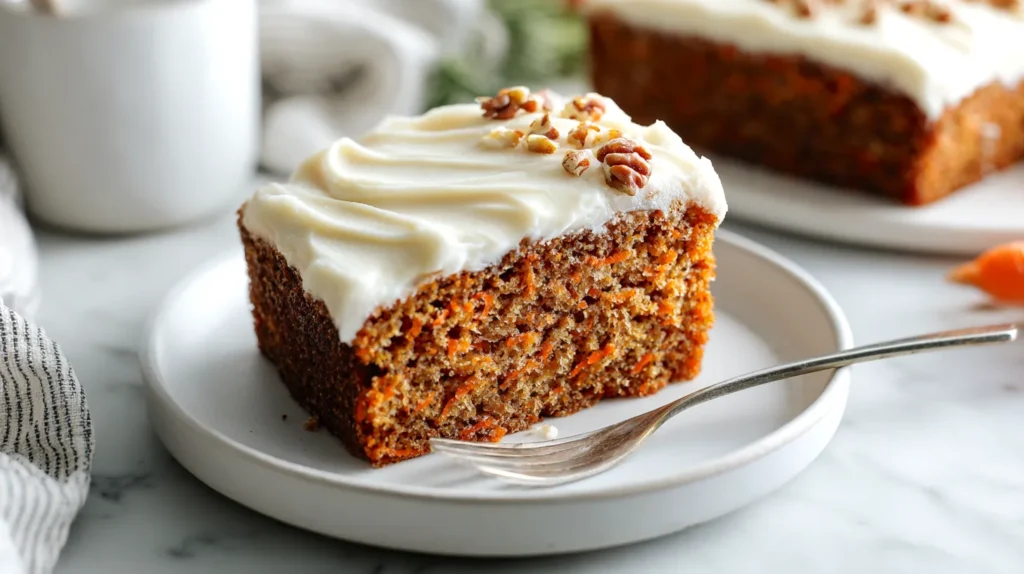
Serving Ideas That Make This Carrot Cake Recipe Look Expensive
I’ve found people eat with their eyes first, and then their opinions show up. So yes, presentation matters, even if you act casual. This carrot cake recipe can look simple or special, depending on what you do after frosting.
Here are my favorite serving moves:
- Sprinkle toasted chopped nuts around the edges.
- Add thin carrot ribbons on top for a clean look.
- Dust the top lightly with cinnamon for warmth.
- Pipe frosting swirls for bakery energy.
- Add a tiny pinch of flaky salt on each slice.
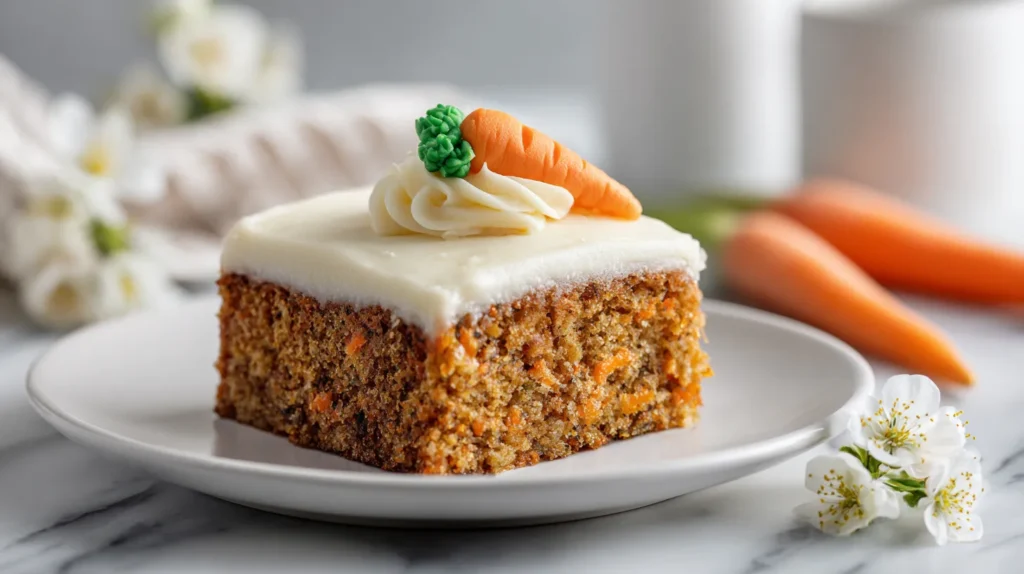
That last one sounds odd. It works. Salt pulls the tang forward and keeps sugar polite.
If you want a full dessert plate, pair it with something crisp. Fresh berries work. Thin apple slices work. A few orange segments work too. I live in Orlando, so citrus always sneaks into my plans.
Now, let’s talk drinks, because nobody mentions drinks enough. Coffee is the obvious choice. Chai works if you want extra spice. Milk works if you want comfort. Lightly sweet iced tea gives a clean finish.
Here’s the reframe. People assume carrot cake needs heavy toppings. It doesn’t. Too many extras can bury the spice and tang. I tend to notice simple plates make the flavor pop more.
One more move: slice the cake, then chill slices for 20 minutes. The frosting firms up, and the cake cuts cleaner. It also tastes richer. Next, I’ll hit the FAQs, because questions always show up.
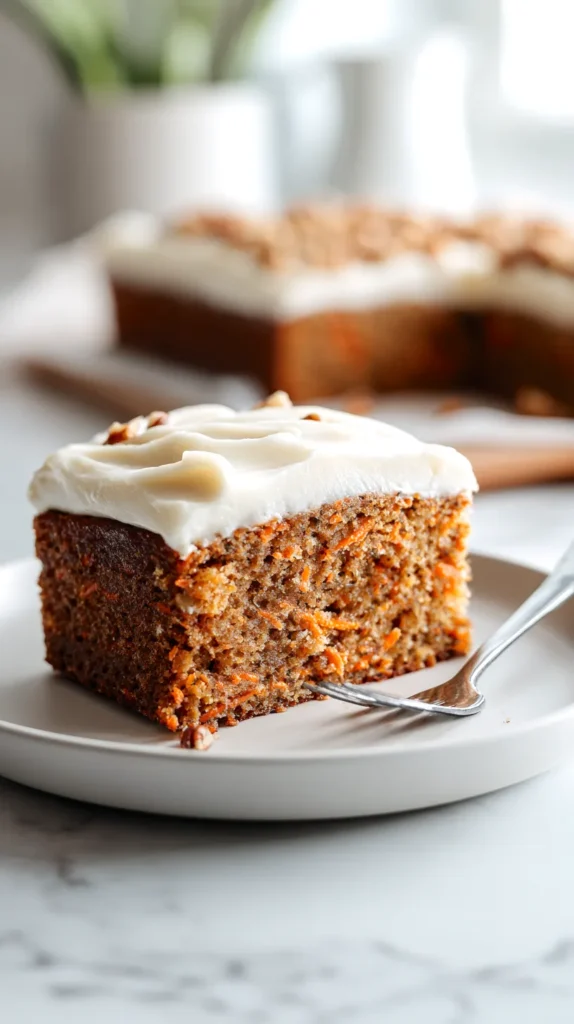
Serve it cool, not ice-cold. Warm can soften frosting. I’ve found that room temp after a short sit tastes best. If you add nuts, add them right before serving. They stay crunchy that way. This carrot cake recipe looks bakery-level with that timing.
Carrot Cake Recipe FAQs That People Whisper About
I’ve noticed people ask the same carrot cake questions like they’re confessing something. It’s adorable. So let’s answer them plainly, without the weird guilt.
Can I use butter instead of oil?
You can, but I don’t recommend it here. Oil keeps the crumb moist longer. Butter can dry out faster.
Do I need a mixer?
No. I use a whisk for wet and a spatula for combining. A mixer makes over-mixing too easy.
Can I make it less sweet?
Yes. Reduce granulated sugar by 1/4 cup. Keep brown sugar for moisture and flavor.
Why did my cake sink?
You likely used too much pineapple, or the center stayed underbaked. Expired leavening can also do it.
Can I use whole wheat flour?
You can swap in up to 1 cup. More than that can turn it heavy.
How do I store it?
Store frosted cake covered in the fridge for up to five days. Let slices sit 10 minutes before serving.
Can I freeze it?
Yes. Freeze unfrosted layers wrapped tightly for up to two months. Thaw overnight in the fridge.
Now for a tiny truth. A carrot cake recipe doesn’t need to be complicated to taste bakery-good. Balance matters. Moisture matters without greasiness. Spice matters without harshness. Frosting needs to behave.
Here’s the delayed payoff. If your frosting tastes too sweet, add a pinch more salt. People think they need more vanilla. They often need salt. Next, I’ll land this with final thoughts. Also, grate carrots fine for even baking. Cake flour works too, but the crumb turns softer and more delicate.
Carrot Cake Recipe
Ingredients
Method
- Heat oven to 350°F.
- Grease a 9×13 pan, or two 8-inch round pans.
- If using round pans, line them with parchment circles.
- Whisk all dry ingredients in a large bowl.
- Whisk all wet ingredients in a second bowl.
- Pour the wet mixture into the dry mixture.
- Stir with a spatula just until you can’t see dry flour.
- Fold in the grated carrots.
- Fold in any optional add-ins, if using.
- Pour the batter into the prepared pan or pans.
- Bake a 9×13 cake for 35 to 45 minutes.
- Bake two 8-inch rounds for 28 to 35 minutes.
- Remove from the oven when a toothpick inserted in the center comes out with moist crumbs.
- Let the cake rest in the pan for 15 minutes.
- Cool completely before frosting.
- Beat the butter until smooth.
- Add the cold cream cheese and mix only until combined.
- Add powdered sugar in batches until smooth, starting with 4 cups.
- Add the vanilla extract and salt and mix until combined.
- Taste and add up to 1 more cup powdered sugar if needed for sweetness or thickness.
- Chill the frosting for 15 to 20 minutes if it feels soft.
- Frost the completely cooled cake.
- Chill the frosted cake briefly for cleaner slices.
Tried this recipe?
Let us know how it was!
Last Few Delicious Thoughts
I’ve found baking can make my day sharper. It gives my brain one clear job. Plus, it gives my hands something useful to do. It also gives me a reason to stop scrolling and actually make something. That matters to me, especially on busy weeks.
This carrot cake recipe fits that mood, because it isn’t fussy. It asks for simple ingredients and steady timing. Then it rewards you with a cake that tastes confident, not complicated. Some desserts try to impress with drama. This one impresses with consistency.
Living in Orlando, I see extra desserts everywhere. I also watch people get tired of them fast. Carrot cake stays steady when trends rotate. It tastes familiar, yet it still surprises. That combo keeps it on repeat for a reason.
If you post your slice on Pinterest, nobody will guess how straightforward it was. They’ll assume you worked hard. You can smile and keep that detail private. Meanwhile, you’ll know the truth. I tend to notice carrot cake slices better on day two. The fridge does something helpful to the crumb. Those spices settle and taste deeper. That’s when people go back for a second piece.
So yes, bake it for a birthday. Bake it for a Tuesday. Or bake it because cream cheese frosting exists and life stays busy. Then take your first bite and let the spice land. That’s the knowing nod.