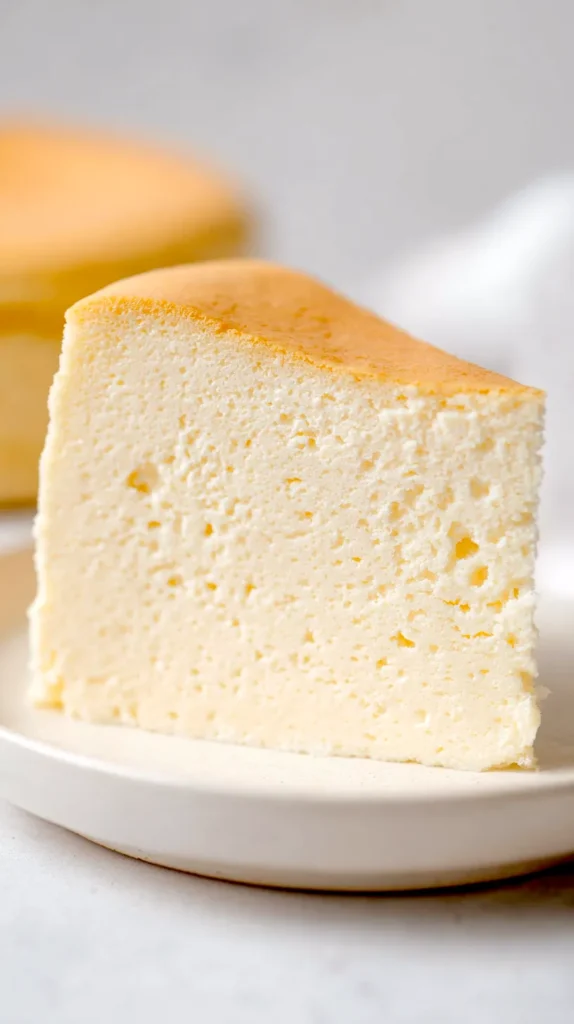
I’ve noticed that some desserts earn loyalty without trying to impress anyone. Japanese cotton cheesecake sits firmly in that camp. It doesn’t rely on height, heavy sugar, or dramatic toppings. Instead, it leans into balance, restraint, and a texture that surprises people quietly. I tend to notice that many women expect cheesecake to hit hard and linger too long. This one doesn’t behave that way. It stays light, soft, and satisfying without demanding a long recovery afterward. That contrast alone makes it worth paying attention to.
What pulls me in is how Japanese cotton cheesecake manages to feel special without turning baking into a production. I’ve found that it works for casual afternoons, brunch tables, and low-key dinners alike. That range matters. Some desserts only make sense on holidays. Others slide into everyday life more naturally. This one fits both spaces. It delivers cheesecake flavor without asking for cheesecake-level commitment, which feels like a fair trade.
Living in Orlando has changed how I approach desserts more than I expected. Heavy, dense sweets lose appeal fast when warm weather sticks around most of the year. Lighter options earn repeat requests instead. This cheesecake fits that rhythm well. It pairs easily with coffee, fruit, or nothing extra at all. That simplicity keeps it relevant. Sometimes, less effort creates better results (which still surprises me).
I also appreciate that this recipe doesn’t require specialty tools or hard-to-find ingredients. Everything stays familiar and accessible. The process stays manageable. The finished product looks polished without being too fancy. That balance makes this recipe one I make often. When baking feels calm instead of chaotic, I’m far more likely to do it again.
Some of the links on this page are affiliate links, which means I may earn a small commission if you purchase through them. It never costs you extra. You can always peek at my full disclosure if you’d like the details.
Why Japanese Cotton Cheesecake Deserves A Spot In Your Rotation
I’ve found that people underestimate desserts that look simple. Japanese cotton cheesecake often surprises first-time bakers for that reason. It doesn’t rely on toppings or thick crusts. The focus stays on texture and balance. That approach keeps it appealing across ages and preferences. Some desserts polarize a room. This one rarely does.
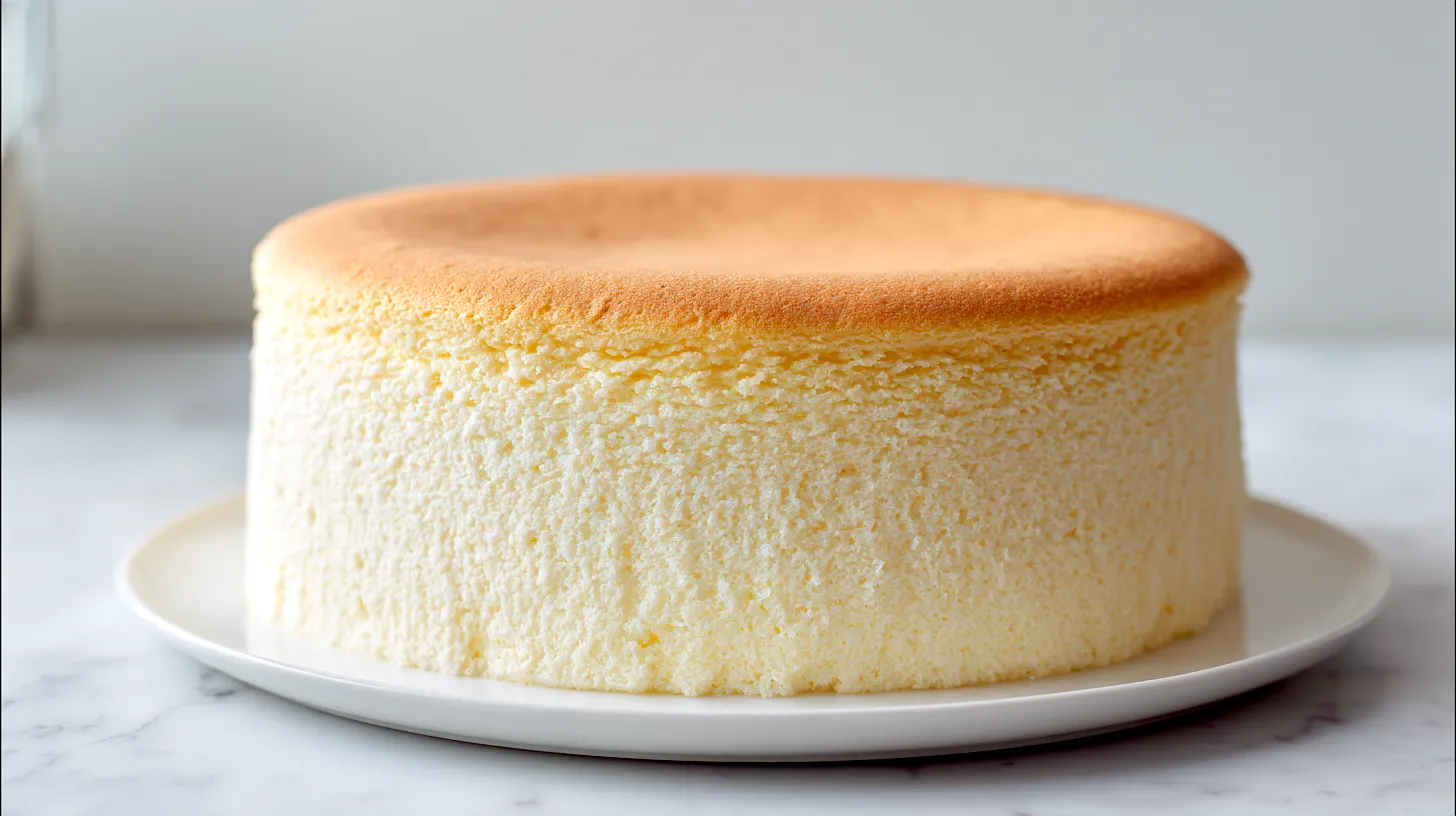
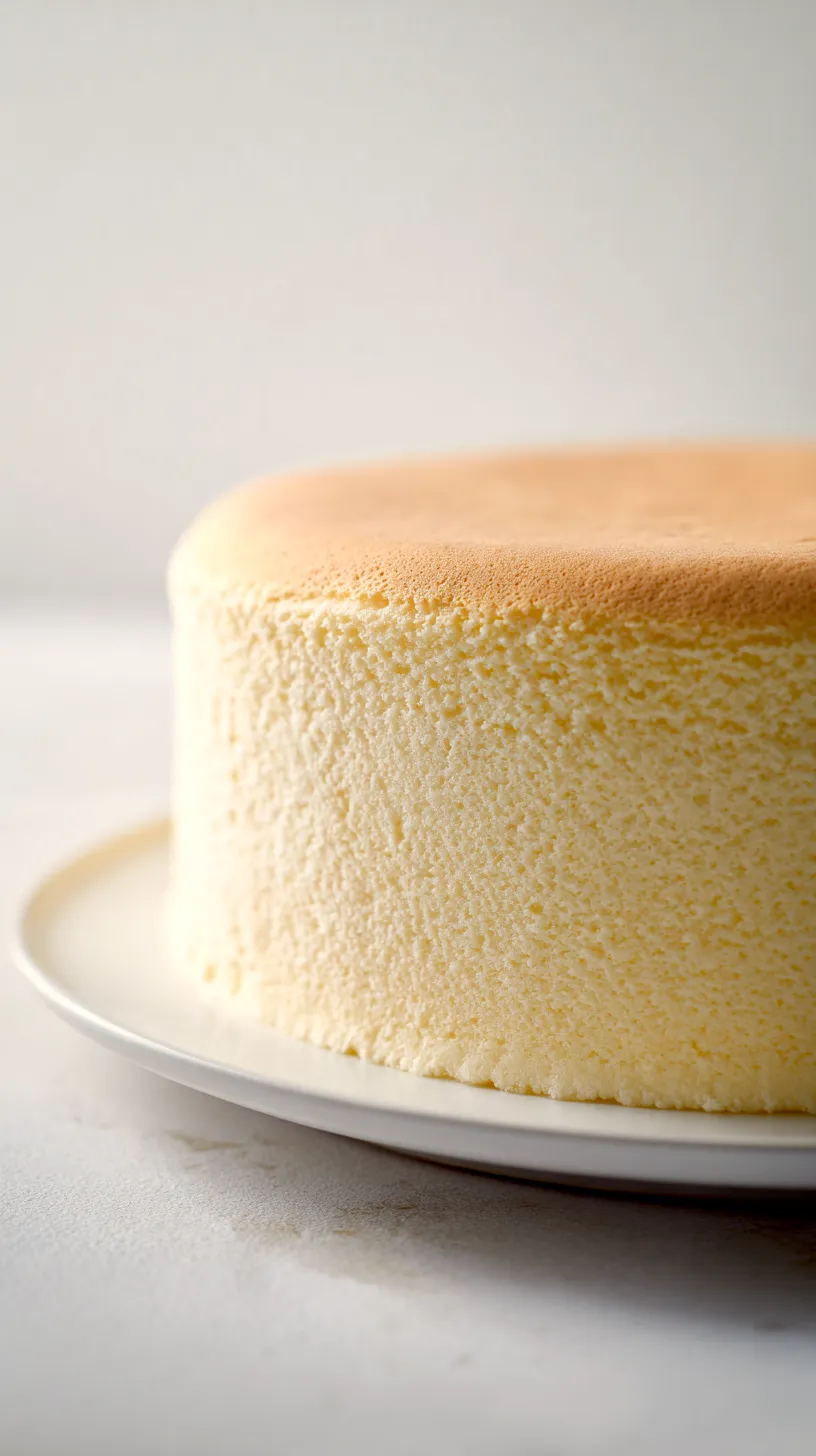
What stands out is the structure. The cheesecake uses whipped egg whites to create lift, which keeps each bite light. That method gives it a cake-like crumb without losing cheesecake flavor. It’s a smart balance. I tend to notice that many baked desserts lean too far in one direction. This one stays centered. That restraint works in its favor.
Another reason this cheesecake earns a spot is portion comfort. You don’t need a large slice to feel satisfied. That matters for gatherings. Smaller slices stretch farther and still please. It also makes leftovers more appealing, which is not always true with dense desserts. Texture holds better here.
Here’s why it works so well in everyday baking:
- Ingredients stay simple and accessible.
- Texture appeals to kids and adults alike.
- Sweetness stays mild and controlled.
- The bake works without fancy tools.
- The presentation looks sharp and effortless!
Japanese cotton cheesecake also adapts well to small changes. Citrus zest works nicely. A light dusting of sugar finishes cleanly. Fresh berries add contrast without overpowering. That flexibility keeps the recipe from getting stale. Desserts that let you make small changes without breaking the structure are my favorite.
This cheesecake makes sense for anyone who wants something calm, not flashy. I’ve found that steady steps lead to good results here. Small mistakes don’t derail the whole process. That reliability explains why so many bakers come back to it again.
Ingredients For A Japanese Cotton Cheesecake That Work
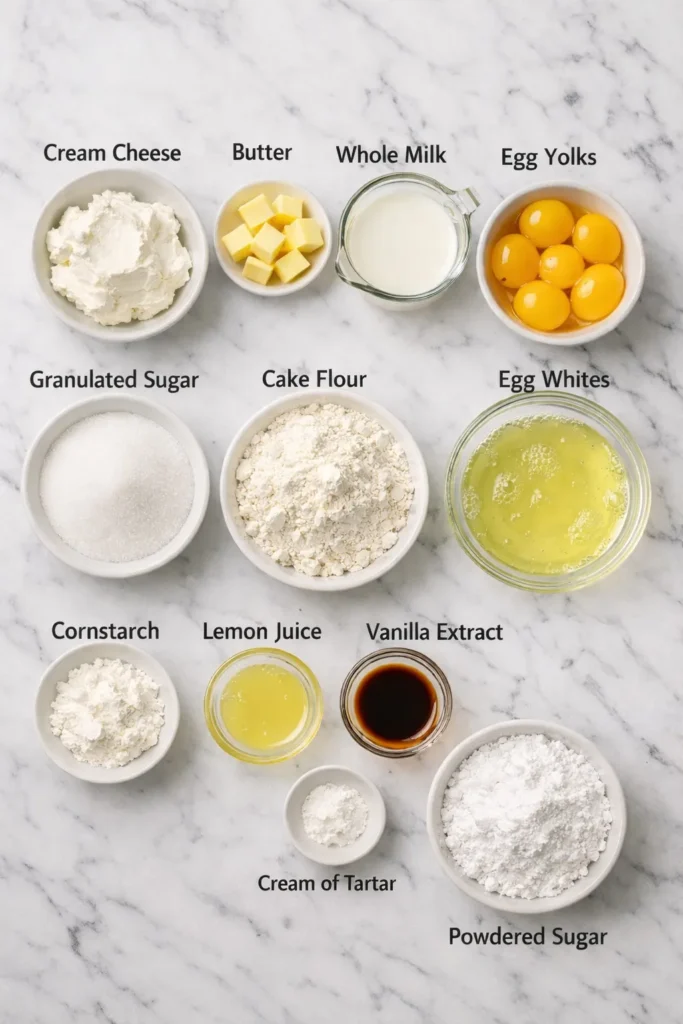
I’ve noticed that ingredient lists can intimidate people before baking even begins. Japanese cotton cheesecake avoids that problem. Everything here feels familiar, which lowers the barrier right away. You don’t need specialty flours or imported dairy. You need patience, clean bowls, and attention.
Pan size:
- 8-inch round cake pan
- At least 3 inches deep
- Removable bottom preferred
- Wrapped tightly for a water bath
Ingredients (for one 8-inch Japanese cotton cheesecake):
- 8 ounces cream cheese, fully softened
- 4 tablespoons unsalted butter
- ½ cup whole milk
- 6 large eggs, separated
- ¾ cup granulated sugar, divided
- ¼ cup for the yolk mixture
- ½ cup for the egg whites
- ⅔ cup cake flour
- 2 tablespoons cornstarch
- 1 tablespoon lemon juice
- 1 teaspoon vanilla extract
- ¼ teaspoon cream of tartar
- Powdered sugar, optional, for dusting
What this pan + ratio gives you:
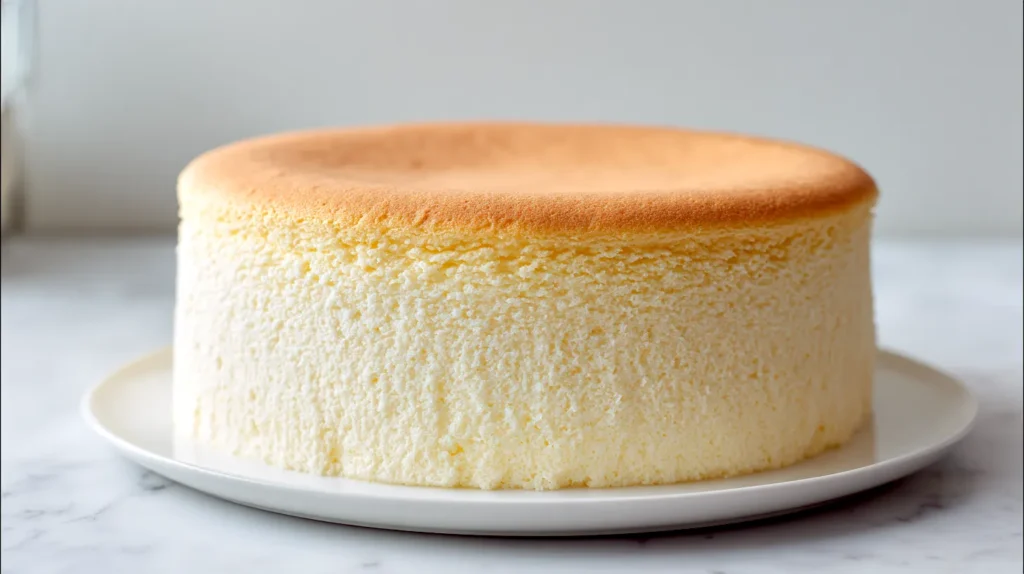
- Tall but controlled rise
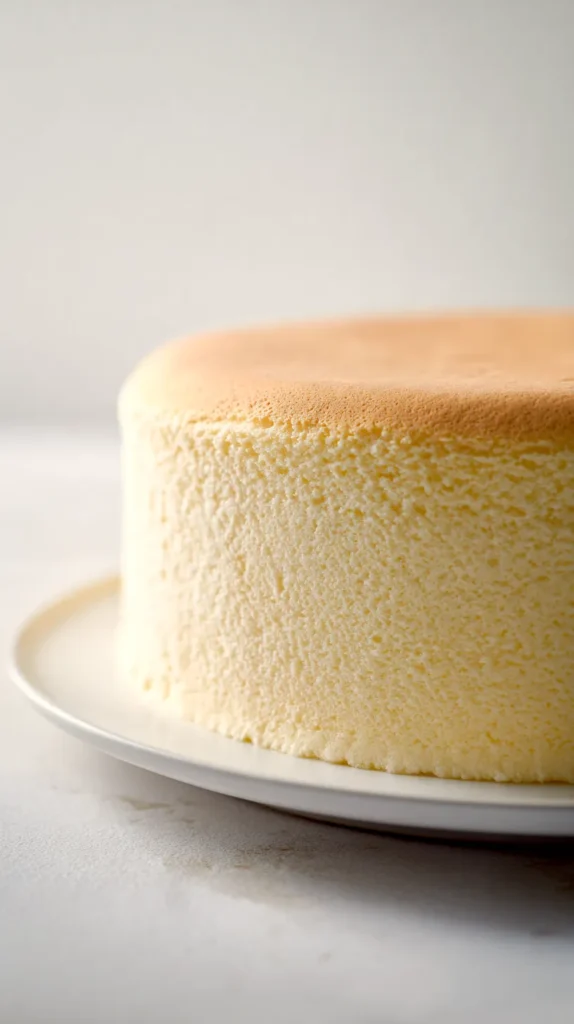
- Fine, even crumb (not custard-like)
- Soft interior that slices cleanly
- Light golden top without collapse
Each ingredient plays a clear role. Cream cheese provides richness without heaviness. Butter adds structure and smoothness. Milk loosens the base so it blends evenly. Egg yolks enrich the batter. Egg whites provide lift. Sugar balances flavor without dominating. Flour and cornstarch stabilize the structure gently.
I’ve found that cake flour works best here. It keeps the crumb tender. All-purpose flour can work, but texture shifts slightly. Cornstarch helps soften the bite further. Lemon juice sharpens flavor just enough to keep sweetness in check. Vanilla rounds everything out.
A few prep notes matter:
- Use room temperature ingredients.
- Separate eggs carefully.
- Measure flour precisely.
- Clean mixing bowls thoroughly.
Japanese cotton cheesecake depends on balance more than force. Rushing or skipping steps shows in texture. That doesn’t mean it’s fragile. It just responds best to calm, steady baking habits. I tend to notice better results when I slow down slightly during prep.
Once ingredients line up, the rest flows more smoothly.
Step-By-Step Method Without The Stress Spiral
I’ve found that clear steps make baking less intimidating. Japanese cotton cheesecake benefits from steady pacing rather than speed. Start by preheating the oven to 320°F. Line the bottom of an 8-inch springform pan with parchment. Wrap the outside tightly with foil for a water bath.
Next, melt cream cheese, butter, and milk together over low heat. Stir gently until smooth. Remove from heat. Add egg yolks, vanilla, and lemon juice. Mix until fully combined. Sift cake flour and cornstarch into the mixture. Stir until smooth. Set aside.
In a clean bowl, whip egg whites with cream of tartar. Add sugar gradually. Beat until soft peaks form. Avoid stiff peaks here. Soft peaks keep the batter light and flexible.
Fold one-third of the egg whites into the batter gently. This step lightens the mixture. Fold remaining whites in two additions. Use a spatula. Turn the bowl. Move slowly. Overmixing deflates the structure.
Pour batter into the prepared pan. Place the pan inside a larger roasting pan. Add hot water halfway up the sides. Bake for 25 minutes at 320°F. Lower the temperature to 285°F. Time to let it bake for another 55 minutes!
Turn the oven off. Leave the door closed for 15 minutes. Crack the door slightly. Rest for another 15 minutes. Remove cheesecake. Cool completely before unmolding.
Japanese cotton cheesecake rewards patience during cooling. Sudden temperature changes increase cracking risk. Slow cooling keeps the surface smooth and the crumb even.
Common Mistakes That Flatten Results Fast
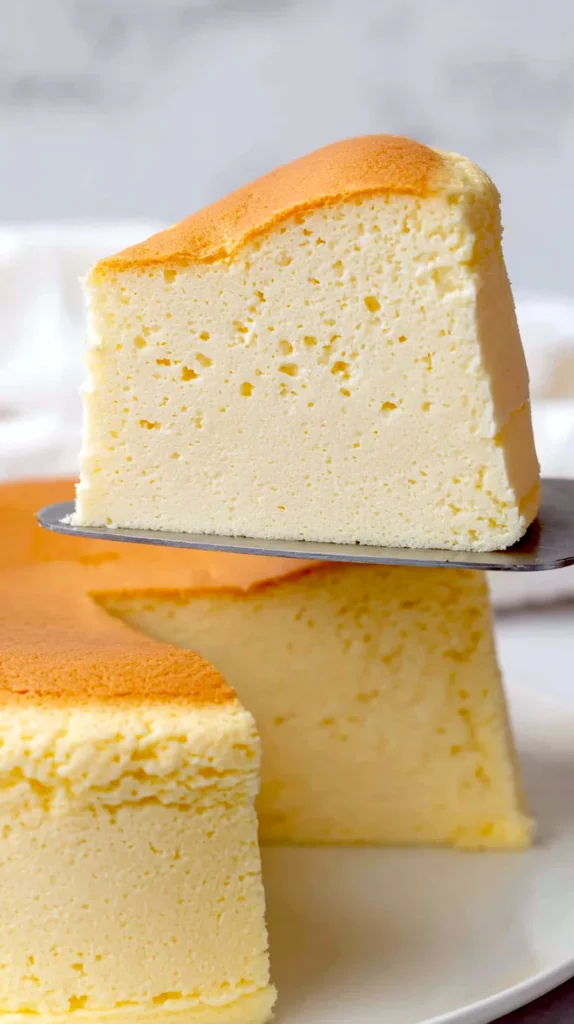
I’ve found that most problems come from moving too fast. Japanese cotton cheesecake rewards patience more than confidence. Rushing early steps usually shows up later. Overbeating egg whites causes collapse during baking. Underbeating removes needed lift. Folding with too much force pushes out air. Each mistake stacks quietly, then shows up all at once.
Timing mistakes also matter more than people expect. Opening the oven early releases heat and steam. Skipping the water bath removes temperature stability. Using cold ingredients interrupts smooth blending. Measuring flour loosely adds density. Cooling too quickly increases cracking risk. None of these errors ruin flavor, yet texture suffers quickly.
I tend to notice smoother tops when bakers leave the oven alone. That restraint helps more than extra tricks. Structure depends on steady heat and gradual changes. Sudden shifts create uneven results. Gentle consistency wins here every time.
Pan prep creates another common issue. Loose foil allows water seepage during baking. Water contact weakens the batter structure. Tight wrapping prevents that frustration. Oven accuracy matters too, especially with lower temperatures. An inexpensive thermometer solves guesswork fast.
Here’s a short checklist that helps:
- Use room-temperature ingredients.
- Beat whites to soft peaks only.
- Fold slowly with a spatula.
- Wrap pans tightly before baking.
- Cool gradually inside the oven.
Japanese cotton cheesecake becomes predictable once these habits stick. Confidence grows when results repeat reliably. That reliability removes stress from future bakes. I’ve found that calm techniques matter more than skill level. Once the rhythm clicks, the process stops feeling fragile. At that point, baking becomes enjoyable again (which always helps).
Simple Serving Ideas for Japanese Cotton Cheesecake
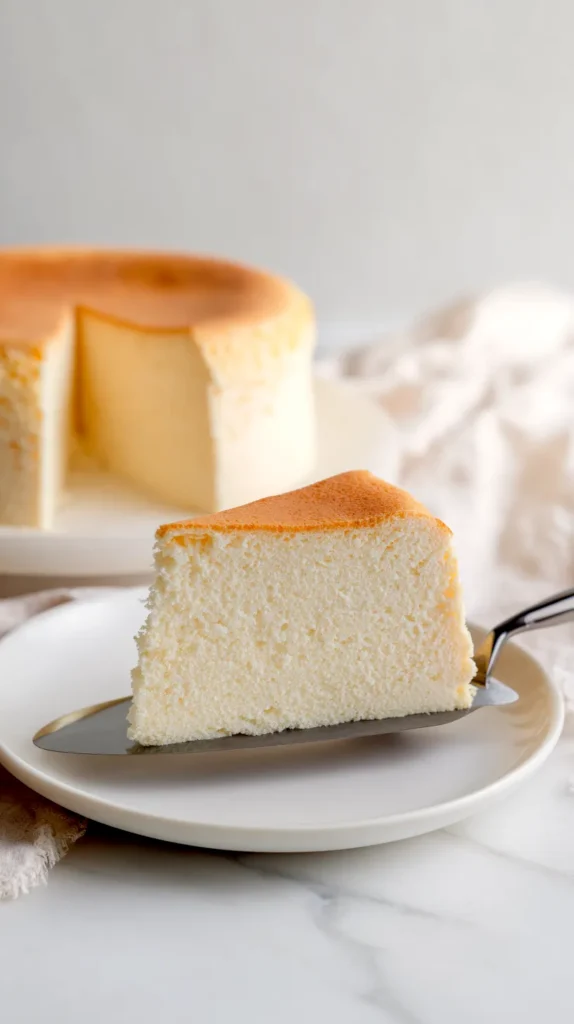
I’ve found that restraint works best when serving this dessert. Japanese cotton cheesecake doesn’t need layers of extras to make sense. Heavy toppings distract instead of enhance. A light approach keeps the texture front and center. That choice usually surprises guests, in a good way.
Powdered sugar offers a clean finish without stealing attention. Fresh berries add contrast without overpowering anything. Whipped cream works well when used sparingly. I tend to notice that less garnish leads to more appreciation. Too many additions muddy the experience. Simplicity keeps the focus where it belongs.
Here are serving ideas that stay balanced:
- Plain slices with hot coffee
- Fresh fruit placed beside, not on top
- A light citrus zest sprinkle
- Brunch-style plating with small portions
- Afternoon tea servings with smaller forks
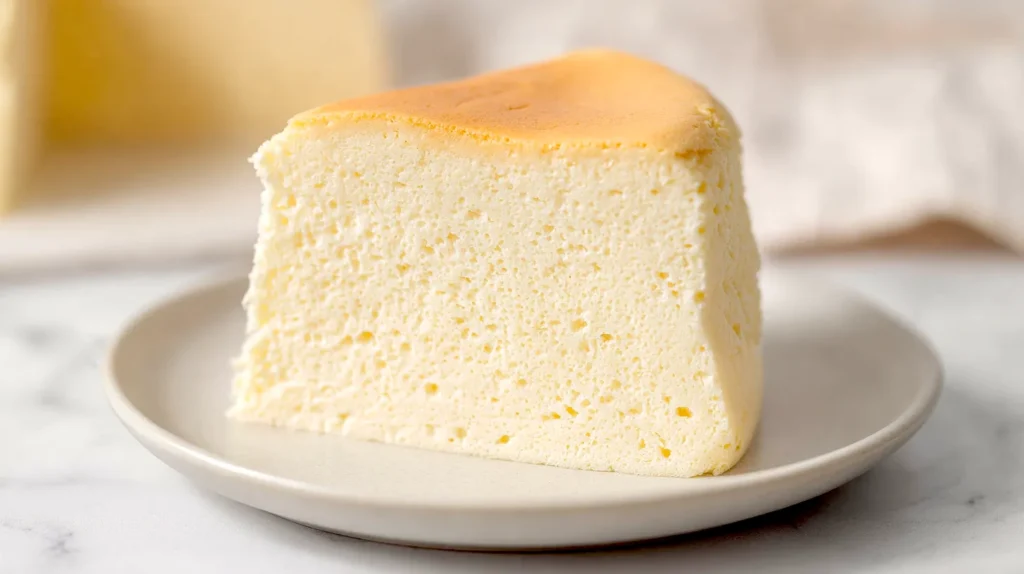
Japanese cotton cheesecake slices best when slightly chilled. That temperature supports cleaner edges. A sharp knife improves presentation quickly. I always wipe the blade between cuts (annoying, but helpful). Clean slices photograph better and plate more neatly.
Portion size matters more than people expect. Smaller slices suit this dessert better. They highlight texture without overwhelming the plate. Larger portions shift attention toward heaviness, which misses the point. Moderation supports the overall experience.
I’ve found that serving timing also helps. Letting slices sit briefly at room temperature softens the texture gently. However, full warming isn’t necessary. Slight chill keeps structure intact. That balance keeps each bite consistent.
Presentation doesn’t require fuss. White plates work well. Neutral backgrounds help color stand out. Simple plating allows the cheesecake to speak quietly. In the end, confidence shows through simplicity. When the dessert stays understated, it usually earns more compliments.
Storage And Make-Ahead Notes
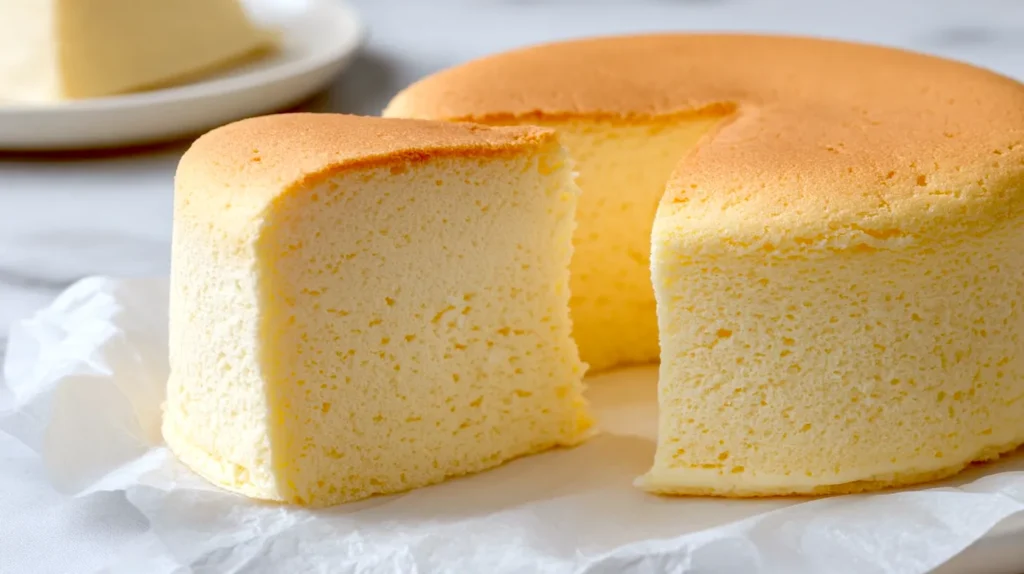
I tend to notice that texture improves after a full overnight rest. Japanese cotton cheesecake benefits from time in the refrigerator. Cooling allows structure to settle without drying anything out. For best results, let the cheesecake cool completely before wrapping. Warm storage traps moisture, which causes surface issues later. Once cooled, wrap the pan tightly using plastic wrap or foil. Air exposure changes texture faster than expected.
Refrigeration works well for up to three days. Beyond that window, softness starts to fade. I’ve found that flavor holds steady during that time, which helps with planning. Make-ahead baking removes pressure from serving day. That convenience matters, especially when schedules stay full. However, freezing causes problems here. Ice crystals disrupt structure and moisture balance. Thawed slices lose their original lightness quickly. Because of that, freezing isn’t worth the tradeoff.
Serving temperature also plays a role. Straight-from-the-fridge slices taste firmer than intended. Letting portions rest briefly at room temperature improves texture. Ten to fifteen minutes usually does the trick. That short wait restores softness without compromising shape. However, full warming isn’t necessary. Slight chill keeps edges clean and slices neat.
I’ve also noticed cleaner cuts after chilling. A sharp knife helps with presentation. Wiping the blade between slices keeps edges smooth (a small step that pays off). When stored properly, Japanese cotton cheesecake maintains consistency from first slice to last. That reliability makes it easier to plan ahead confidently.
Overall, this dessert rewards simple handling. Careful storage preserves texture. Gentle temperature changes protect structure. When treated calmly, the cheesecake holds up beautifully. That predictability makes it a strong option for advance baking, which always feels like a quiet win.
Japanese Cotton Cheesecake
Ingredients
Equipment
Method
- Preheat the oven to 320°F and position a rack in the center of the oven.
- Wrap the outside of an 8-inch round cake pan tightly with two layers of foil to prevent leaks and set it aside.
- Bring a kettle of water to a simmer for the water bath.
- In a heatproof bowl, combine the cream cheese, butter, and milk.
- Place the bowl over a saucepan of gently simmering water and whisk until completely smooth and melted.
- Remove the bowl from heat and let the mixture cool slightly.
- Whisk in the egg yolks one at a time until fully incorporated.
- Add the lemon juice and vanilla extract and mix until smooth.
- Sift the cake flour and cornstarch directly into the bowl.
- Whisk gently until the batter is smooth and free of lumps.
- In a separate clean bowl, beat the egg whites on medium speed until foamy.
- Add the cream of tartar and continue beating until soft peaks form.
- Gradually add the granulated sugar while beating, then increase speed and beat until glossy medium peaks form.
- Add one third of the egg white mixture to the batter and gently fold to lighten it.
- Add the remaining egg whites in two additions, folding carefully to preserve the air.
- Pour the batter into the prepared cake pan and gently tap the pan on the counter to release large air bubbles.
- Place the pan into a larger roasting pan and pour hot water into the roasting pan until it reaches halfway up the sides of the cake pan.
- Bake at 320°F for 25 minutes.
- Reduce the oven temperature to 285°F and continue baking for 45 minutes.
- Turn off the oven and leave the cake inside with the door slightly open for 15 minutes.
- Remove the cake from the oven and allow it to cool completely in the pan.
- Once cooled, remove the cake from the pan and transfer to a serving plate.
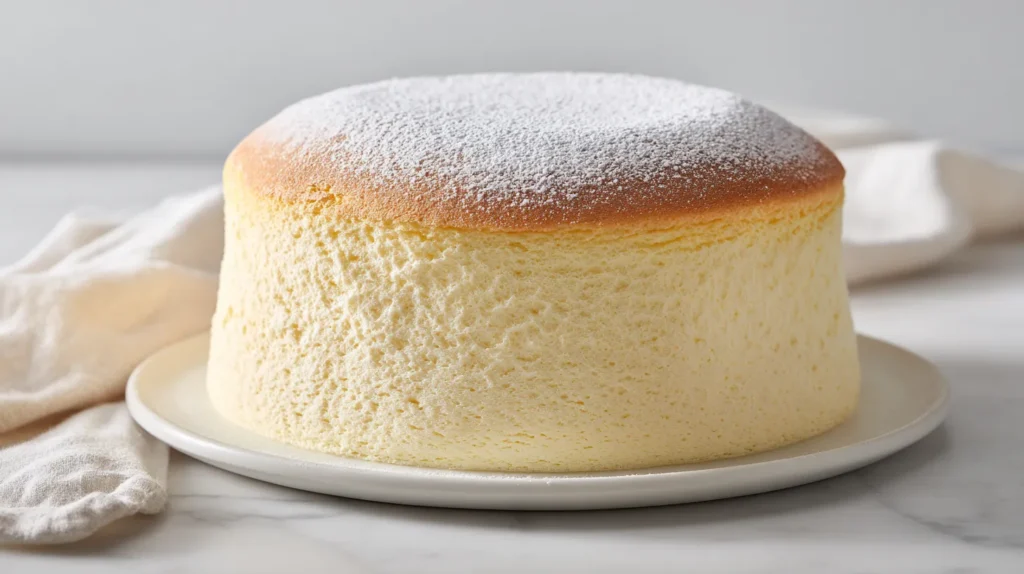
- Dust lightly with powdered sugar if desired before slicing.
Tried this recipe?
Let us know how it was!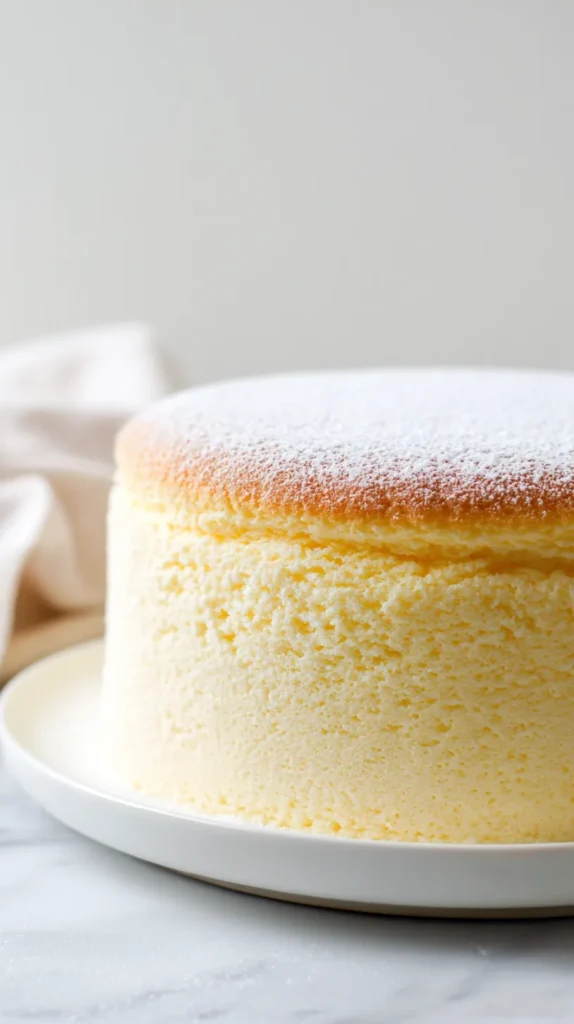
Last Ideas
I keep recipes around that work with my real days, not against them. Japanese cotton cheesecake fits that mindset well. It doesn’t ask for extra effort or perfect timing. I’ve found that baking stays more enjoyable when results stay predictable. This recipe gives me that comfort without boredom.
Over time, I’ve noticed lighter desserts get requested more often. That trend makes sense. Heavy sweets ask for planning and recovery. This one fits into normal moments more easily. It works for brunch, casual dinners, or quiet afternoons. That flexibility keeps it useful.
Living in Orlando affects dessert choices more than I expected. Warm weather doesn’t pair well with dense endings. This cheesecake makes sense year-round here. It works with morning coffee or relaxed evenings. That range matters when seasons blur together.
I also like how clean this recipe looks without extra effort. Slices plate neatly without heavy styling. That simplicity helps when sharing ideas on Pinterest. Clear photos and simple finishes usually land better anyway.
What keeps me coming back is the calm process. I don’t rush steps or second-guess outcomes. Instead, I follow the rhythm and trust it. That confidence builds with repetition. Baking stops feeling stressful and starts feeling steady (which I always appreciate).
In the end, this recipe matches how I actually bake. It respects time, energy, and simplicity. When something works this smoothly, I hold onto it. Quiet reliability always wins for me.