I don’t always crave delicate food. Some nights call for something bold, buttery, and a little dramatic. That’s when an onion boil suddenly sounds like the right kind of chaos. The name alone makes people pause. Good. It should.
Most of us treat onions like background noise. We chop them, sauté them, and move on. Meanwhile, I keep thinking, what if we stopped hiding them? What if we gave them the spotlight without dressing them up in something complicated? I’ve found that simple ingredients create the biggest reactions when you let them stand tall.
There’s tension in that simplicity. Butter. Spices. Whole onions. That’s it? That question lingers longer than it should. Because once you taste it, you realize simple doesn’t mean basic. It means intentional. It means trusting flavor instead of piling on distractions.
Living in Orlando shapes how I cook more than I admit. Heat and humidity change dinner decisions quickly. Heavy casseroles can feel like too much after a long day. However, this dish brings bold flavor without weighing anyone down. It’s rich but balanced. It’s strong without being overwhelming.
At first glance, an onion boil seems almost too straightforward. Still, that’s where the surprise hides. The layers soften slowly. The seasoning seeps in. The broth turns glossy and fragrant. Something ordinary shifts into something worth talking about.
And the best part? People never expect it to be this good.
Some of the links on this page are affiliate links, which means I may earn a small commission if you purchase through them. It never costs you extra. You can always peek at my full disclosure if you’d like the details.
Why an Onion Boil Deserves Attention
Let’s talk about the skepticism. Whole onions boiled in seasoned butter sound… intense. I get it. But intensity isn’t a bad thing. It’s a commitment. And commitment in the kitchen usually pays off.
I tend to notice that when people hear onion boil, they imagine something sharp and overpowering. That’s not what happens. Boiling whole onions softens their bite. The heat transforms them. Instead of harsh, you get sweet. Instead of sharp, you get silky.
Here’s what changes during the process:
- The natural sugars come forward.
- The layers turn tender and almost creamy.
- The outside absorbs all that seasoned butter.
- The center becomes mellow and rich.
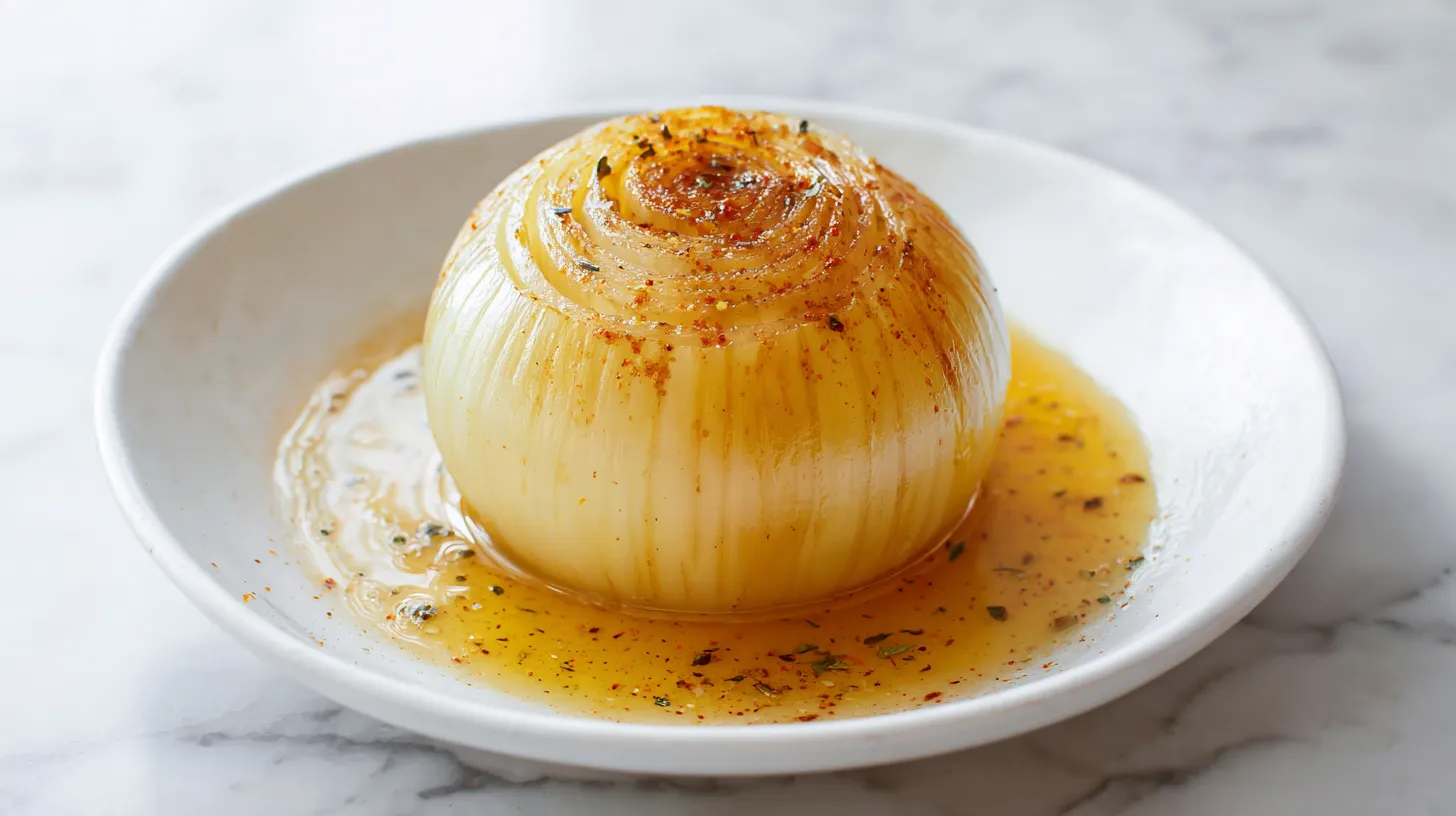
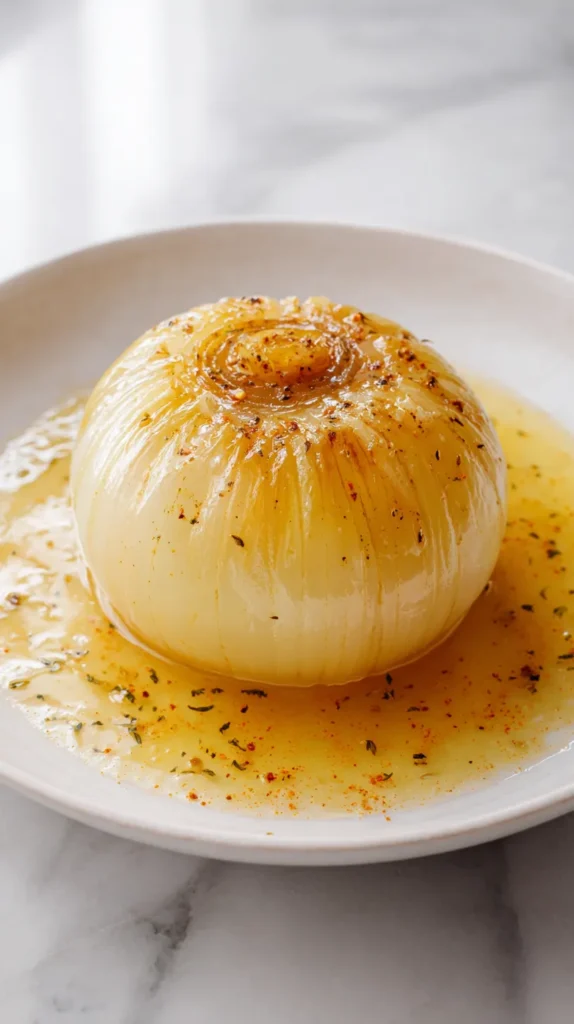
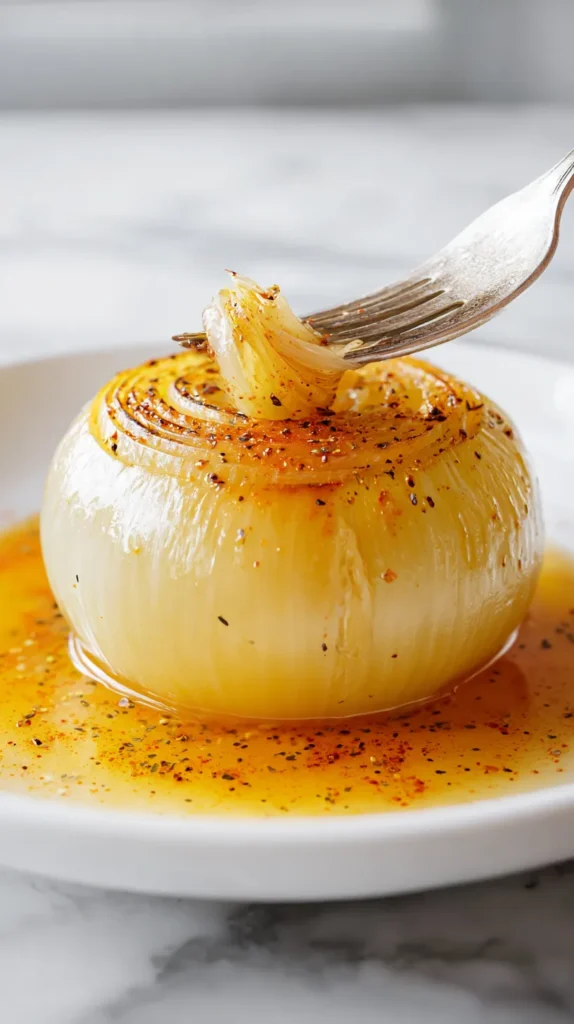
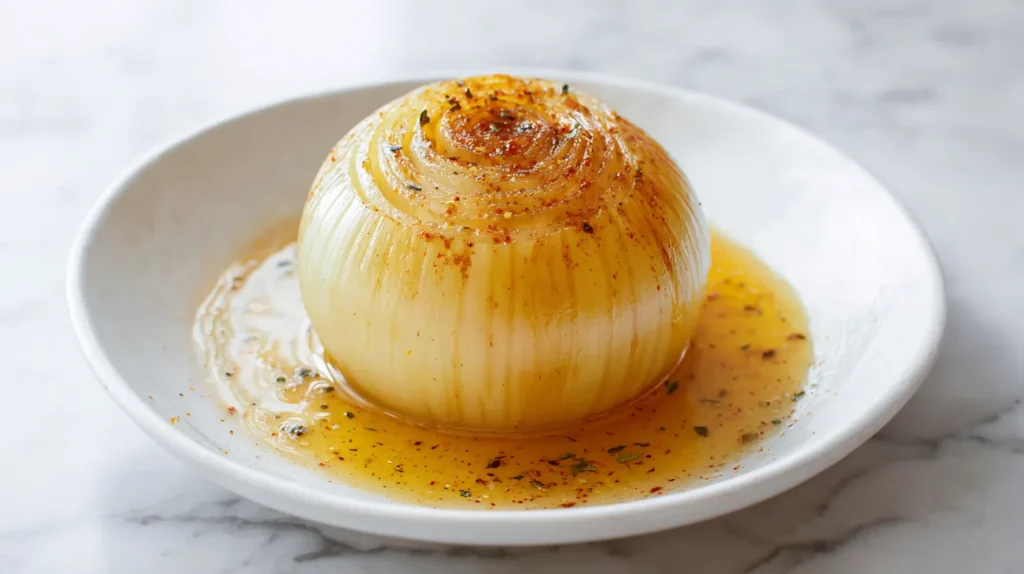
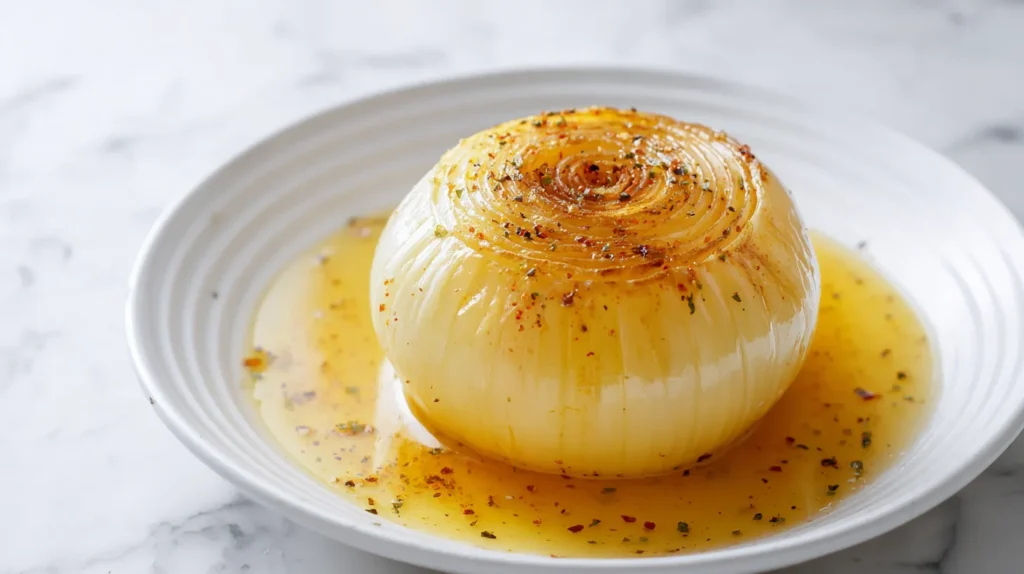
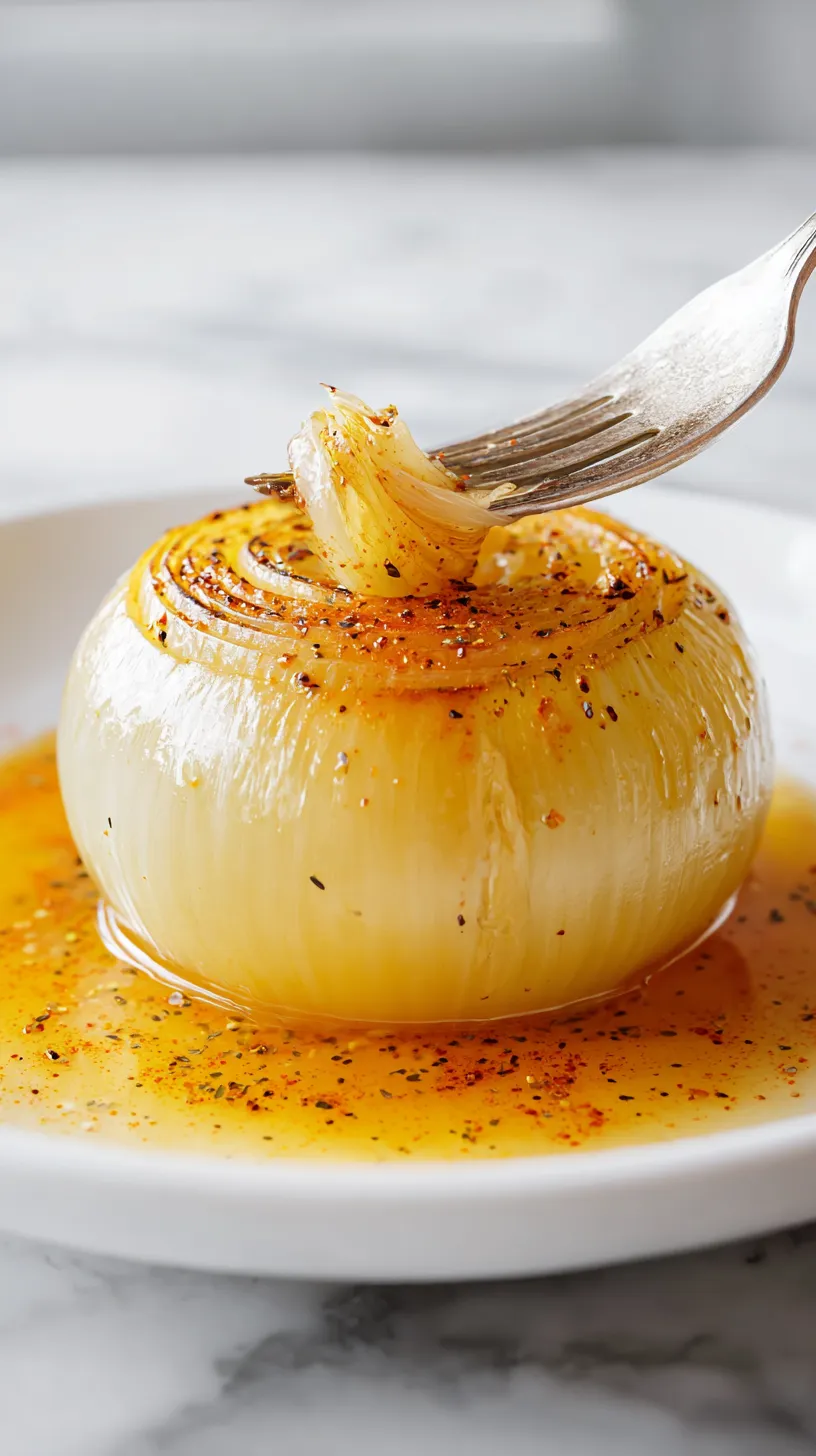
It’s not a soup, and it’s definitely not a stew. Instead, it’s a buttery, savory bundle you slice into like a baked potato, with soft layers that hold their shape.
And here’s the reframe: onions aren’t just supporting actors. They’re structured. They have layers, which means they hold flavor beautifully. When you boil them whole, you preserve that structure. That’s the magic without calling it magic.
Some people assume this is a novelty recipe. It’s not. It’s practical. Onions are cheap. They last forever in the pantry. They’re available year-round. That makes an onion boil accessible, not trendy.
Plus, there’s something deeply satisfying about serving something unexpected. Guests pause. They lean in. Then they go back for seconds.
That’s when you know you’ve won.
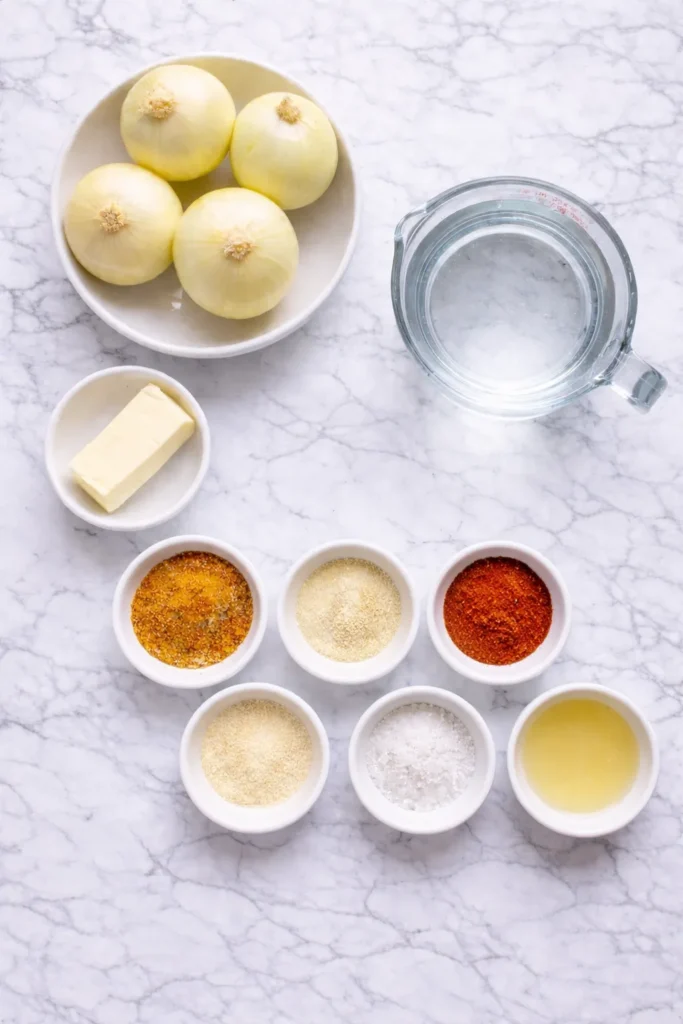
Ingredients for a Bold Onion Boil
Now we get to the part that looks almost too simple. The ingredient list is short, but each item matters. Skip one and the balance shifts. Keep it tight and you’re golden.
For one full onion boil serving four to six people, you’ll need:
- 4 large yellow onions, peeled but left whole
- 1 stick unsalted butter
- 4 cups water
- 1 tablespoon Old Bay seasoning
- 1 teaspoon garlic powder
- 1 teaspoon smoked paprika
- 1 teaspoon kosher salt
- ½ teaspoon black pepper
- 1 tablespoon lemon juice
That’s it. No hidden extras. No complicated substitutions.
Yellow onions work best because they strike the right balance between sweet and savory. White onions lean sharper. Red onions turn softer but sweeter. Stick with yellow first. Then experiment later.
Butter carries everything. Don’t swap it for oil unless you must. Oil doesn’t cling the same way. Butter melts into the layers and creates that glossy finish.
Old Bay brings subtle heat and depth. If you don’t love Old Bay, you can mix paprika, celery salt, and a pinch of cayenne instead. However, I’ve found that Old Bay keeps things easy.
The lemon juice at the end brightens the whole dish. Without it, the flavor can taste flat. With it, everything wakes up.
See? Short list. Big personality.
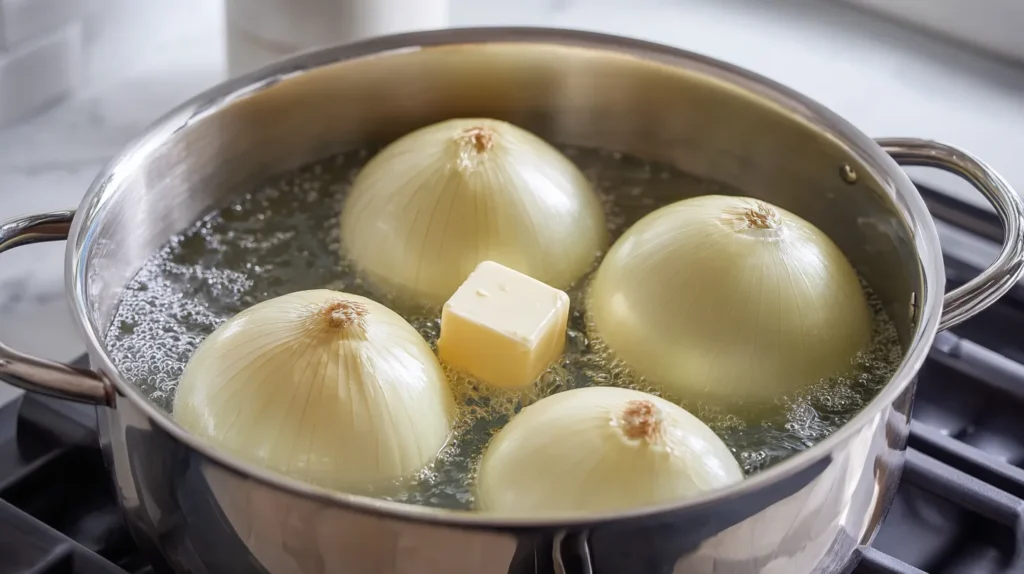
The Exact Process For An Onion Boil
This is the moment people brace for complexity. They expect hidden steps or chef-level tricks. There aren’t any. That’s the quiet flex of an onion boil.
Start by trimming only the rough root ends. Keep the core intact so the layers stay together. Peel away the papery outer skin, but resist the urge to cut the onion in half. Whole onions matter here. Structure equals flavor.
Place the peeled onions into a wide, heavy-bottomed pot. Give them enough room to sit comfortably without stacking. Add four cups of water along with one full stick of butter. Sprinkle in the Old Bay, garlic powder, smoked paprika, kosher salt, and black pepper. Nothing fancy. Just deliberate.
Turn the heat to medium-high and bring everything to a gentle boil. Once bubbles break the surface, immediately lower the heat to medium-low. Cover the pot loosely so steam can escape. Then let the onion boil quietly for 35 to 45 minutes.
You’re looking for fork-tender texture without collapse. The tip of a knife should slide in easily. If the outer layers start separating aggressively, your heat is too high. Dial it back. Calm heat builds better texture.
About five minutes before finishing, add the lemon juice. That small addition wakes up the richness without overpowering it.
When the onions are ready, lift them carefully with a slotted spoon. Let them rest for five minutes. Resting keeps the layers from slipping apart when sliced.
Cut into thick wedges. Spoon that buttery broth generously over the top. Serve warm and watch what happens.
Simple steps. Confident results.
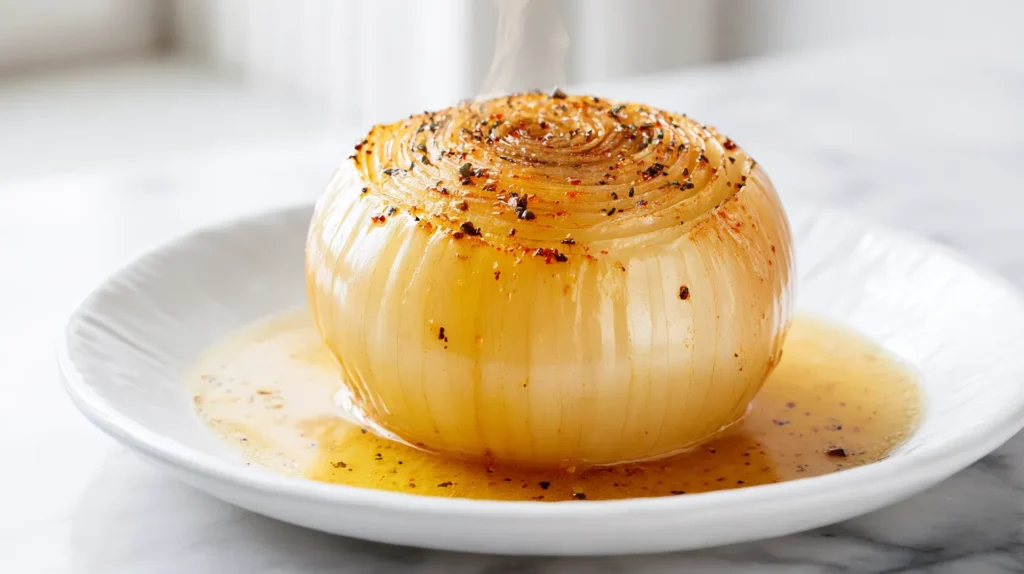
Onion Boil Flavor Variations That Work
Now here’s where people go wild. They start adding everything in their spice cabinet. Slow down. An onion boil shines when you adjust thoughtfully.
If you want heat, add:
- ½ teaspoon crushed red pepper
- A dash of hot sauce at the end
For a richer profile, try:
- 2 tablespoons heavy cream stirred into the broth
- A sprinkle of grated Parmesan after slicing
Want something brighter?
- Add fresh thyme during the last ten minutes
- Finish with chopped parsley
However, don’t overload it. Too many herbs compete with the onion’s sweetness. Keep the focus tight.
One unexpected twist I love is adding small red potatoes into the same pot. They cook alongside the onions and soak up the same buttery seasoning. Suddenly, your onion boil becomes a full side dish.
You can also toss in corn chunks during the last fifteen minutes. That creates a subtle seafood-boil vibe without seafood.
Here’s the pause: not every recipe needs endless options. Sometimes one or two tweaks are enough.
Let the onions lead.
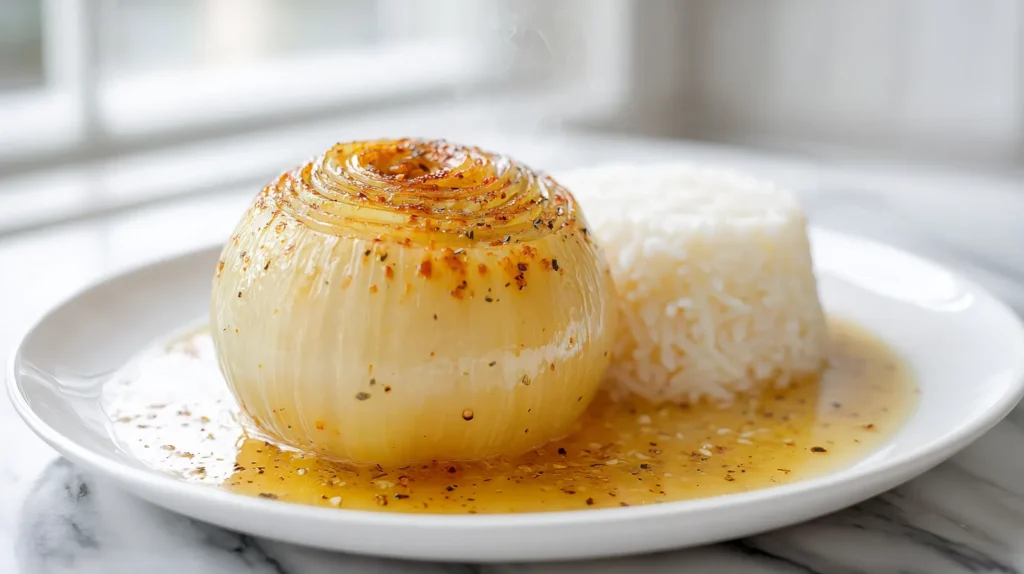
Serving Suggestions That Elevate It
An onion boil does not need a spotlight, yet it handles one beautifully. It pairs best with simple proteins because it already brings the drama. Grilled chicken gives it contrast. Pan-seared steak leans into the richness. Roasted salmon adds balance and keeps things light.
I like slicing the onions into thick wedges and placing them right beside the main dish. Then I spoon that seasoned butter broth over everything. It behaves like a built-in sauce without extra effort. Nothing fancy. Just smart layering of flavor.
If you want something more casual, mash the softened layers gently with a fork. Spread them over toasted bread while they’re still warm. The texture turns almost creamy, and suddenly it feels like something you ordered at a cozy café.
Here are a few easy directions to take it:
- Serve alongside crusty bread and a crisp green salad for contrast.
- Spoon over white rice so the broth seeps into every grain.
- Add to a grain bowl with quinoa and roasted vegetables for texture.
- Top with a soft-boiled egg and cracked pepper for brunch energy.
Now here’s the pivot.
Chop leftover onion boil pieces and fold them into scrambled eggs the next morning. The sweetness deepens overnight and surprises people in the best way.
This dish doesn’t shout across the table. It works quietly. First bite wins. Second bite confirms.
That’s subtle confidence on a plate.
Common Mistakes With Onion Boil
Let’s talk about the little things that quietly ruin good food. Because yes, even a confident onion boil can go sideways. Not in a dramatic, smoke-alarm way. More in a “why is this underwhelming?” way.
First up, and I say this with love:
Mistake One: Cutting The Onions In Half Before Boiling
I know it feels logical. Smaller pieces cook faster. However, whole onions are the point. When you slice them first, you lose structure. The layers separate. The flavor leaks into the water instead of staying tucked inside. Keep them whole. Let them soften from the outside in.
Next, the big one:
Mistake Two: Boiling Too Aggressively
A rolling, chaotic boil sounds powerful. It is. It’s also destructive. High heat makes the outer layers split and turn stringy. Meanwhile, the center stays firm. Lower heat equals better texture. Gentle simmer. Calm bubbles. Patience wins here.
Then there’s this quiet saboteur:
Mistake Three: Skipping The Rest Time
You pull the onions out and slice immediately. I get the temptation. Still, resting for five minutes lets the layers settle. Without that pause, you’ll end up with watery slices and slippery wedges.
Now here’s a mindset shift.
Mistake Four: Thinking More Seasoning Means More Flavor
It doesn’t. Over-seasoning buries the onion’s natural sweetness. Salt with intention. Taste. Adjust slowly. You can always add more. You cannot subtract.
Another easy trap?
Mistake Five: Overcrowding The Pot
Stacked onions cook unevenly. Give them space. They should sit snugly, not crammed like commuters on a subway.
If your broth reduces too much, don’t panic. Add a splash of hot water and move on. Stay calm. Cooking responds to calm energy.
Finally, taste before serving. That small check-in makes a difference.
An onion boil rewards attention, not aggression. Control the heat. Respect the structure. Trust simplicity.
Frequently Asked Questions About Onion Boil
I love this part because it’s where hesitation usually shows up. The onion boil sounds bold, so people assume it must be complicated. It’s not. Still, the “what ifs” matter. Let’s walk through the ones I hear most often.
Can I Make Onion Boil Ahead Of Time?
Yes, and it reheats beautifully. Cook it fully, then store the onions submerged in their broth in an airtight container. When you’re ready to serve, warm everything gently on the stove over low heat. Slow reheating keeps the texture soft instead of watery.
Can I Use Red Onions Instead?
You can. However, expect a sweeter result and a slightly softer texture. Red onions lean more delicate once cooked. If you want classic savory depth, stick with yellow first.
Does It Freeze Well?
Not really. The layers lose structure after thawing and turn mushy. This dish shines fresh or within a few days.
How Long Does It Last In The Fridge?
Up to three days if stored properly in the broth. Keep it sealed tightly to protect flavor.
Can I Use Vegetable Broth Instead Of Water?
Yes, but reduce the salt slightly. Broth already contains sodium, and you don’t want an overly salty onion boil.
Is This Kid-Friendly?
Surprisingly, yes. Boiling softens the sharp bite. The sweetness comes forward, which many picky eaters prefer.
What If My Onions Fall Apart?
The heat likely ran too high. Lower the simmer next time and keep the bubbles gentle.
Can I Double The Recipe?
Absolutely. Use a wider pot so the onions sit comfortably. Extend the simmer by about ten minutes and test tenderness.
Here’s the quiet truth. Bold flavors don’t require complicated steps. An onion boil proves that every time.
Storing, Reheating, And Leftover Ideas
Leftovers deserve strategy, not neglect. An onion boil tastes incredible fresh, but it doesn’t lose its charm the next day. In fact, the flavor deepens slightly as it rests in that seasoned broth.
Store the onions fully submerged in their cooking liquid. That step matters. The broth protects the layers from drying out and keeps everything silky. Use an airtight container and seal it tightly. Air dulls flavor fast.
When it’s time to reheat, slow wins again. Warm the onion boil gently on the stovetop over low heat. Let the broth loosen gradually. Stir once or twice, but don’t disturb the structure too much. Patience keeps the texture intact.
Now, if you’re short on time, the microwave works. Cover loosely and heat in short bursts. Pause between bursts so you don’t overcook the edges while the center stays cold.
Here’s where it gets interesting.
Leftover onion boil pieces transform beautifully. Chop them finely and fold them into:
- Pasta tossed with olive oil and Parmesan
- Mashed potatoes for subtle sweetness
- Grilled cheese sandwiches for savory depth
- Savory oatmeal with a soft egg on top
You can also blend one softened onion with a splash of cream to create a silky sauce base. Spoon it over chicken or roasted vegetables.
Layer sliced onion boil wedges onto flatbread with mozzarella. Bake until bubbly and golden. The edges caramelize slightly, and the flavor intensifies.
Food doesn’t need reinvention. It needs imagination. That’s the quiet power of leftovers done right.
Onion Boil
Ingredients
Method
- Trim the rough root ends of each onion while keeping the core intact so the layers stay together.
- Peel away the outer papery skin and leave each onion whole.
- Place the peeled onions into a wide, heavy-bottomed pot, spacing them evenly without stacking.
- Add 4 cups of water to the pot along with the full stick of unsalted butter.
- Sprinkle in the Old Bay seasoning, garlic powder, smoked paprika, kosher salt, and black pepper.
- Bring the pot to a gentle boil over medium-high heat.
- Reduce the heat to medium-low once boiling and cover the pot loosely.
- Simmer for 35 to 45 minutes until the onions are fork-tender but still hold their shape.
- Add the lemon juice during the final 5 minutes of cooking.
- Use a slotted spoon to carefully remove the onions from the pot.
- Let the onions rest for 5 minutes before slicing.
- Cut into thick wedges and spoon seasoned butter broth over the top before serving warm.
Tried this recipe?
Let us know how it was!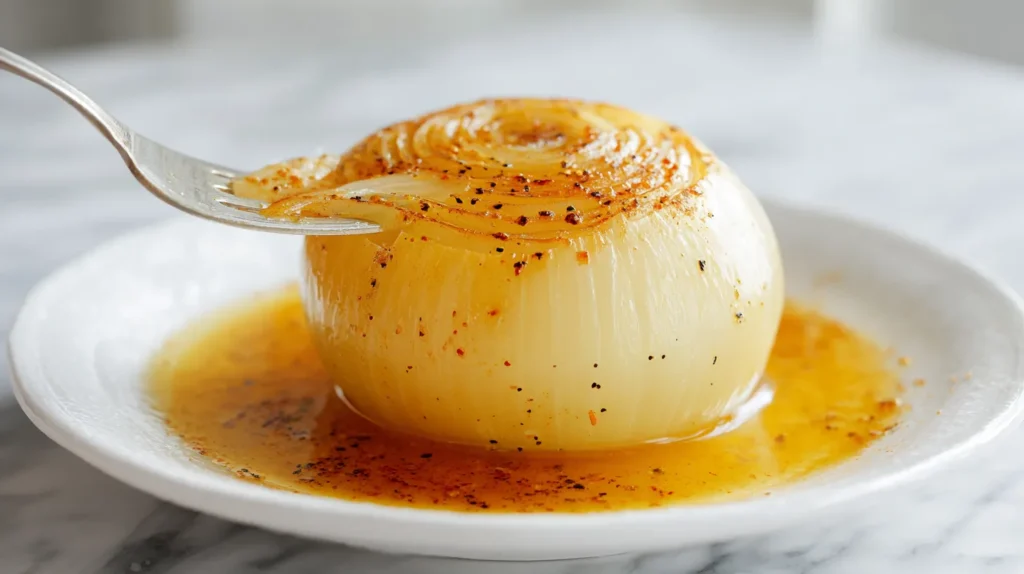
Last Few Delicious Thoughts
There’s something slightly rebellious about letting onions run the whole show. Not tucked into soup. Not hidden in sauce. Just standing there, soft and glossy, owning the plate. I love that energy.
I’ve found that the more I cook this way, the less I chase complicated recipes. Simple ingredients build real confidence. An onion boil proves that every time. It doesn’t beg for attention with flashy toppings or trendy buzzwords. Instead, it earns attention the quiet way. Bite by bite.
Cooking in Orlando keeps me mindful of balance. Heat changes how we crave food. Heavy meals feel overwhelming fast, especially when the air already feels thick. This dish brings richness without dragging you down. It’s buttery yet bright. It’s bold without being exhausting. That balance matters more than people admit.
I tend to notice hesitation when I mention boiling whole onions. There’s always that pause. Then curiosity kicks in. Later, the tone shifts to, “Wait… that actually works.” That shift makes me smile every time.
Pinterest might push dramatic, over-the-top visuals. Meanwhile, this humble onion boil simmers quietly and delivers. No glitter. No gimmicks. Just a flavor that makes you slow down.
Simple doesn’t mean basic. It means intentional.
So the next time you spot a bag of onions waiting on your counter, don’t overlook them. Give them the spotlight. Let them soften. Let them surprise you.
Sometimes the boldest move in the kitchen is trusting the obvious.