I love baking anything warm and cozy, and gingerbread cake always wins when I want something simple yet stunning. The scent alone turns my kitchen into a holiday moment. I also love that it doesn’t demand perfection. It just wants to taste good and look charming. I can work with that. I’ve found that this recipe brings a soft texture and deep spice without much effort. That’s my sweet spot on busy days.
I slide into baking mode pretty fast once December rolls in. Living in Florida means I rely on food to signal the seasons. Gingerbread has basically become my version of sweater weather. Warm spices create a little story in my kitchen, even when the temperature refuses to cooperate. That contrast doesn’t bother me anymore. Instead, I lean into the ingredients and let them set the mood.
This post walks you through every step in an easy, chatty way. I like sharing recipes that make sense even when your day runs faster than you do. You’ll see the full ingredient list, the exact measurements, and clear steps. I made everything direct, so nothing feels complicated. The work is simple, and the results look impressive. This recipe also gives you plenty of room to add your own touches later.
You’ll see tips throughout the post, and each section builds on the last. I wanted a setup that creates confidence and keeps things fun. Cooking should have personality. This one definitely does.
Jump to Recipe
Some of the links on this page are affiliate links, which means that if you click on them and buy something, I might get a small commission. But don’t worry; it never costs you more. You can peek at my full disclosure if you’re curious about the fine print.
Why Gingerbread Cake Deserves A Spot In Your Kitchen
Gingerbread cake is a classic for a reason. It brings warm spices together without overwhelming the palate. I love how the flavor sits somewhere between sweet comfort and simple nostalgia. It works for holidays, parties, or random Tuesdays. It also uses pantry-friendly ingredients, so you probably have half of them already. That alone helps busy women bake more often.
I like to understand why something works before I start mixing. This recipe uses rich molasses for depth, and ginger adds a little spark. Cinnamon rounds it out, and cloves bring that final sweet earthiness. Every ingredient brings something important. Yet nothing steals the spotlight. The balance matters.
Here’s what I love most:
- It stays soft for days
- It cuts cleanly for serving
- It works warm or chilled
- It pairs with whipped cream or frosting
- It travels well for parties
However, the biggest reason I reach for gingerbread cake is convenience. Baking doesn’t always need drama. Sometimes it just needs clarity. This recipe offers that. It mixes quickly and bakes evenly. The batter comes together in minutes, and cleanup is easy. I like recipes that respect my time.
I also enjoy that this dessert plays well with toppings. Powdered sugar works. Cream cheese frosting works. Fresh berries work. Even a scoop of vanilla ice cream fits. Versatility keeps things interesting, especially when planning gatherings.
Although many cakes look lovely, this one brings both beauty and flavor. It delivers every single time. That reliability matters during busy seasons. With this recipe, you know exactly what you’ll get. A soft crumb, warm spices, and a cozy scent that settles into your home. It’s a small win baked in one pan.
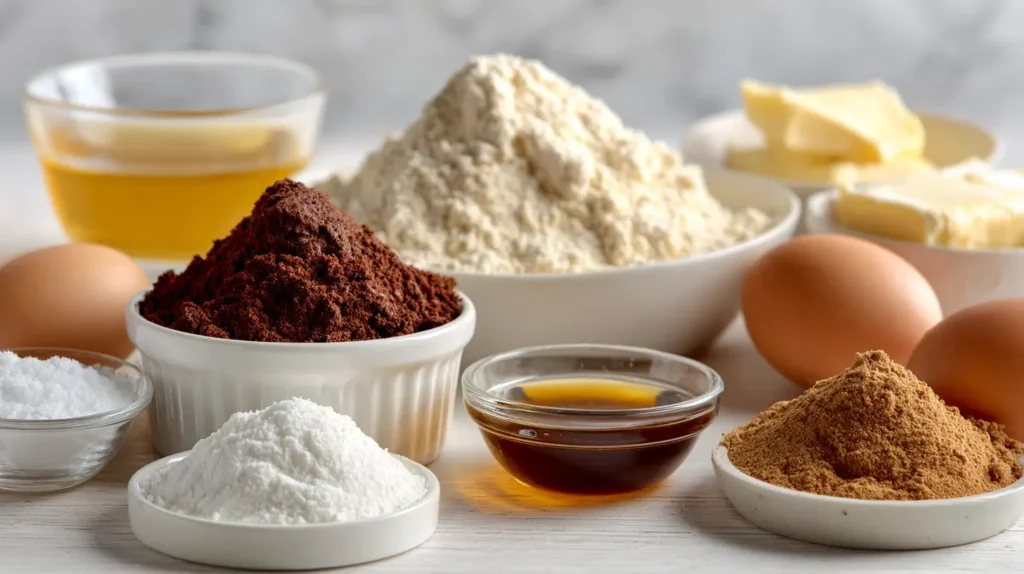
Ingredients You’ll Need For The Perfect Gingerbread Bake
I always start with ingredients because they set the tone. This gingerbread cake relies on simple items that create a bold flavor. Everything works together smoothly. While some cakes rely on technique, this one relies on balance. That balance makes things easier for everyone. You get a comforting dessert without complicated steps.
Here is the complete list:
- 2 ½ cups all-purpose flour
- 1 cup dark brown sugar, packed
- 1 cup molasses
- 1 cup hot water
- ¾ cup unsalted butter, melted
- 2 large eggs
- 2 teaspoons ground ginger
- 2 teaspoons ground cinnamon
- ½ teaspoon ground cloves
- 1 ½ teaspoons baking soda
- 1 teaspoon baking powder
- ½ teaspoon salt
- 1 teaspoon vanilla extract
You won’t need unusual items. Each ingredient serves a purpose. Molasses adds moisture and richness. Spices give warmth and personality. Butter keeps the crumb tender. Eggs add structure. Raising agents provide lift. Vanilla ties everything together.
Although some recipes try to reinvent classics, I keep this one straightforward. Every ingredient earns its place. Nothing feels extra. That helps the recipe stay familiar, even for new bakers.
Preparing everything beforehand always helps the process. I like to line ingredients on the counter because it keeps my workflow fast. You’ll notice that simple steps produce impressive results here. It encourages bakers of all levels.
However, accuracy matters. Measure carefully, especially with flour and molasses. Flour influences texture. Molasses influences richness. Understanding this can help avoid issues later. It’s a small thing that protects the final product.
Having ingredients ready also makes baking more enjoyable. It reduces stress and keeps your rhythm steady. It lets you stay present during each step. Gingerbread cake rewards that focus with reliable results. The batter welcomes consistency and gives you a cake worth sharing.
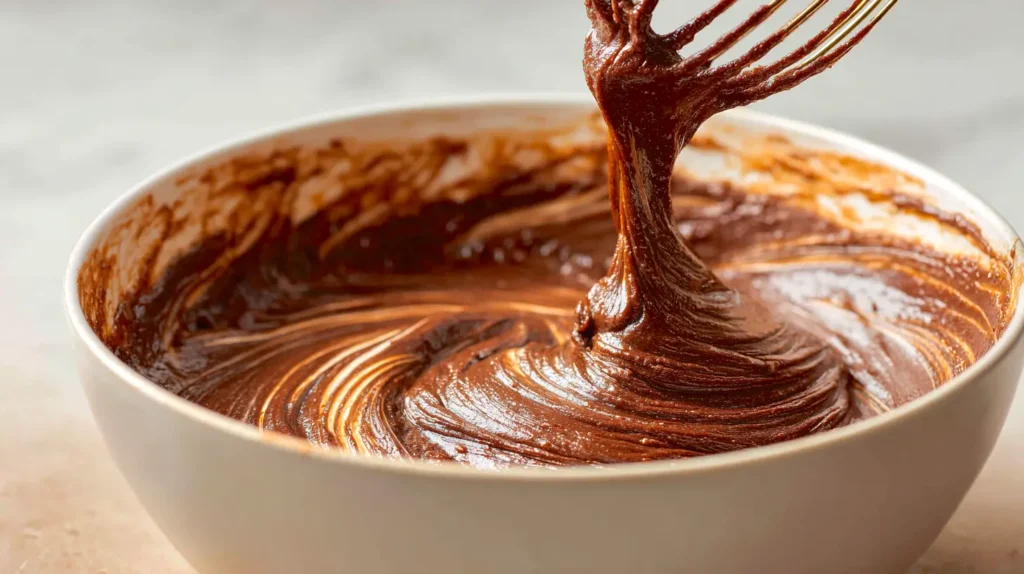
Step-By-Step Instructions For Gingerbread Cake
Clear steps matter. I like when a recipe walks beside me instead of ahead of me. These instructions keep things simple. You’ll move from mixing to baking without stress.
Here’s how to make it:
- Preheat your oven to 350°F.
- Grease a 9×13-inch baking pan.
- Combine flour, ginger, cinnamon, cloves, baking soda, baking powder, and salt in a bowl.
- Whisk brown sugar and melted butter in a separate bowl.
- Add eggs and whisk again until the mixture looks smooth.
- Add molasses and vanilla and whisk until combined.
- Pour hot water into the wet mixture and whisk gently.
- Add dry ingredients to wet ingredients and stir until fully mixed.
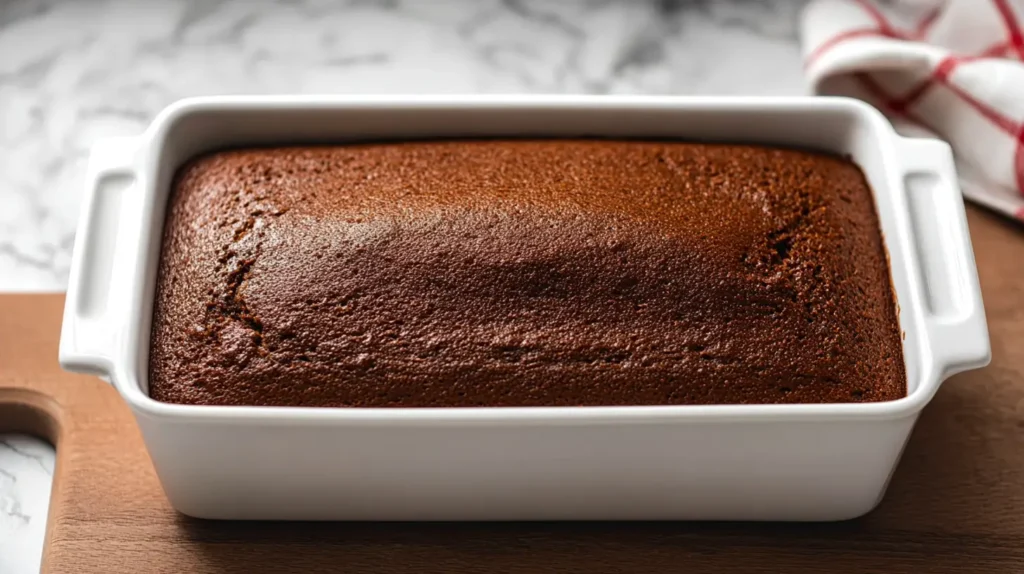
- Pour the batter into your prepared pan.
- Bake for 35–40 minutes.
- Cool the cake in the pan for at least 20 minutes.
- Slice and serve warm or cooled.
Every step builds on the last. This recipe relies on mixing rather than technique. You don’t need special tools. A whisk and a spoon handle most of the work. That’s one reason I reach for this dessert. It respects time and energy.
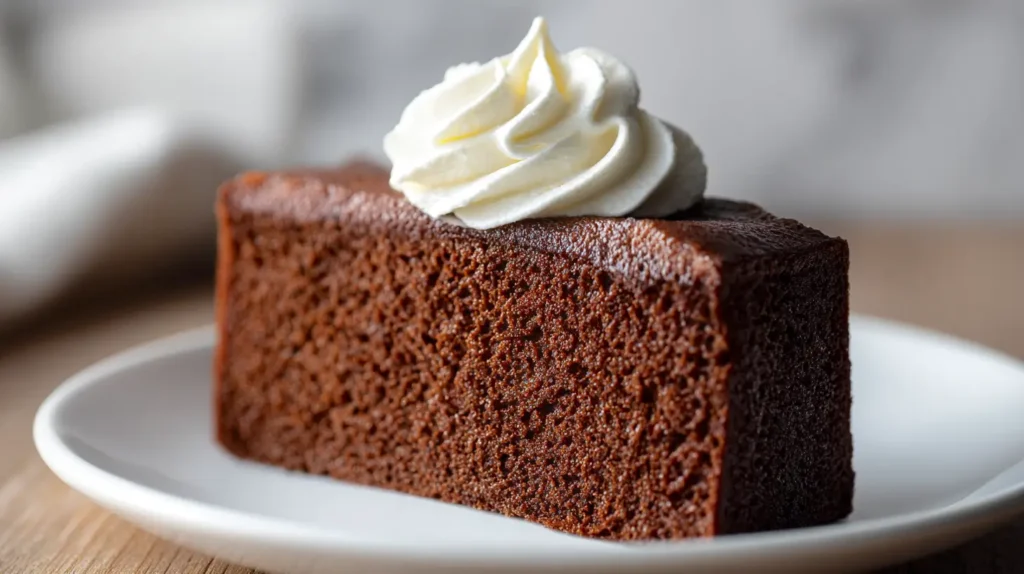
Although the batter seems thin, don’t worry. It bakes into a soft, plush texture. The spices bloom in the oven, which deepens the aroma. That moment always signals that dessert is almost ready. It’s a hint of comfort drifting from the oven.
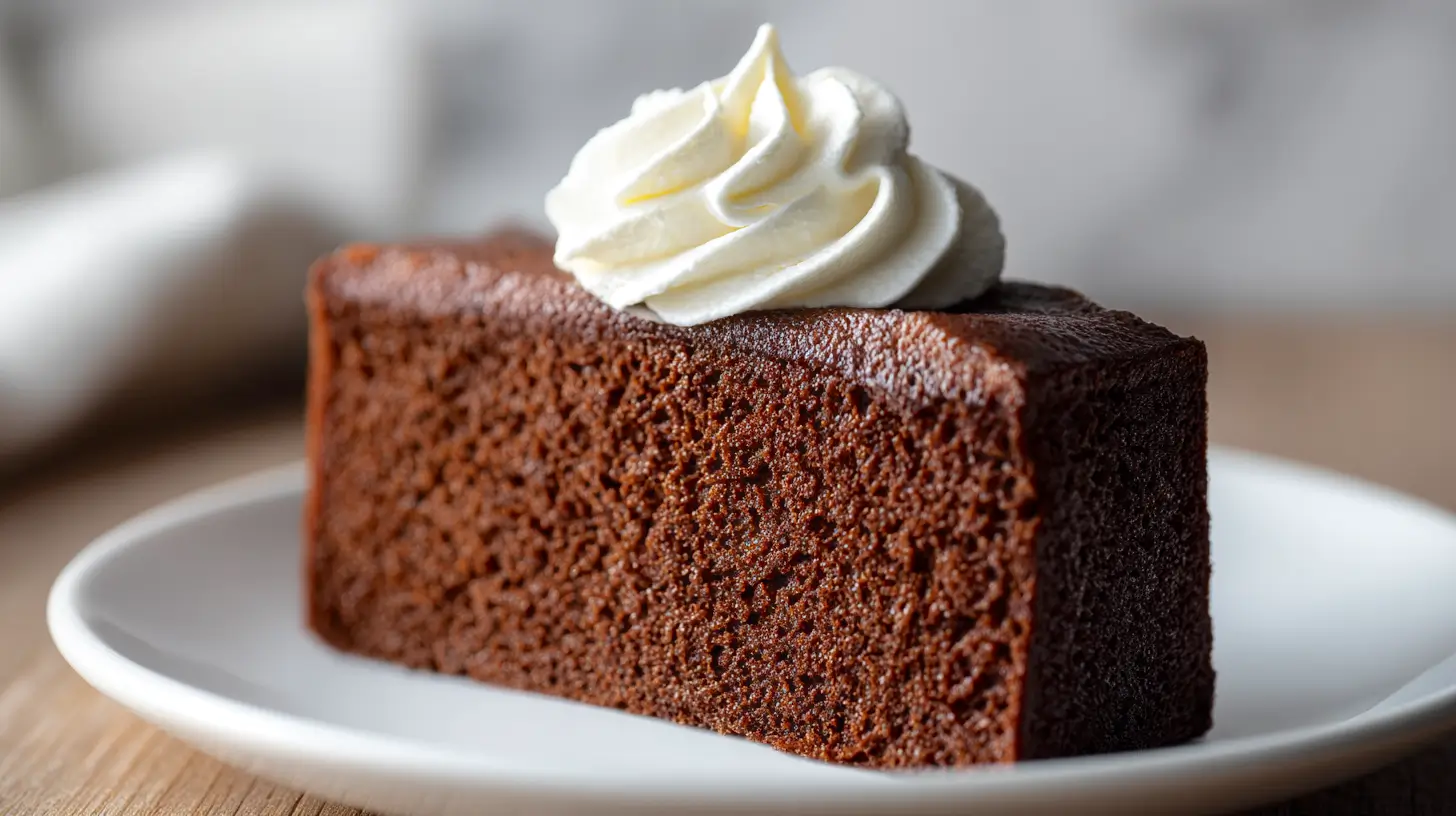
While you can decorate the cake, it shines without much help. Powdered sugar makes it charming. Whipped cream adds a soft topping. Cream cheese frosting adds tang. Everything works because the base has strong personality.
Once baked, the cake slices cleanly. That helps with gatherings, bake sales, and quick weekday desserts. It holds well on the counter too. That convenience suits busy weeks. Gingerbread cake stays tender longer than most simple bakes. That’s a win.
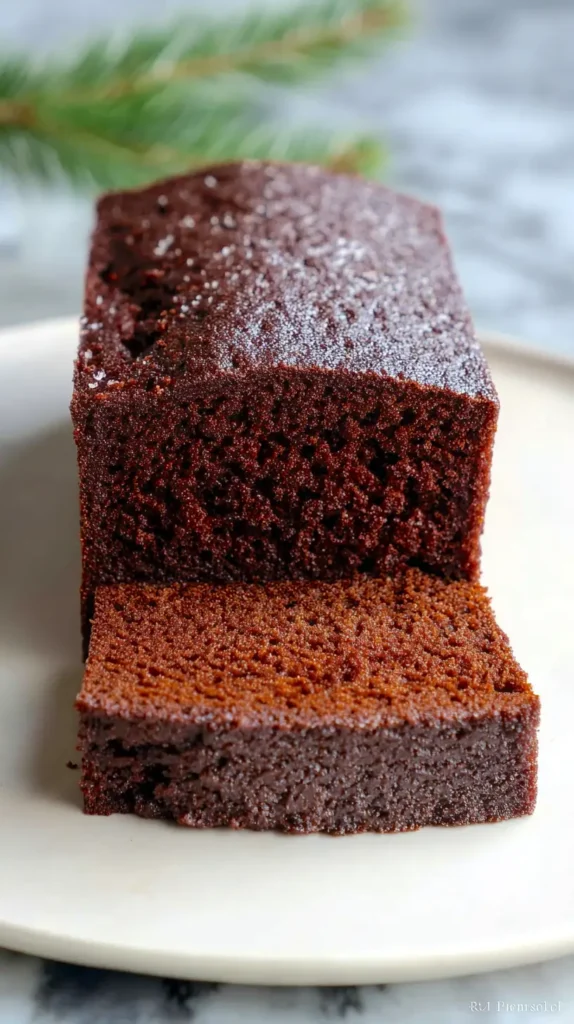
The Gingerbread Cake Cooling Trick That Changes Everything
I love discovering tiny kitchen moves that change an entire dessert, and gingerbread cake has one that deserves attention. Most people cool their cake in the pan or on a rack, but I started using a hybrid method that brings out deeper spice notes and keeps the texture unbelievably tender. It sounds fancy, but it’s as easy as shifting the pan at the right moment.
Once the cake is baked, let it rest in the pan for ten minutes, which helps the structure set. Then, instead of flipping it out or leaving it to cool completely, slide the warm cake onto a sheet of unbleached parchment lying flat on the counter. The parchment keeps just enough warmth around the base to intensify the molasses while preventing the edges from drying. It works like a tiny flavor sauna.
Because the heat escapes more evenly this way, the crumb settles without tightening. This creates a plush, almost velvety texture that slices cleanly even after a night on the counter. It also allows the spices to bloom a bit longer, which deepens the ginger and cinnamon in a surprisingly vibrant way. You get the same ingredients, the same bake time, yet the cake tastes richer and more balanced.
I love tiny tricks like this because they don’t add labor. They just shift the process slightly to reward you with better results. Gingerbread cake becomes more expressive, more aromatic, and more memorable with this approach. It’s like giving the flavors a moment to sync before serving. Once you try it, you won’t go back to hurried cooling or pan-only rest times, because this simple change delivers a cake that tastes intentionally crafted.
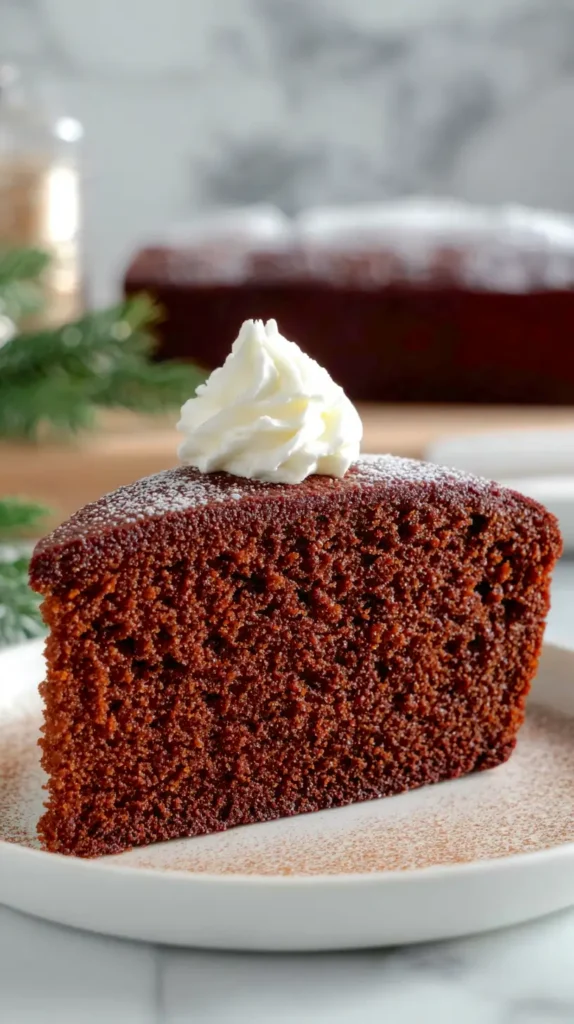
Simple Toppings To Take Your Cake Further
Toppings change the story of gingerbread cake without complicating anything. I like options that work with little effort. Each one adds something special. Although the cake stands alone, extras often fit the moment.
Here are topping ideas:
- Powdered sugar
- Maple glaze
- Cream cheese frosting
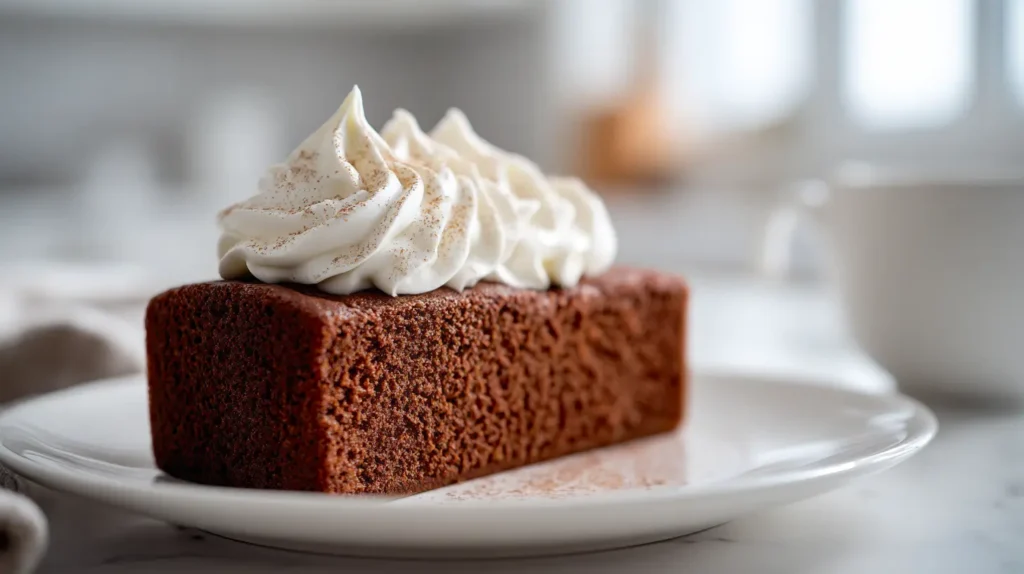
- Whipped cream
- Citrus zest
- Warm caramel drizzle
Maple glaze looks polished yet stays easy. Mix powdered sugar with maple syrup until pourable. It adds sweetness without heavy texture. Cream cheese frosting brings tang and richness. It fits birthdays or holidays. Whipped cream keeps things light and airy. Citrus zest brightens the warm spices. Caramel drizzle adds depth and drama.
Choosing toppings depends on the mood. Cozy nights call for whipped cream. Celebrations lean toward frosting. However, powdered sugar works for everything. It’s classic, simple, and always pretty.
I also love that toppings let you personalize without rewriting the recipe. They offer customization for families and guests. You can even create a topping bar for parties. Guests enjoy choosing their favorite option. It adds interaction without stress.
Although many desserts require perfect technique, this one just invites creativity. You don’t need fancy piping skills. You don’t need special tools. A spoon handles most toppings. A small bowl holds the rest.
The cake’s structure supports any topping you choose. It doesn’t crumble under weight. That stability matters when entertaining. It lets you cut perfect slices even with generous toppings.
Versatility keeps this dessert evergreen in my kitchen. It adapts to moods and seasons. Simple additions elevate without overshadowing. It’s a flexible cake that meets you where you are. Gingerbread cake always welcomes creative touches.
Storage Tips That Keep Your Cake Fresh
Storage impacts flavor more than people expect. Gingerbread cake holds moisture well, but small steps help keep it fresh. I like storing it in ways that protect texture and richness. It saves time later and extends enjoyment.
Here’s what works:
- Keep it covered at room temperature for three days
- Refrigerate for up to one week
- Freeze slices for up to three months
- Wrap slices individually for easy thawing
Room-temperature storage suits daily snacking. A covered pan keeps the crumb soft. Refrigeration helps during busy weeks because the cake stays stable. Freezing works for long-term planning. It also supports portion control for families. Individually wrapped slices thaw quickly.
Although freezing sounds intimidating, it’s simple. Wrap slices in plastic wrap, then place them in a freezer bag. Press out extra air. Label the bag with the date. This prevents guesswork later. When you want a slice, thaw it on the counter. Warm it in the microwave for a cozy treat.
Proper storage reduces waste. It also protects your work. Baking takes effort, and storing it well ensures the cake stays delicious. Each method supports different needs. Busy seasons often require options. Gingerbread cake adapts easily.
I also like freezing cake before events. It saves energy on hectic days. Thawed slices taste just as rich. That flexibility matters when planning holidays or gatherings.
Although this recipe stands strong on its own, smart storage makes it last longer. It protects flavor and texture without demanding extra work. Simple habits often offer big rewards. Gingerbread cake remains soft, fragrant, and enjoyable when stored properly.
Brown Sugar Cinnamon Glaze That Melts Right In
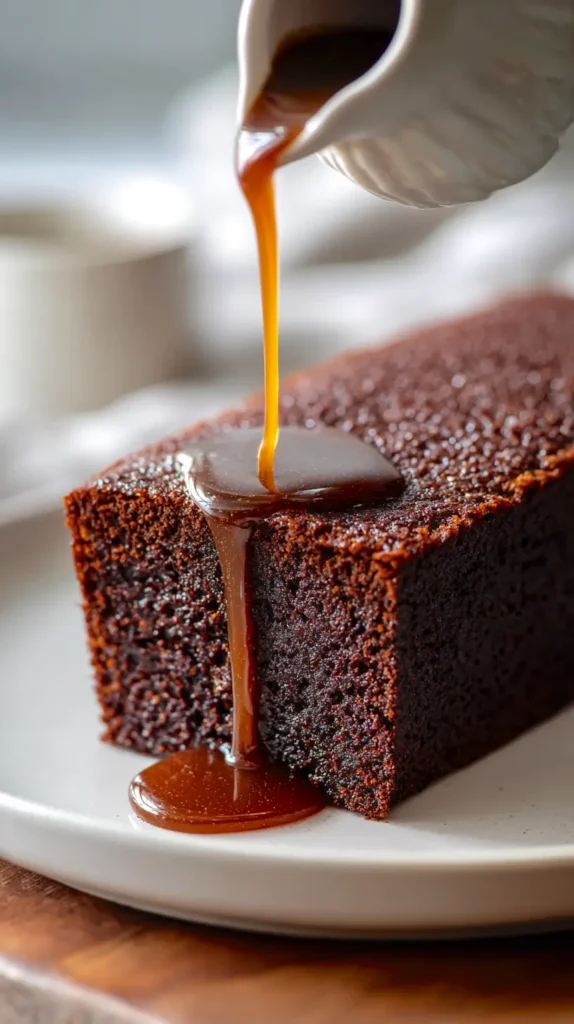
I love a topping that feels fancy but takes almost no effort, and this brown sugar cinnamon glaze checks every box. It brings a warm, glossy finish to gingerbread cake without hiding the crumb or feeling heavy. It also comes together in one small saucepan, which makes cleanup painless. The ingredients stay simple: butter, brown sugar, cinnamon, vanilla, and a splash of milk to bring everything together. They melt down into a smooth glaze that pours easily and settles into a soft sheen on the cake. It adds flavor without taking over, and it makes each slice feel a little extra without extra work.
To make it, you melt two tablespoons of butter in a small pan over medium heat. Stir in a quarter cup of brown sugar until it dissolves and looks glossy. Add a quarter teaspoon of cinnamon and keep stirring so the sugar doesn’t settle on the bottom. Once everything looks smooth, pour in two tablespoons of milk. The mixture will bubble a bit, which is normal. Let it simmer for about thirty seconds so it thickens slightly. Take it off the heat and add half a teaspoon of vanilla. Stir again to let the flavors settle. The glaze should look silky and thin enough to drizzle but thick enough to cling to a spoon. If it feels too thick, add a splash more milk. If it feels too thin, let it sit for a minute.
Pour it over the cake while it’s still warm. It spreads on its own, so you don’t need to fuss with it. The glaze creates a sweet, spiced layer that complements the gingerbread flavor and adds a cozy finish to each slice. It’s a small trick that makes the whole dessert feel more intentional.
Creative Ways To Serve Gingerbread Beyond The Basics
Serving ideas help you explore gingerbread cake in new ways. I love finding fresh twists that stay easy. Although the classic square works, variety makes dessert more fun. Each option introduces a new mood. Understanding these uses lets the recipe shine throughout the year.
Here are ideas you can try:
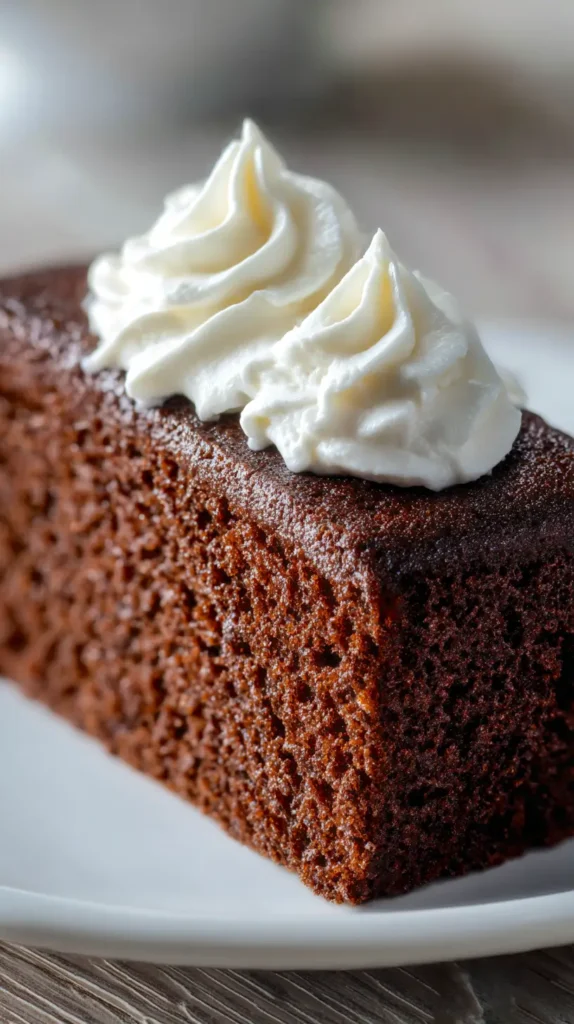
- Add whipped cream and crushed cookies
- Serve with vanilla ice cream
- Layer slices with pudding for a trifle
- Cut into cubes for dessert boards
- Top with fresh berries
- Drizzle with warm chocolate sauce
Dessert boards offer charm and simplicity. They create interactive moments for guests. Ice cream adds contrast and cool sweetness. Trifles create layers that feel playful. Berries add brightness. Chocolate sauce brings richness.
I like browsing new ideas before serving guests. It keeps things exciting. However, these ideas also help during quiet nights. Simple changes create variety without rewriting the recipe. They offer small shifts that keep dessert interesting.
Although gingerbread seems seasonal, it adapts well. Summer nights still welcome ice cream pairings. Spring events enjoy berry toppings. Winter holidays shine with trifles and cream. Year-round versatility makes this dessert a strong staple.
Presentation shapes the moment. Small twists show intention without complicating your day. Gingerbread cake also travels well, which supports potlucks and gatherings. Each serving idea becomes another reason to bake it again.
Creativity doesn’t need extra stress. It just needs inspiration. These ideas expand how you enjoy each slice. They celebrate this recipe’s adaptability and charm. Gingerbread cake loves fresh approaches. You can reinvent it often.
Gingerbread Cake Tips For Confident Baking
I appreciate recipes that support bakers of all skill levels. Gingerbread cake does that naturally. However, a few tips make the process even smoother. They help avoid mistakes and strengthen results. I’ve found that small choices often improve texture.
Here are helpful tips:
- Measure flour carefully
- Keep ingredients at room temperature
- Whisk wet ingredients thoroughly
- Don’t overmix the batter
- Check doneness with a toothpick
- Cool the cake before slicing
Accuracy influences softness. Room-temperature ingredients combine more easily. Whisking creates a smoother base. Overmixing develops excess gluten. A toothpick test prevents guesswork. Cooling protects the crumb from tearing.
Although these tips sound simple, they protect the outcome. They also shorten learning curves for new bakers. Experienced bakers appreciate reminders too. Everyone benefits from clarity during baking.
I enjoy seeing consistent results because it builds confidence. Gingerbread cake rewards patience. It also forgives small mistakes. That combination encourages repeat baking.
Understanding why steps matter helps refine technique. You gain a sense of control. You also bake with less stress. Knowledge supports creativity and consistency. It lets you experiment later without losing reliability.
These tips support your success from start to finish. They strengthen foundation and technique. They also keep the recipe enjoyable. Baking should empower, not overwhelm. Gingerbread cake helps you learn and enjoy the process at the same time.
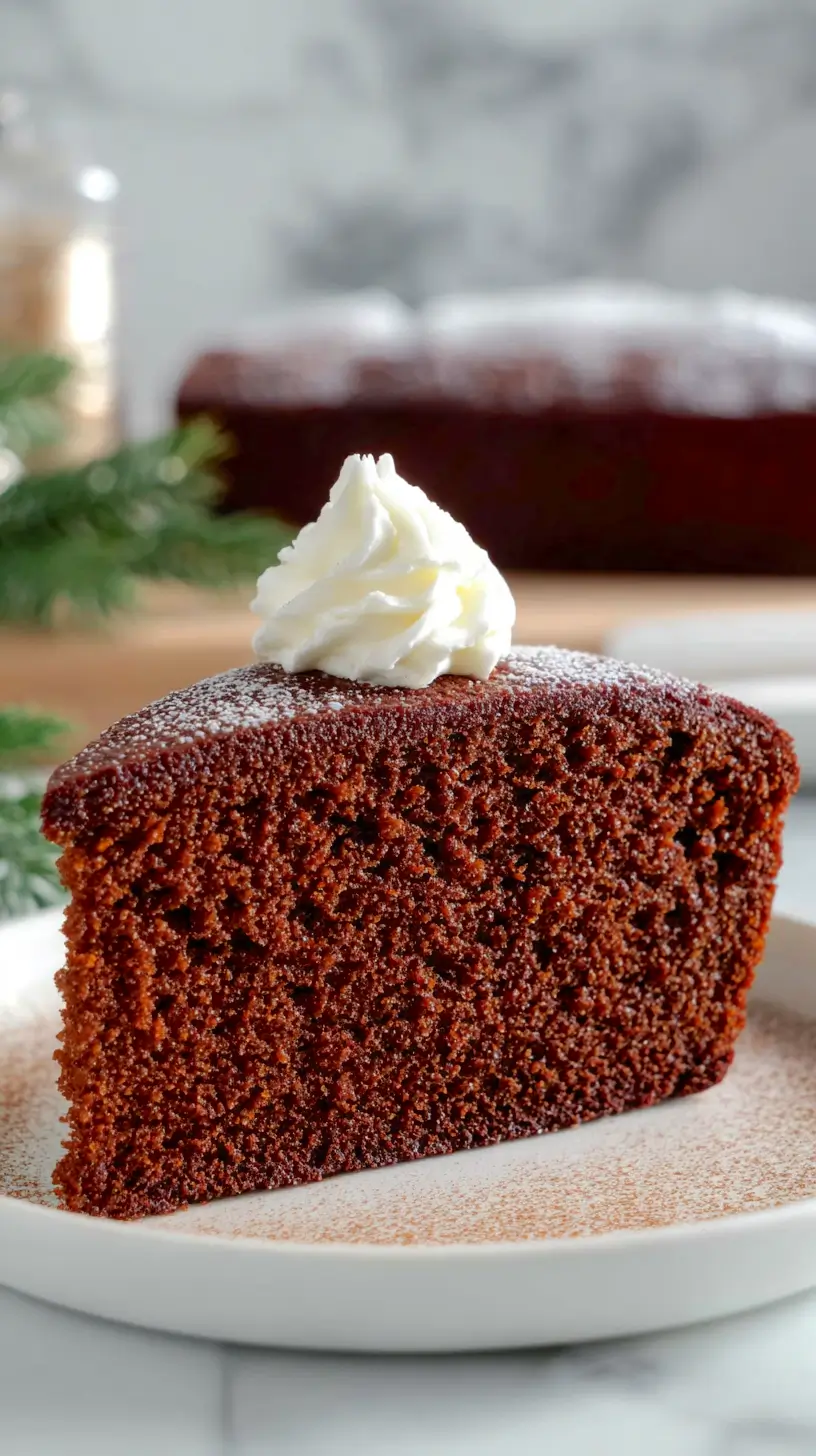
Gingerbread Cake
Ingredients
Method
- Preheat your oven to 350°F.
- Grease a 9×13-inch baking pan.
- Combine the flour, ginger, cinnamon, cloves, baking soda, baking powder, and salt in a bowl.
- Whisk the brown sugar and melted butter together in a separate bowl.
- Add the eggs and whisk until the mixture looks smooth.
- Add the molasses and vanilla and whisk until fully combined.
- Pour the hot water into the wet mixture and whisk gently.
- Add the dry ingredients to the wet ingredients and stir until the batter is fully mixed.
- Pour the batter into the prepared pan.
- Bake for 35–40 minutes, or until the center springs back lightly when touched.
- Cool the cake in the pan for at least 20 minutes.
- Slice and serve warm or cooled.
Tried this recipe?
Let us know how it was!Last Thoughts on Gingerbread Cake
I love sharing recipes that invite confidence, and gingerbread cake always offers that easy pathway. Each step stays clear, and the result tastes like comfort served on a plate. I enjoy recipes that respect time while still delivering something lovely. Baking should support your life, not complicate it. This dessert fits that intention perfectly. Nothing here demands complicated skills or special tools, which makes it accessible for any home baker.
I also love the sense of rhythm that comes with simple baking days. I live in Florida, so I often rely on recipes like this to bring little touches of seasonal charm indoors. Warm spices always change the mood in my kitchen. They remind me that cozy moments are possible even without cooler weather. Small rituals like this help anchor busy weeks. They also create easy wins when you need them most.
If you enjoy sharing recipes with friends, this one works beautifully. Pinterest fans especially love spreads with timeless desserts, so this one fits right in. The ingredients stay affordable, and the instructions remain manageable. You can bake it for gatherings, holidays, or relaxed evenings. You can also pair it with any topping you love. Each version stays true to the gingerbread cake spirit.
I love offering recipes that simplify life, spark inspiration, and encourage you to try something new. This one checks every box. It’s charming, reliable, and adaptable. It asks very little yet gives a lot. That balance keeps me coming back. I hope it brings the same comfort and joy to your kitchen.