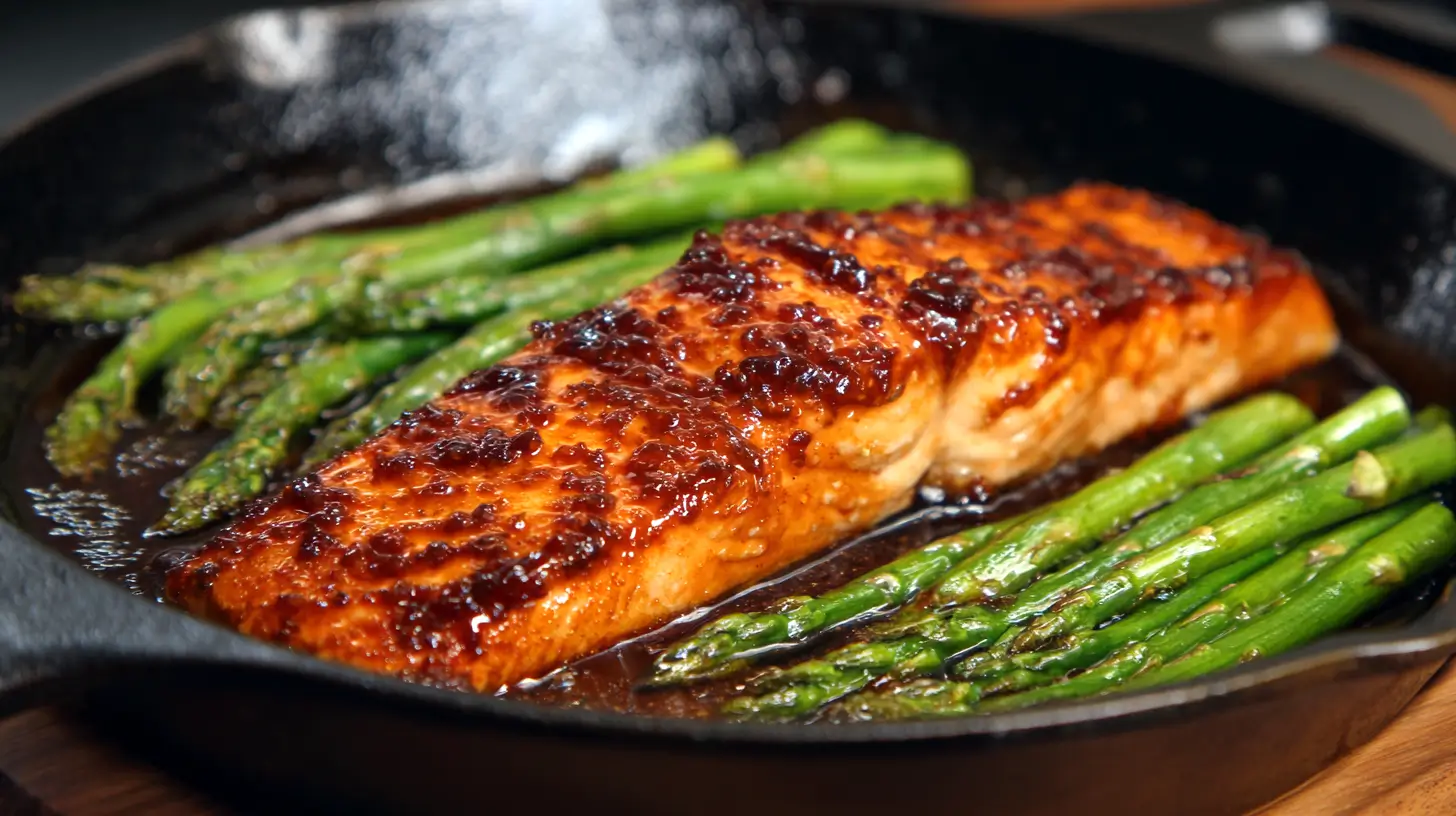
I love recipes that balance cozy and impressive without turning dinner into a production. Maple glazed salmon does exactly that. It looks fancy, tastes special, and still fits a real weekday rhythm. I’ve found that this kind of recipe earns a permanent spot because it works for many moods. It suits quiet nights, yet it also handles company without stress. That combination matters.
Salmon already carries its own confidence, which helps. However, the maple glaze changes the whole tone. It adds sweetness, depth, and shine without hiding the fish. Because the flavors stay simple, the dish stays flexible. You can serve it with roasted vegetables, rice, or even a salad. Meanwhile, cleanup stays mercifully short.
I write recipes for women who want clarity and comfort in the kitchen. This one delivers both. Each step stays clear and forgiving. Every ingredient earns its place. Nothing feels fussy or unnecessary. That balance keeps cooking enjoyable.
Living in Florida, I lean on fast dinners that don’t heat the house too much. Salmon cooks quickly, which helps during warmer months. Still, the flavors work year-round, which makes it a keeper.
This post walks through everything, slowly and clearly. I explain why each step matters. I also share timing cues that reduce second-guessing. If you want a reliable dinner that tastes intentional, this recipe delivers. Maple glazed salmon keeps things calm, flavorful, and just special enough.
Some of the links on this page are affiliate links, which means that if you click on them and buy something, I might get a small commission. But don’t worry; it never costs you more. You can peek at my full disclosure if you’re curious about the fine print.
Why Maple Glazed Salmon Works Every Single Time
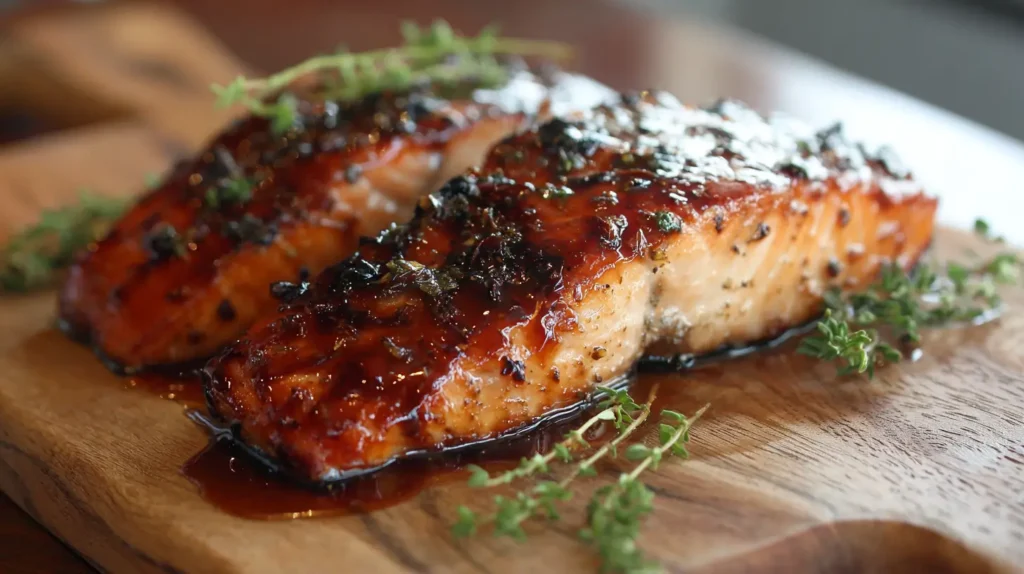
Maple glazed salmon succeeds because the flavors stay balanced. Sweetness never overwhelms the fish. Instead, it supports the salmon’s natural richness. Because maple syrup caramelizes gently, it creates gloss without burning. That detail matters.
I’ve found that salmon benefits from a glaze with restraint. Heavy sauces hide texture and mute flavor. This glaze does the opposite. It highlights the fish while adding warmth. Consequently, each bite tastes layered but still clean.
Timing also plays a role. Salmon cooks quickly, which prevents dryness. Meanwhile, the glaze thickens during the final minutes. That overlap keeps everything synchronized. Nothing waits around losing heat or texture.
Another reason this recipe works involves simplicity. The ingredient list stays short and purposeful. Because every item pulls its weight, the dish tastes cohesive. There’s no confusion on the plate.
Maple glazed salmon also adapts easily. You can adjust sweetness slightly without breaking the recipe. You can swap sides based on what’s available. That flexibility supports real life.
Here’s what makes this dish dependable:
- The glaze thickens naturally without cornstarch.
- The salmon stays moist because of quick cooking.
- The flavors suit both adults and kids.
- The process uses one pan for easy cleanup.
Because the method stays straightforward, confidence builds fast. After one try, the recipe becomes familiar. Familiar food brings comfort, especially on busy nights.
This dish also photographs beautifully, which doesn’t hurt. The shine looks inviting without extra work. However, taste always comes first here.
When recipes behave predictably, cooking stays enjoyable. That reliability makes maple glazed salmon a repeat favorite.
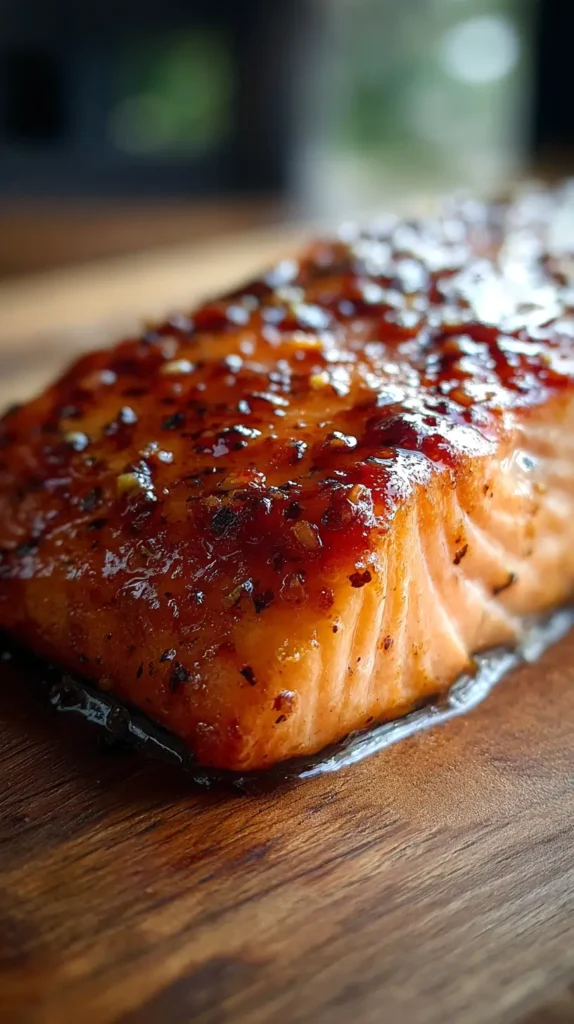
Ingredients You Need
Ingredients matter more than technique in simple recipes. Maple glazed salmon proves that point. Each item supports the next without competition. Because the list stays tight, quality matters.
Here are the exact ingredients you need:
- 4 salmon fillets, skin-on or skinless, 6 ounces each
- 1/3 cup pure maple syrup
- 2 tablespoons low-sodium soy sauce
- 1 tablespoon Dijon mustard
- 1 tablespoon olive oil
- 2 cloves garlic, minced
- 1/2 teaspoon kosher salt
- 1/4 teaspoon black pepper
- Optional garnish: sliced green onions or chopped parsley
Pure maple syrup matters here. Pancake syrup won’t behave the same. Real maple syrup caramelizes smoothly and tastes cleaner. That difference shows immediately.
Soy sauce adds depth and balance. It prevents the glaze from tipping too sweet. Dijon mustard adds quiet sharpness without stealing focus. Together, they create structure.
Olive oil protects the salmon during cooking. It also helps the glaze spread evenly. Garlic adds aroma without overpowering. However, mincing finely keeps the flavor gentle.
Salt and pepper season the fish itself. That step matters even with a glaze. Proper seasoning ensures the salmon tastes complete.
Optional garnishes add freshness and color. They aren’t required, but they help presentation. However, the dish stands strong without them.
Because the ingredients stay familiar, shopping feels easy. No specialty items hide in the list. That accessibility keeps the recipe practical.
Maple glazed salmon relies on balance, not complexity. Each ingredient earns trust. When ingredients behave well together, cooking stays calm and predictable.
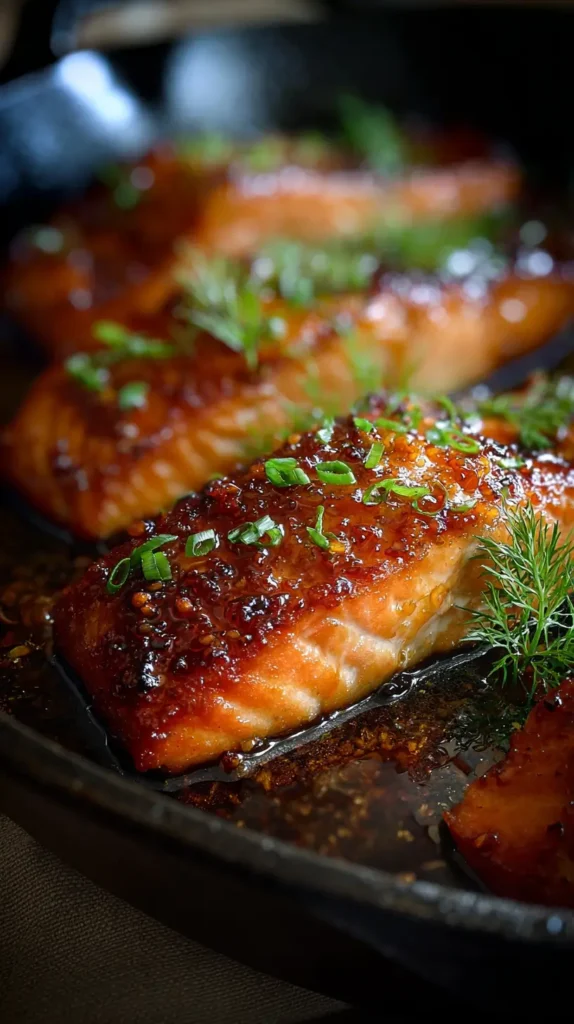
Step-by-Step Instructions
Clear steps reduce stress in the kitchen. Maple glazed salmon benefits from a steady, simple process. Follow these steps in order for best results.
- Preheat your oven to 400 degrees Fahrenheit.
- Line a rimmed baking sheet with parchment paper or foil.
- Place the salmon fillets on the prepared baking sheet.
- Pat the salmon dry with paper towels.
- Season the salmon evenly with salt and black pepper.
- In a small bowl, whisk maple syrup, soy sauce, Dijon mustard, olive oil, and minced garlic.
- Spoon half the glaze evenly over the salmon fillets.
- Bake the salmon for 12 minutes.
- Remove the pan from the oven.
- Spoon the remaining glaze over the salmon.
- Return the pan to the oven.
- Bake for another 4 to 6 minutes.
- Check for doneness with a fork.
- The salmon should flake easily and look opaque.
- Remove the salmon from the oven.
- Let it rest for 2 minutes before serving.
- Add optional garnishes if desired.
Resting matters even for fish. Those two minutes allow juices to redistribute. As a result, the salmon stays moist.
The two-stage glazing prevents burning. Maple syrup thickens quickly. By adding half later, you protect the glaze.
If your fillets vary in thickness, adjust timing slightly. Thicker pieces need closer to 18 minutes total. Thinner fillets finish faster.
Because ovens vary, visual cues help. Look for gentle flaking and a glossy surface. Avoid overcooking.
These steps stay approachable and repeatable. Once you make maple glazed salmon once, the rhythm sticks.
Portioned Glaze-Forward Squares
Here’s a specific idea that actually changes how this recipe eats, not just how it looks. Instead of cooking and serving maple glazed salmon as whole fillets, cut the salmon into evenly sized squares before baking. Think two-inch portions. This isn’t for speed or trendiness. It’s about glaze control.
I’ve found that the glaze behaves differently when salmon cooks in smaller, uniform pieces. Each square gets more exposed surface area, which means more caramelized maple edges. Those edges matter. They deliver concentrated flavor without extra sweetness or sauce.
When the salmon cooks as smaller pieces, the glaze thickens faster and clings better. Instead of sliding off a large fillet, it wraps each piece like a shiny coat. That changes the bite. You get glaze on every forkful, not just the top layer.
This method also solves a doneness issue many people don’t realize they have. Thick fillets cook unevenly. Smaller squares cook at the same pace. That consistency removes guesswork, especially for newer cooks.
Another quiet benefit shows up at the table. Portioning becomes effortless. Everyone gets the same size pieces. Seconds feel fair. Leftovers store neatly. Nothing flakes apart messily.
Serve the squares close together on the pan so the glaze pools slightly between them. As they bake, the glaze bubbles and reduces right where the salmon sits. That pooled glaze becomes a built-in finishing sauce without extra steps.
Maple glazed salmon prepared this way feels intentional and polished, yet still approachable. It’s the same ingredients and timing, just a smarter cut. That small shift delivers better texture, stronger flavor, and a more consistent result, which is exactly what a great recipe should do.
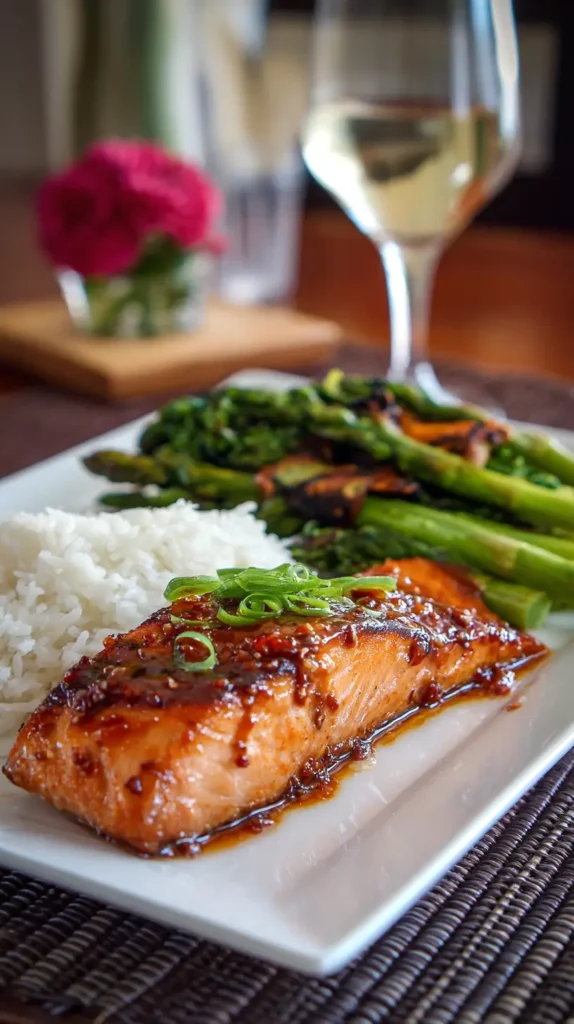
Common Mistakes to Avoid With Maple Glazed Salmon
Even simple recipes benefit from guidance. Maple glazed salmon stays forgiving, yet a few missteps can interfere. Knowing what to avoid helps protect results.
One common mistake involves syrup choice. Pancake syrup burns and tastes artificial. Always use pure maple syrup. That choice alone changes everything.
Another issue involves overcrowding the pan. Salmon needs space to cook evenly. Crowding traps steam and softens texture. Spread fillets with space between.
Skipping the drying step causes trouble. Moisture prevents proper glazing. Patting dry helps the glaze cling and caramelize.
Overcooking happens quickly with salmon. Because fish cooks fast, distractions matter. Set a timer and trust it. Checking early helps.
Using high heat too long risks burning the glaze. That’s why this recipe uses moderate oven heat and staged glazing. The method protects sweetness.
Here are mistakes to watch for:
- Using thin foil without lining.
- Forgetting to season the salmon itself.
- Pouring all glaze at once.
- Cooking by time only, not appearance.
Avoid flipping the salmon during baking. Baking works best when undisturbed. Movement breaks the glaze.
If the glaze thickens too much in the bowl, whisk gently. Maple syrup thickens naturally when cool. That behavior stays normal.
Mistakes happen, but awareness helps. Maple-glazed salmon stays forgiving when treated gently. Small adjustments lead to confident results.
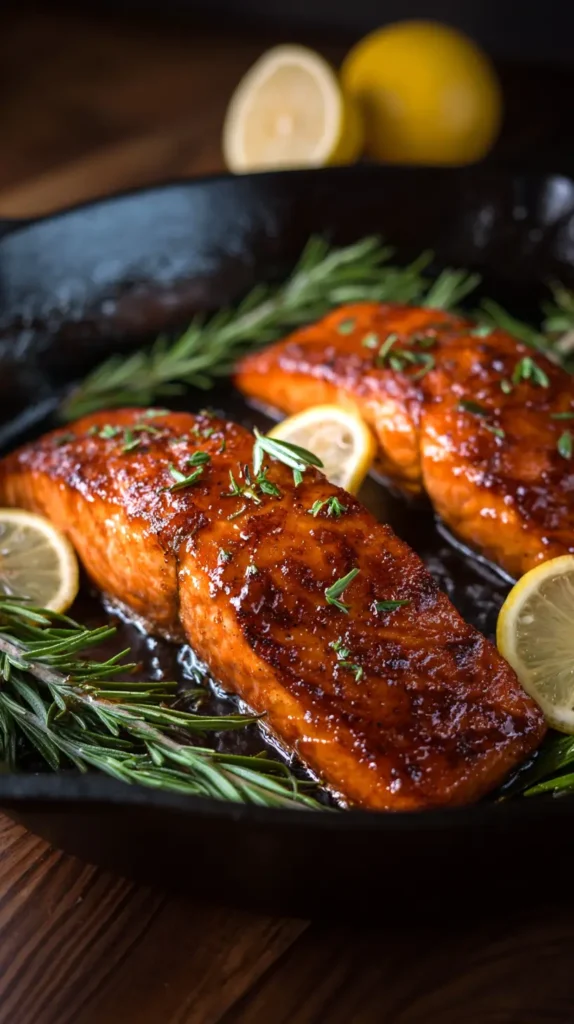
Best Side Dishes for Maple Glazed Salmon
Choosing sides matters because maple glazed salmon carries sweetness. Balanced sides support the dish without competing. I’ve found that simple sides work best.
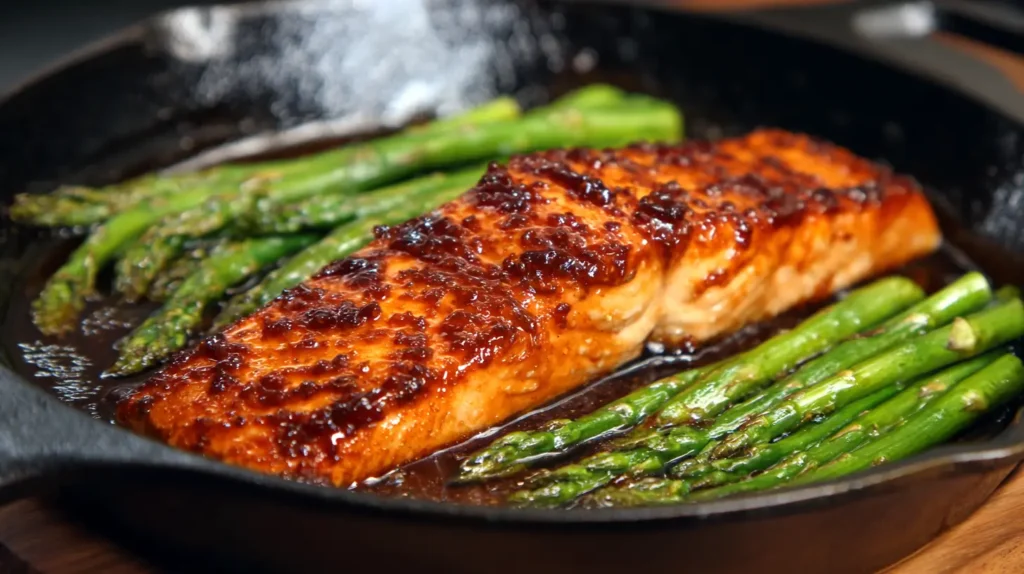
Roasted vegetables shine here. Brussels sprouts, carrots, or green beans add contrast. Their slight bitterness balances the glaze. Toss with olive oil and roast alongside the salmon if space allows.
Rice also works well. Jasmine or basmati rice absorbs extra glaze nicely. Quinoa offers texture and protein. Keep seasoning light to avoid competition.
Salads add freshness. A simple mixed green salad with lemon dressing works beautifully. Acid cuts sweetness and refreshes the palate.
Here are reliable side options:
- Roasted broccoli with olive oil and salt
- Steamed green beans with lemon zest
- Garlic mashed potatoes
- Wild rice blend
- Simple cucumber salad
Avoid overly sweet sides. Sweet potatoes with sugar-heavy seasoning may clash. Keep sweetness limited to the salmon.
Bread stays optional. If included, choose something neutral. A crusty loaf works better than sweet rolls.
When sides stay calm, the salmon leads. That balance keeps the meal intentional.
Maple glazed salmon adapts to many plates. Choose sides based on season and energy. The fish remains the star without effort.
Make-Ahead and Storage Tips That Actually Help
Make-ahead tips matter for busy kitchens. Maple glazed salmon works best fresh, yet planning still helps. Understanding storage protects flavor.
You can mix the glaze up to two days ahead. Store it covered in the refrigerator. Whisk before using. That step saves time later.
Salmon should cook the same day for best texture. However, you can portion and season it earlier. Keep it tightly covered and cold.
Leftovers store well for up to three days. Refrigerate cooked salmon in an airtight container. Keep it separate from strong-smelling foods.
Reheating requires care. Use low heat to protect moisture. The microwave works if done gently. Cover loosely and heat in short intervals.
Here are reheating tips:
- Use 50 percent power in the microwave.
- Heat for 30-second intervals.
- Stop when just warmed through.
Avoid reheating in a hot oven. High heat dries fish quickly. Gentle heat preserves texture.
Leftover salmon works well in salads or grain bowls. Flake it cold over greens. Add lemon for brightness.
Freezing cooked salmon changes texture. I don’t recommend it here. The glaze doesn’t thaw well.
Planning ahead keeps dinner calmer. Maple-glazed salmon stays flexible when handled gently.
Flavor Variations That Keep Maple Glazed Salmon Fresh
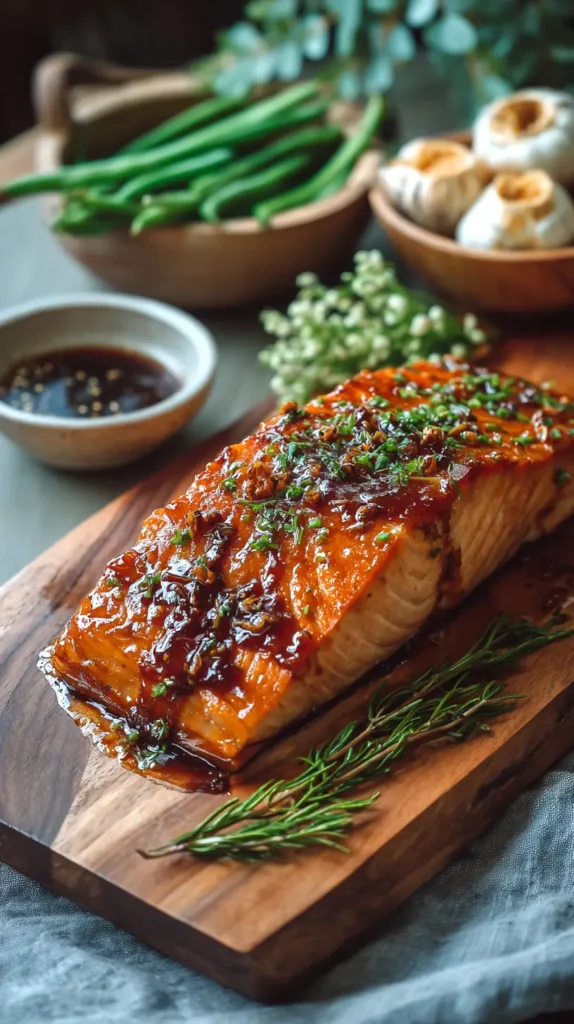
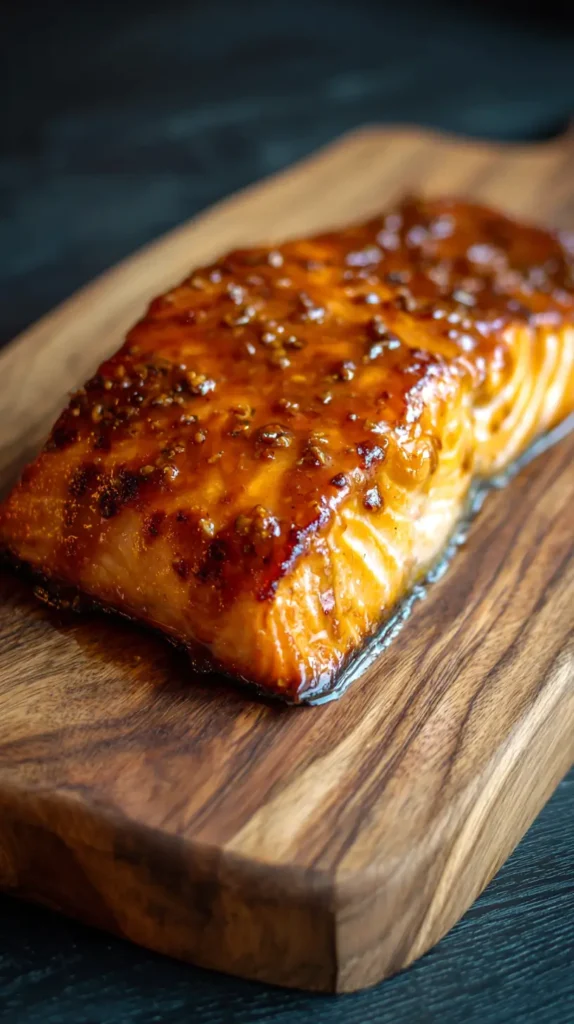
Once you master the base recipe, small changes keep things interesting. Maple glazed salmon welcomes thoughtful variation. Keep changes controlled for best results.
For citrus brightness, add orange zest to the glaze. Use one teaspoon finely grated zest. It lifts sweetness without overwhelming.
For mild heat, add a pinch of red pepper flakes. Start with 1/8 teaspoon. Heat should whisper, not shout.
Ginger pairs beautifully with maple. Add one teaspoon freshly grated ginger to the glaze. It adds warmth and aroma.
Here are simple variation ideas:
- Swap Dijon for whole-grain mustard.
- Add a teaspoon of apple cider vinegar.
- Finish with a squeeze of lemon juice.
- Sprinkle toasted sesame seeds on top.
Avoid stacking too many changes. One or two adjustments keep balance intact. Too many flavors blur the point.
If cooking for kids, keep the original version. Simplicity often wins there.
These variations work because the base stays strong. Maple glazed salmon supports creativity without losing identity.
When recipes invite flexibility, they stay exciting. Small tweaks extend enjoyment without stress.
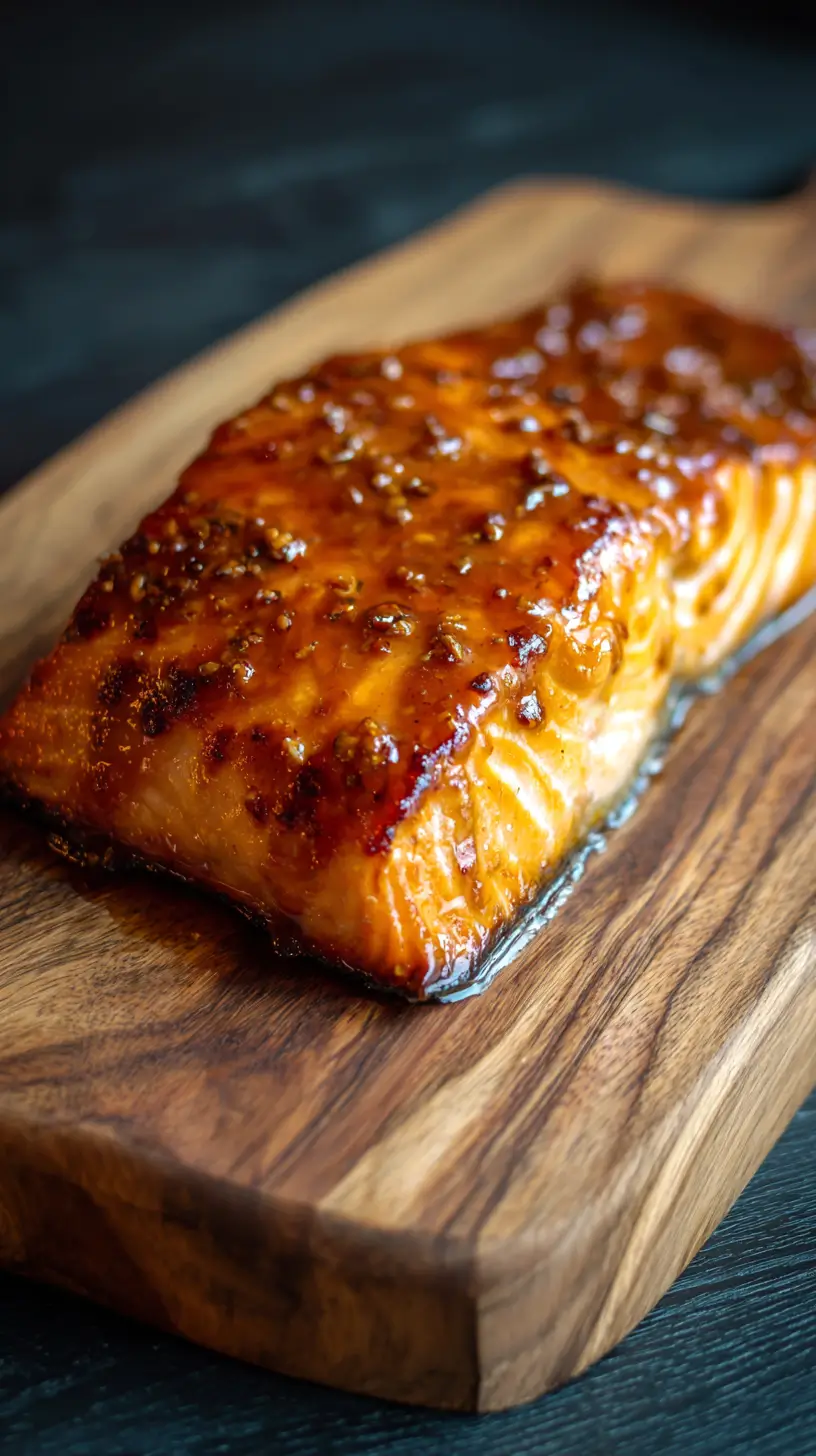
Maple Glazed Salmon
Ingredients
Method
- Preheat the oven to 400 degrees Fahrenheit.
- Line a rimmed baking sheet with parchment paper or foil.
- Place the salmon fillets on the prepared baking sheet, spacing them evenly.
- Pat the salmon dry with paper towels.
- Season the salmon evenly with the salt and black pepper.
- In a small bowl, whisk together the maple syrup, soy sauce, Dijon mustard, olive oil, and minced garlic until smooth.
- Spoon half of the glaze evenly over the salmon fillets.
- Place the baking sheet in the oven and bake for 12 minutes.
- Remove the salmon from the oven and spoon the remaining glaze over each fillet.
- Return the salmon to the oven and continue baking for 4 to 6 minutes, until the salmon flakes easily with a fork and appears opaque.
- Remove the salmon from the oven and let it rest for 2 minutes before serving.
- Garnish with green onions or herbs if desired, then serve warm.
Tried this recipe?
Let us know how it was!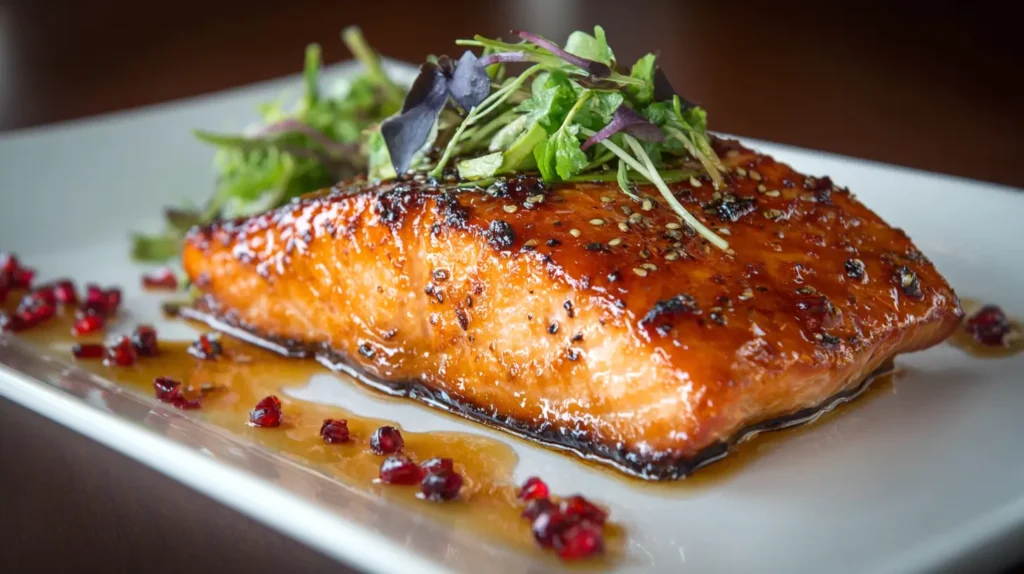
Last Few Thoughts and Ideas
Some recipes quietly earn trust over time. Maple glazed salmon fits that category. It behaves well, tastes balanced, and respects your energy. I appreciate recipes that don’t demand attention every second.
I’ve found that dependable dinners reduce mental load. When steps stay clear, cooking becomes less reactive. That calm matters after long days.
This recipe also adapts to different seasons. It works during warm Florida evenings when I want quick oven time. It also suits cooler nights when comfort matters. That flexibility keeps it relevant.
Sharing food matters too. Dishes like this support connection without pressure. You can serve it casually or dress it up. Either way, it delivers.
I also value how approachable this recipe stays. Nothing about it feels exclusive or trendy. It respects real kitchens and real schedules.
If you enjoy saving reliable recipes, this one belongs on your Pinterest board. It earns repeat visits.
Cooking doesn’t need constant reinvention. Sometimes, it needs a solid favorite. Maple glazed salmon offers that steady reassurance.
Good food supports everyday life. That’s the goal here.