A summer fruit platter sounds simple until you’re staring at six containers of berries and one enormous watermelon. Suddenly, the casual party tray has become a tiny produce-based identity crisis. I’ve found that fruit looks effortless only after someone makes several oddly specific decisions. That someone is usually standing barefoot in the kitchen, holding a melon baller like it’s serious equipment.
Still, I love the whole idea. A bright fruit tray makes a table look generous, fresh, and slightly more organized than reality. It also works for almost every summer event, from brunch to a backyard cookout. Nobody needs to know you rearranged the strawberries three times.
As a mom in Orlando, I also respect food that stays appealing in heat without becoming complicated. Summer parties here can feel like social events held inside a warm washcloth. Therefore, anything cool, colorful, and easy to grab earns immediate points.
The trick isn’t buying every fruit at the store. Instead, it’s choosing a few colors, cutting them well, and arranging them with confidence. That last part matters more than people admit. A pretty platter can include basic grapes and pineapple, yet still look delightfully fancy.
I’m sharing my favorite formula, exact measurements, simple cutting ideas, and small styling tricks. Some choices add drama, while others prevent your tray from turning watery and sad. We’ll also get into kid-friendly shapes, party portions, serving ideas, and storage.
There’s one arrangement choice that changes the entire look. Oddly enough, it has nothing to do with expensive fruit. Keep reading, because that tiny shift does most of the heavy lifting.
A few links on this page are affiliate links, so if you click and buy, I might earn a small commission. It never costs you more, and it helps support the site. You can read my full disclosure if you’re into the fine print.
Summer Fruit Platter Ideas That Look Effortless
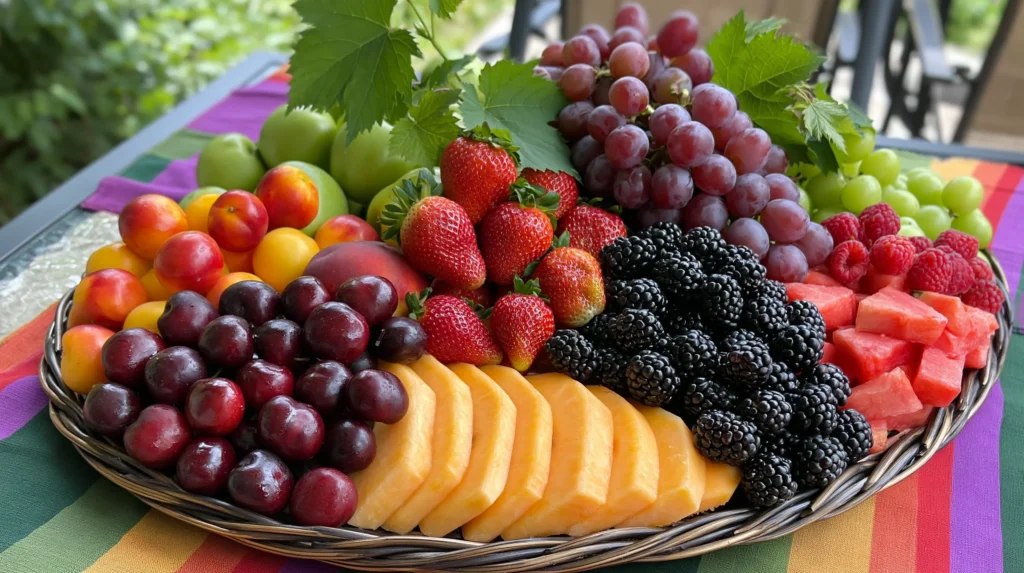
The best summer fruit platter doesn’t look perfect. It looks abundant, relaxed, and quietly planned. That distinction saves us from carving twelve kiwi roses before anyone arrives. I enjoy a little flourish, but I also enjoy keeping my afternoon.
Start with contrast, because contrast creates the first little spark. Pair pale pineapple with dark blueberries, or green grapes with red watermelon. Then mix smooth shapes with rougher cuts. Round melon balls beside sharp pineapple wedges look far more interesting than identical cubes.
Here’s the surprising part: more fruit doesn’t always create a prettier tray. Too many colors can make the display look busy. Instead, choose five to seven fruits with clear differences. A limited mix looks deliberate, even when the ingredients came from a regular grocery run.
Shape matters next. Long slices pull the eye across the tray, while small berries fill awkward spaces. Larger pieces create structure, so place those first. Afterward, tuck grapes, cherries, or berries into the open areas.
I tend to notice that empty space makes people nervous. We keep adding grapes until the platter resembles a produce drawer after grocery day. However, a few small gaps help each fruit stand out. They also make serving easier.
Choose a platter with a slight rim whenever possible. Juice stays contained, and blueberries stay where you put them. White trays make colors look brighter, while wood boards add a casual garden-party mood.
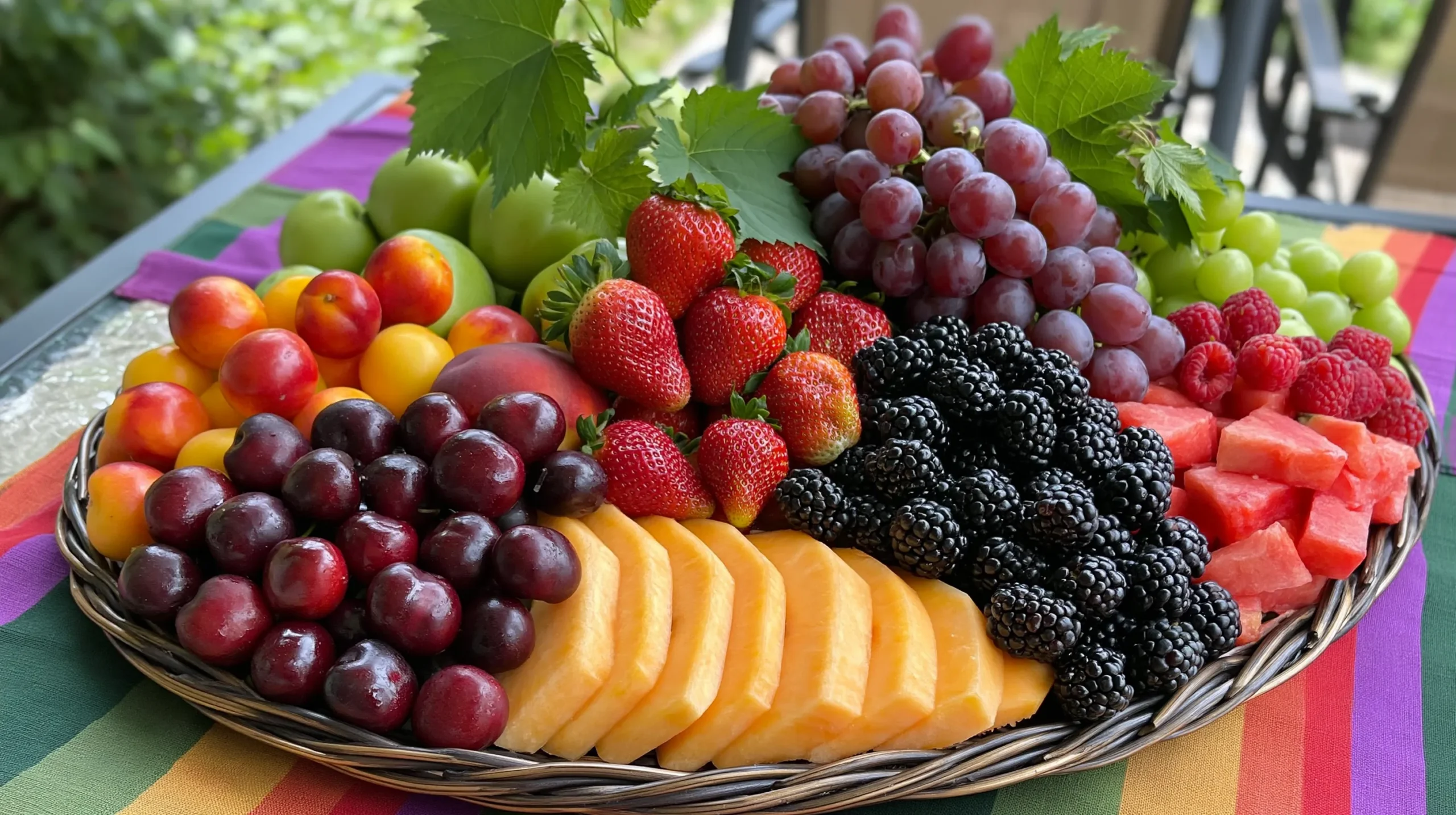
Finally, don’t spread every fruit evenly. Group each type into loose sections, then let those sections touch. This creates movement without creating visual clutter. It’s the difference between a fruit display and a cafeteria tray.
That arrangement choice I mentioned earlier? Group, don’t scatter. It sounds almost too simple, yet it changes everything.
Choosing Fruit Without Overthinking It
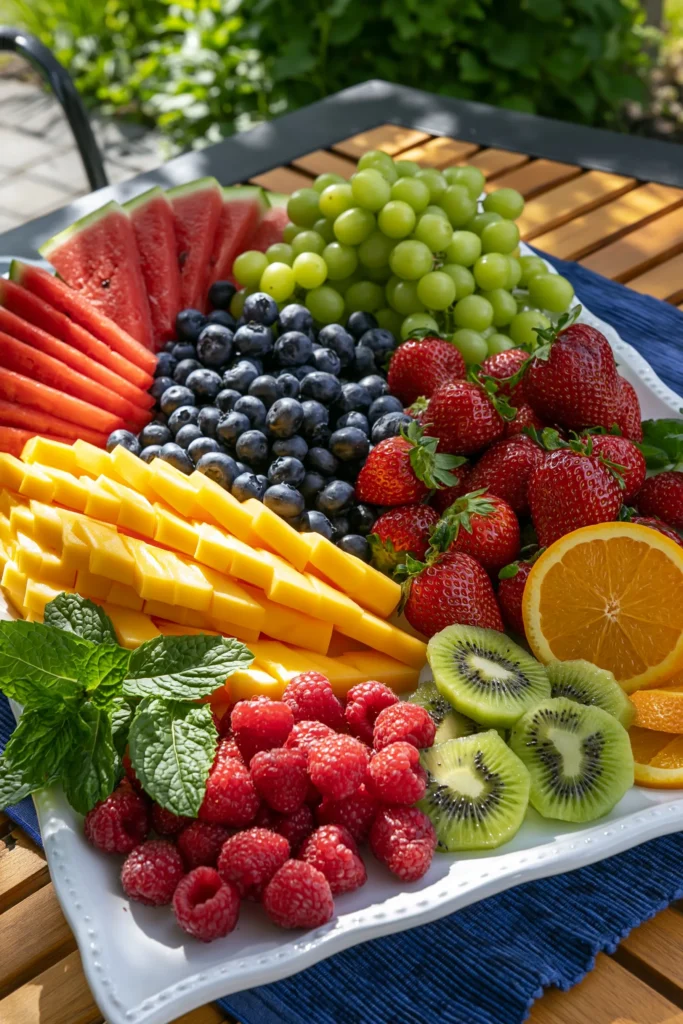
Shopping for fruit can become weirdly competitive. One minute, you need strawberries. Five minutes later, you’re comparing dragon fruit like a tiny produce judge. I support one unusual choice, but the whole tray shouldn’t require research.
For a balanced summer fruit platter, I use five simple roles. Each role adds color, shape, or texture. You don’t need every possible fruit, because nobody awards medals for maximum melon variety.
- One juicy anchor: Watermelon, cantaloupe, or honeydew creates volume.
- One bright fruit: Pineapple, mango, or oranges adds sunny color.
- One dark fruit: Blueberries, blackberries, or dark grapes adds contrast.
- One crisp fruit: Green grapes, apples, or firm pears adds bite.
- One soft accent: Strawberries, raspberries, or ripe peaches adds tenderness.
Season matters, but ripeness matters more. A fancy peach that bruises during cutting won’t help the platter. Meanwhile, humble grapes can look gorgeous when they’re firm and cold. That’s a useful little reframe.
I also skip fruits that brown quickly unless I serve them right away. Bananas become questionable within minutes, and sliced apples need lemon water. Pears can work, but they need the same treatment.
Seedless fruit keeps the whole experience easier. Therefore, choose seedless watermelon and grapes whenever possible. Cherries look lovely, though guests still need somewhere for the pits. A small empty bowl solves that problem without drama.
Think about who’s eating, too. Kids often prefer familiar fruit, while adults may enjoy figs or sliced kiwi. Still, familiar doesn’t mean boring. Different cuts can make basic fruit look fresh and fun.
My rule is simple: buy the best-looking fruit, not the most impressive fruit. Color catches attention first. Flavor keeps people circling back for another generous helping.
The Pretty Summer Fruit Platter Formula
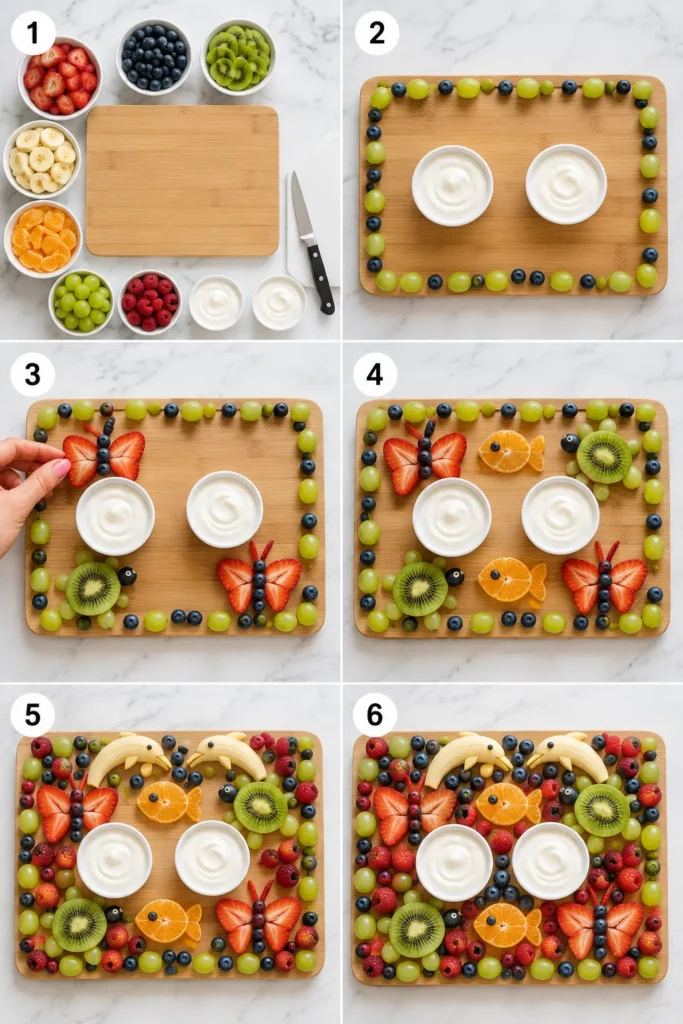
A pretty tray needs a starting point, or everything gets placed with nervous little movements. I begin with the largest fruit pieces. Those pieces create the basic path, almost like broad brushstrokes across the platter.
Watermelon wedges work well along one edge. Pineapple spears can angle from the opposite side. Then grapes can curve between them, creating a loose S-shape. That curve keeps the display from looking stiff.
Next, I add medium pieces, such as strawberries, kiwi slices, and orange rounds. I overlap them slightly, rather than arranging them in neat rows. Perfect rows look tidy, but they can also look like hotel breakfast. We’re aiming for pretty party food, not continental breakfast lighting.
Then come the berries. Blueberries and raspberries fill narrow spaces without hiding the larger shapes. However, I don’t sprinkle them everywhere. Small groups look richer and photograph better.
Color should move around the platter, yet each shade needs a clear home. For example, place red fruit in two areas, not six. Repeat green in another corner for balance. This creates rhythm without making the layout obvious.
Height adds another layer. Stack grapes gently, lean pineapple pieces, and mound berries near the center. A completely flat tray can still taste wonderful, but it photographs less dramatically. That may not matter until someone reaches for a phone.
Here’s my slightly dramatic opinion: garnish should earn its spot. Mint looks fresh, but too much can cover fruit. Edible flowers can look lovely, though they must be food-safe. Use either one sparingly.
The final move seems almost backward. Remove one or two pieces after filling the tray. That small edit creates breathing room and makes the whole summer fruit platter look more confident.
The Exact Fruit Tray Recipe
This recipe fills one large 18-inch platter and serves about 12 people. It works as a side, not the only snack. For a longer party, I’d plan extra fruit nearby for easy refills. A small covered bowl works perfectly for that backup supply. For the full recipe, you’ll need:
- 6 cups seedless watermelon, cut into 1-inch cubes or small wedges
- 3 cups fresh pineapple, cut into 1-inch chunks or short spears
- 2 cups seedless green grapes, washed and dried
- 2 cups strawberries, hulled and halved
- 1 1/2 cups blueberries, washed and dried
- 1 1/2 cups cantaloupe, cut into balls or cubes
- 3 kiwis, peeled and sliced into half-moons
- 2 tablespoons fresh lime juice
- 1 tablespoon honey, optional
- 2 tablespoons chopped fresh mint, optional
- Food-safe edible flowers, optional for decorating
That amount gives you roughly 16 cups of fruit. Allow about 1 1/4 cups per person for generous servings. If other desserts are available, one cup per guest usually works.
Fruit size changes the final volume, so don’t chase perfect numbers. A larger pineapple may leave extra pieces. Keep them chilled for refilling, smoothies, or tomorrow’s breakfast.
The lime and honey mixture adds shine, but it’s optional. I skip it when the fruit already tastes sweet. Otherwise, whisk both together and brush lightly over firm fruit. Avoid coating berries, because they soften faster.
You can also swap equal amounts without breaking the recipe. Replace cantaloupe with mango, or exchange blueberries for blackberries. However, keep the total volume close to 16 cups.
This isn’t a strict baking formula, thank goodness. Still, the measurements protect the color balance. That balance keeps the summer fruit platter bright and varied. Six cups of watermelon sounds excessive until the tray starts taking shape.
How to Build a Summer Fruit Platter
Preparation makes this easy, while rushed cutting creates a wet countertop situation. Give yourself about 35 minutes. Set the platter nearby before you begin cutting anything. Then chill the finished tray for up to two hours before serving.
- Wash and dry everything. Rinse all fruit under cool water. Dry it thoroughly with clean towels. Extra water shortens freshness and dilutes flavor.
- Cut the sturdy fruit first. Cube the watermelon and pineapple into one-inch pieces. Slice the kiwi into half-moons. Halve the strawberries, but leave smaller ones whole.
- Make the optional glaze. Whisk two tablespoons lime juice with one tablespoon honey. Brush a thin layer over watermelon, pineapple, and cantaloupe.
- Place the largest pieces. Arrange watermelon along one side of the platter. Angle pineapple from the other side. Add cantaloupe near the center for height.
- Create loose color groups. Add strawberries in two areas. Curve the green grapes between larger sections. Keep each fruit together rather than scattering everything.
- Fill the gaps. Tuck kiwi slices beside pale fruit for contrast. Spoon blueberries into narrow spaces. Stop before every inch disappears.
- Add the finishing details. Scatter chopped mint lightly, or add several food-safe flowers. Wipe juice from the platter’s rim.
- Chill before serving. Cover the tray loosely with plastic wrap. Refrigerate it for 30 minutes, then serve cold.
The order matters more than the exact placement. Large fruit gives the summer fruit platter structure. Small fruit finishes the picture.
One more thing: don’t arrange warm fruit. Cold pieces stay firmer, release less juice, and hold cleaner edges. That tiny choice keeps your carefully built tray looking crisp much longer.
Fancy Summer Fruit Platter Ideas Without the Fuss
Fancy fruit often looks complicated because the cuts carry the drama. Fortunately, one special shape can lift the whole tray. You don’t need to turn every strawberry into decorative architecture.
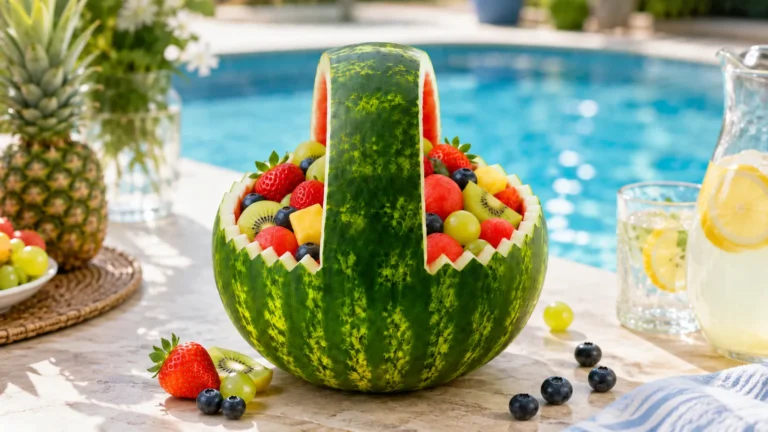
Try cutting watermelon into thick triangles with the rind attached. The green edge adds contrast, and guests get an easy handle. Pineapple leaves can also decorate the platter’s edge, though they shouldn’t touch ready-to-eat fruit.
For a softer fruit platter aesthetic, choose one color story. Pink, red, and orange fruit creates a sunset look. Green, white, and purple fruit creates a cooler, more polished mood. Neither approach requires rare ingredients or a specialty market.
A small bowl in the center also changes the mood. Fill it with vanilla yogurt, fruit dip, or whipped feta. Then arrange fruit around it in loose waves. This setup looks generous and gives the tray a natural focal point.
However, symmetry can become too formal. I prefer balance without matching sides. Place a large watermelon group on one end, then balance it with pineapple elsewhere. Your eye reads the weight, not the exact shape.
Texture helps, too. Keep some strawberries whole, halve others, and slice several into fans. Use melon balls beside wedges, or mix pineapple chunks with spears. Repeating one fruit in different shapes creates a custom look.
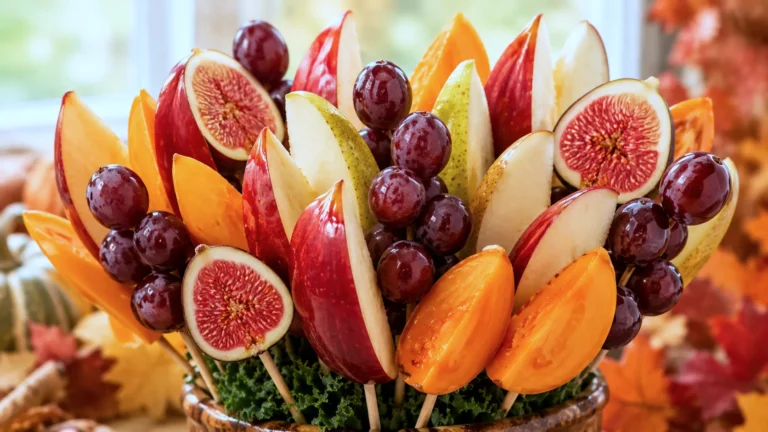
Here’s the sneaky shortcut: buy one beautiful fruit and let it set the tone. Fresh figs, golden kiwi, or dragon fruit can become the special detail. Everything else can stay familiar.
The best fancy tray still looks edible. If guests hesitate because the display seems precious, the styling went too far. Guests should reach into a good summer fruit platter without requesting written permission.

Cute Fruit Ideas for Kids and Parties
Kids notice shape before sophistication. Adults do too, but we often pretend otherwise. A playful fruit tray can still look polished enough for showers, brunches, birthdays, and casual family cookouts without looking childish.
For kids, keep pieces small enough to grab but large enough to manage safely. Slice grapes lengthwise for children under four. Also, remove pits, tough peels, and hard stems before serving. Try one of these easy themes:
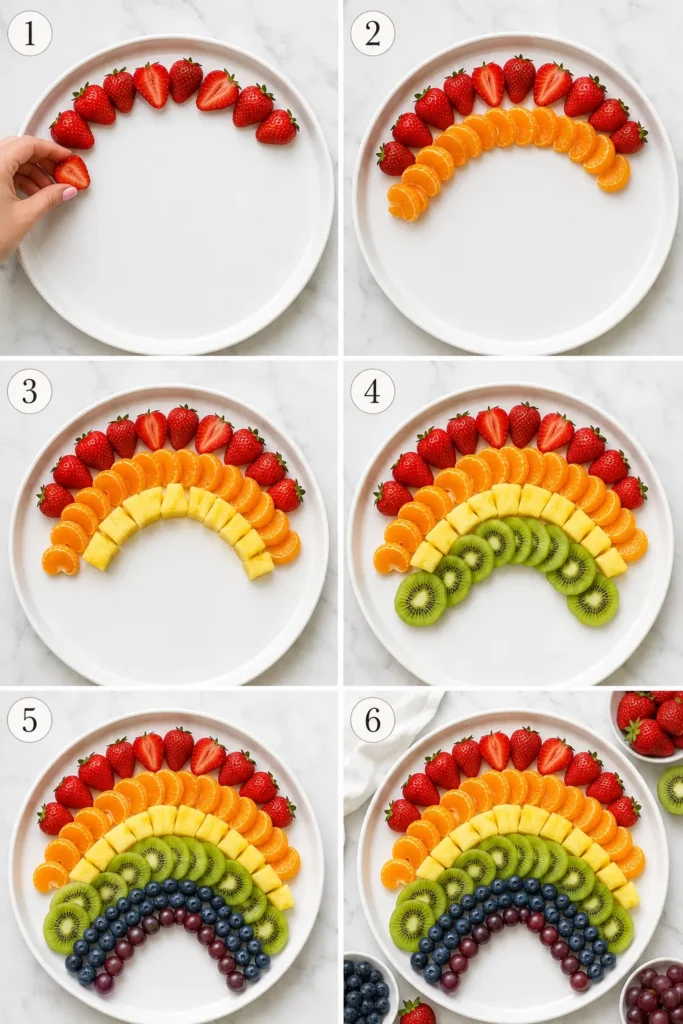
- Rainbow tray: Arrange strawberries, oranges, pineapple, kiwi, blueberries, and purple grapes in curved rows.
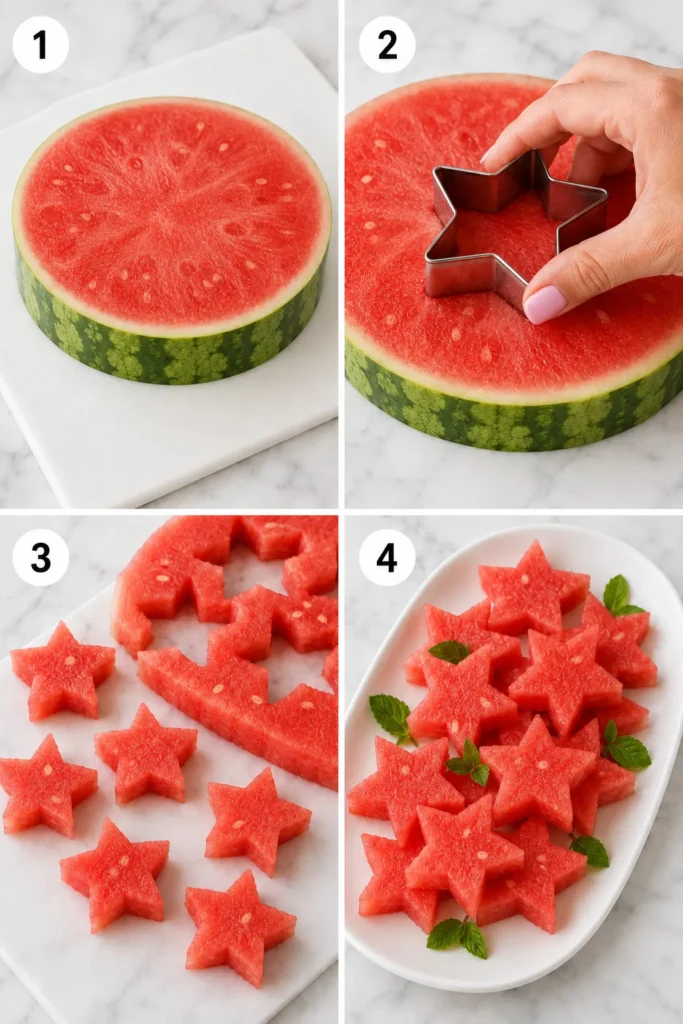
- Watermelon stars: Cut half-inch watermelon slices, then use a small star cutter.
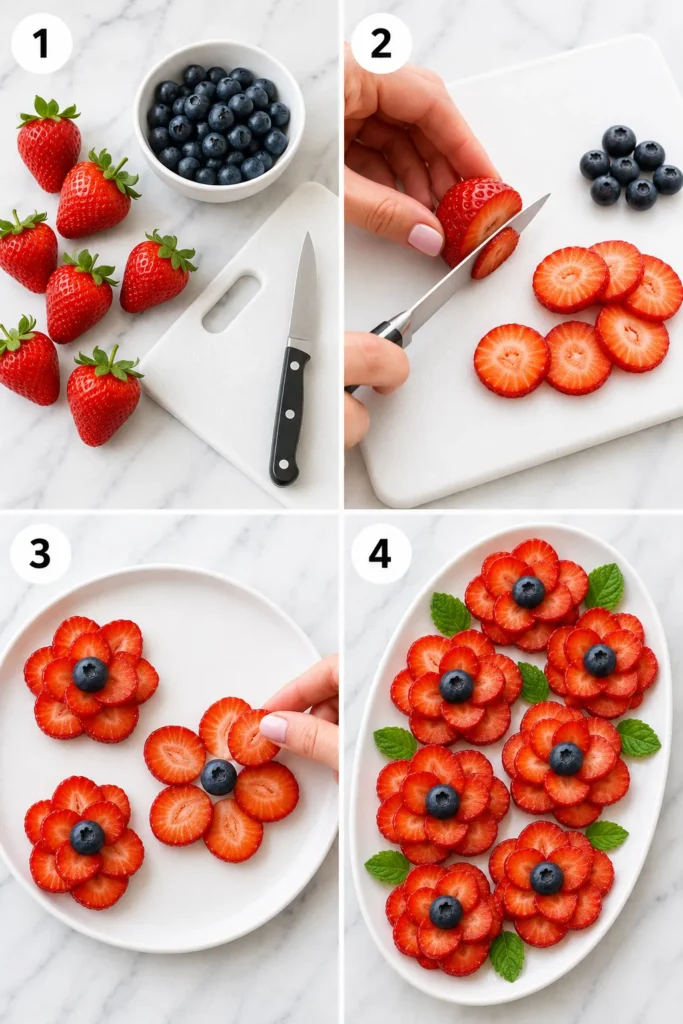
- Fruit flowers: Circle strawberry slices around a blueberry center.
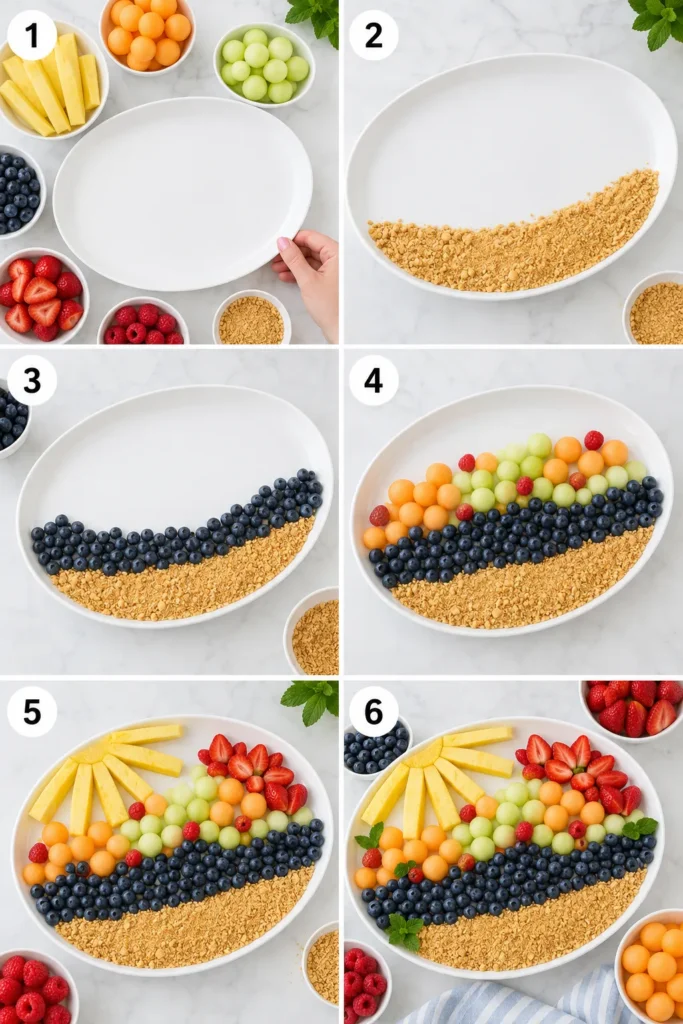
- Beach tray: Use pineapple spears, melon balls, berries, and crushed graham crackers on one edge.
- Animal snack board: Add fruit shapes around small bowls of yogurt dip.
For adult parties, the serving style can shift without changing the fruit. Add cocktail picks, small plates, and napkins near the tray. Then place a bowl for cherry pits or used picks nearby.
Serving suggestions can also stretch the platter beyond dessert:
- Pair it with muffins, eggs, and yogurt at brunch.
- Serve it beside grilled chicken, burgers, or sandwiches.
- Add cheese, crackers, and nuts for a larger snack board.
- Offer vanilla dip, chocolate hummus, or lime yogurt.
- Spoon leftovers over oatmeal, pancakes, or ice cream.
One warning deserves attention. Wooden skewers look cute, but sharp points can become chaos around young children. Short paper picks or small forks usually work better.
The common assumption says kid-friendly means cartoonish. It doesn’t. Bright color, simple shapes, and familiar fruit already bring plenty of fun. Your summer fruit platter can charm children without wearing plastic eyeballs.

Keeping Fruit Fresh Before the Party
A beautiful tray can lose its sparkle when it sits in juice. The main defense is simple: dry the fruit well. Water left after rinsing quickly gathers beneath berries and melon.
I prepare sturdy fruit several hours early, then store each type separately. Watermelon, pineapple, grapes, and cantaloupe handle advance cutting well. Strawberries and kiwi look better when sliced closer to serving.
Can I make the platter the night before? You can cut most fruit ahead. However, arrange the tray the same day for the freshest look. Store cut fruit in separate airtight containers overnight.
How long can a fruit tray sit out? Keep it outside refrigeration for no longer than two hours. On very hot days, limit that time to one hour. Orlando heat does not negotiate.
How do I stop the platter from getting watery? Drain cut melon before arranging it. Pat pineapple and berries dry again if needed. Also, avoid pouring glaze over the finished tray.
What fruit should I avoid? Skip bananas unless serving immediately. Apples and pears need lemon water to prevent browning. Overripe peaches can become messy before guests arrive.
How long do leftovers last? Refrigerate leftovers within two hours. Store them in an airtight container for up to three days. Softer berries may need to be eaten sooner.
Cover the summer fruit platter loosely, because tight wrap can crush delicate pieces. If space allows, place the entire tray in the refrigerator. Otherwise, keep fruit chilled separately and assemble it later.
The surprising truth is that freshness starts before cutting. Choose firm, ripe fruit without bruises. Good storage can protect quality, but it can’t rescue aging berries or soft melon.

The Tray Everyone Keeps Circling
I like party food that gives the table some energy without demanding a full performance. A summer fruit platter does exactly that. It looks cheerful, travels well, and welcomes almost everyone.
Still, the best part happens after the arranging. Someone takes the first strawberry, and the careful design loosens. Soon, people start comparing the pineapple with the watermelon. The tray becomes part of the gathering instead of untouched decoration.
As a mom in Orlando, I’m deeply practical about anything served during summer. Cold fruit makes sense when the air feels warm enough to wear. It also gives kids something bright between chips, cake, and every beige snack known to humanity.
I’ve found that the prettier trays don’t require more skill. They require a few better decisions. Choose strong colors, use different cuts, and group each fruit. Then stop before the platter becomes crowded.
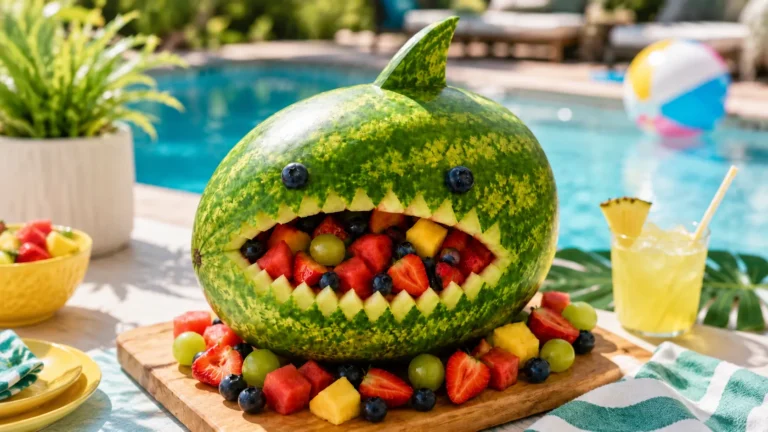
You can save elaborate fruit carvings for another day. Perhaps that day includes extra time, calm music, and nobody asking where their shoes are. For most parties, a star cutter and good pineapple will add plenty of drama.
Pinterest may suggest a tray shaped like a peacock with eighty-seven grape feathers. Admire it. Save it, even. Then make the version that fits your real afternoon.
That’s the sweet spot I keep coming back to. The fruit looks special, but the process stays sane. Everyone gets something fresh, and you still get to enjoy the party.
Pretty enough for pictures. Easy enough for real life. That’s my kind of centerpiece.