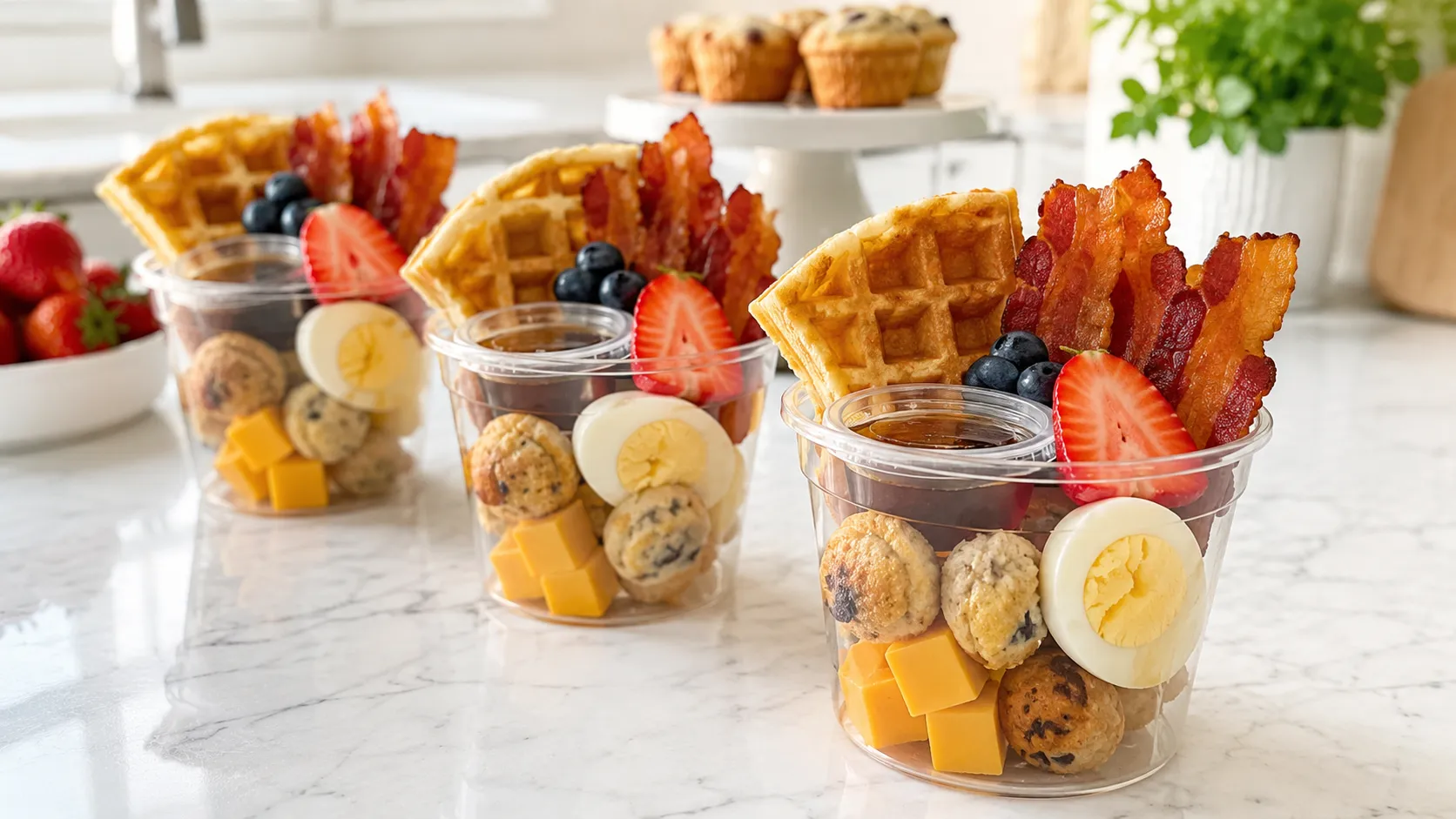
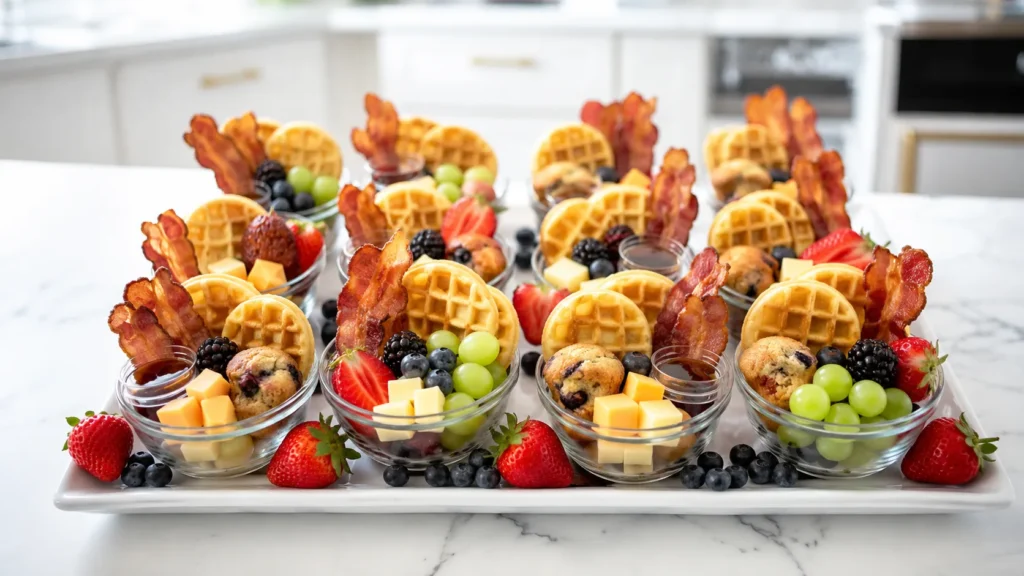
Breakfast charcuterie cups sound fancy, but they’re really tiny brunch boards with better boundaries. Nobody has to hover over one giant tray, silently judging the strawberry situation. Each cup keeps breakfast cute, tidy, and very “yes, I planned this,” without demanding chef energy before coffee.
I tend to notice breakfast gets weird when people want different things. One person wants sweet. Another wants salty. Someone always wants “just a little,” which somehow means half a waffle. These cups handle all that breakfast drama with a smile.
As a mom living in Orlando, I respect breakfast ideas that work before the day gets blazing hot. Cute food should not require emotional labor and three sink loads. That’s my official brunch stance, and I’m sticking to it with coffee nearby.
Maybe that’s why this idea hits the sweet spot. It looks party-ready, but it doesn’t ask for a spreadsheet. You can set out real food, real portions, and real choices without making breakfast weird.
So, yes, these cups look pretty. However, they’re also practical, flexible, and shockingly forgiving. You can make them cozy, crisp, fruity, savory, or all-out brunch-party cute. Better yet, you can make them match the people eating them.
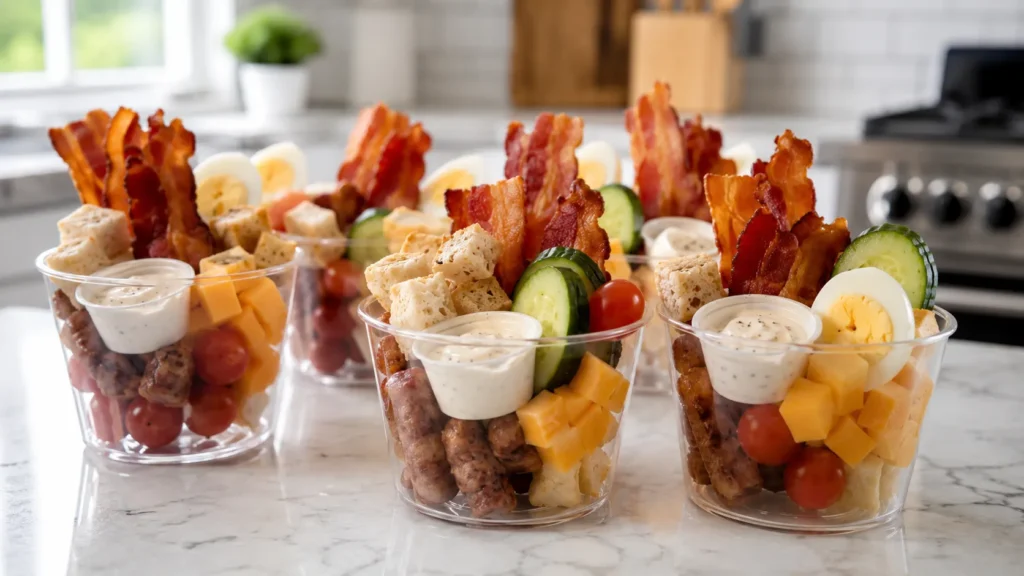
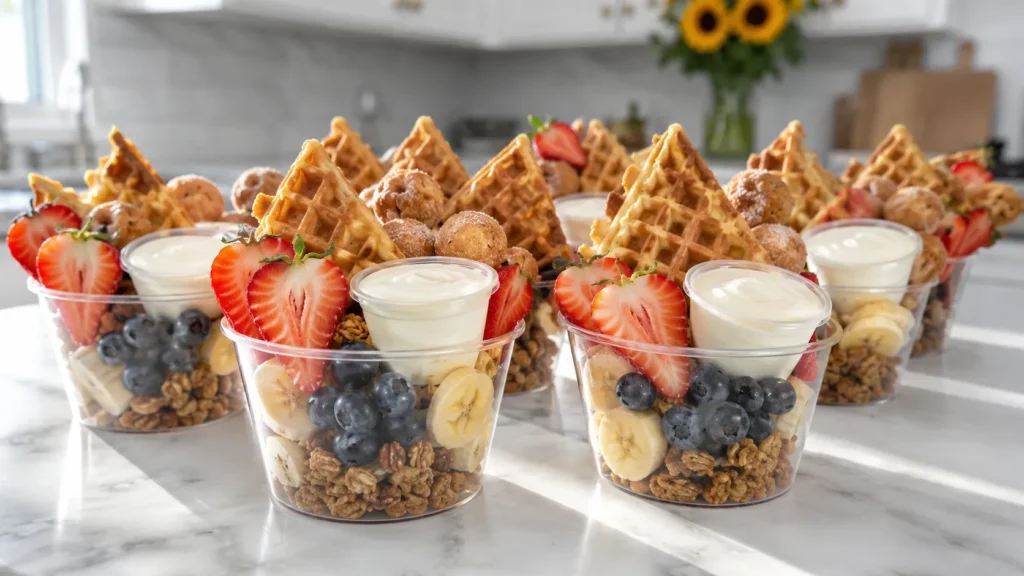
A sweet tooth gets berries and waffles. The savory crowd gets bacon, eggs, and cheese. Kids get something grabby, while adults get something pretty.
Nobody needs a lecture about balance before brunch. That’s rude, frankly.
The best part comes later, though. Real charm isn’t the cup. It’s the way the layers do the work. Once that clicks, the whole setup gets easier.
A few links on this page are affiliate links, so if you click and buy, I might earn a small commission. It never costs you more, and it helps support the site. You can read my full disclosure if you’re into the fine print.
Why Breakfast Charcuterie Cups Make Brunch Easier
Breakfast charcuterie cups solve the biggest brunch problem without making a big scene about it. They give each person their own serving, so nobody has to reach across the table. That sounds small, but it changes the whole mood fast.
I’ve found that people relax when food already looks portioned and ready. Nobody studies the platter like it’s a math problem with blueberries. Instead, they grab a cup, see something cute, and move along with their coffee.
Beautiful, efficient, and slightly smug in the best way. Also, that little grab-and-go moment keeps the table moving.
The sneaky win comes from variety. A regular breakfast plate can look plain fast. However, one small cup can hold sweet, salty, creamy, crunchy, and fresh bites. That contrast makes breakfast feel more fun without making you cook eight dishes.
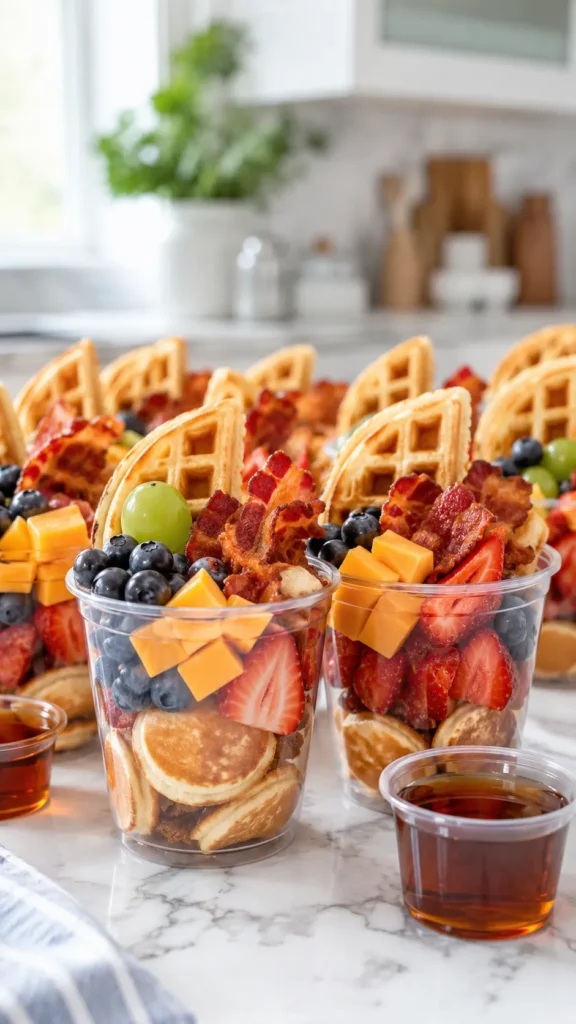
Here’s the part I like most. These cups look styled even when the ingredients stay simple. Mini waffles, berries, cheese cubes, and bacon can look party-ready with the right stack. Fancy often means ordinary food standing upright with confidence.
Another nice thing? They fit real life. You can use disposable cups, glass jars, ramekins, or little snack bowls. Clear cups show the layers, which helps for Pinterest photos. Paper cups work better when kids, crowds, or quick cleanup matter more.
Breakfast charcuterie cups also help with picky eaters. One cup can lean sweet. Another can lean savory. Suddenly, breakfast doesn’t need one perfect menu. It needs a smart little system, which feels much more reasonable before noon.
And truly, that’s the quiet genius here. Tiny breakfast with big personality can save the whole table. It also makes refills easier, because you can replace one cup instead of rescuing a tray. That little detail matters when the morning starts moving fast.
The Best Ingredients For Sweet And Savory Cups
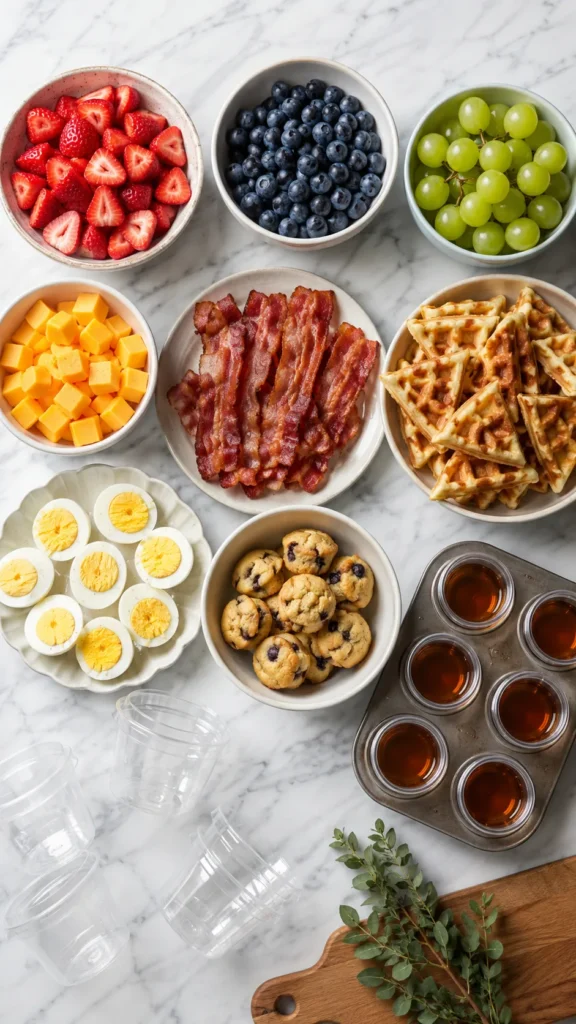
The best breakfast charcuterie cups start with ingredients that hold their shape. Soft foods matter, too, but sturdy bites build the cup. Otherwise, everything sinks into a sad little pile, and nobody wants that before 9 a.m.
I like mixing familiar breakfast items with a few pretty extras. That way, the cups feel special without needing rare ingredients. Keep the flavors easy, but give the textures some drama. Brunch loves drama when it stays on the plate, so I’d start with these ingredient groups:
- Mini breads: pancake bites, mini waffles, biscuit pieces, bagel chunks, or croissant cubes
- Proteins: crispy bacon, sausage links, ham cubes, egg halves, or turkey bacon
- Fruit: strawberries, blueberries, grapes, orange wedges, melon balls, or banana slices
- Creamy bites: yogurt cups, whipped cream cheese, honey butter, or peanut butter dip
- Savory extras: cheddar cubes, mozzarella balls, cucumber slices, tomatoes, or avocado chunks
- Sweet extras: mini muffins, donut holes, granola clusters, chocolate chips, or cinnamon bites
However, don’t cram every idea into one cup. That’s where breakfast charcuterie cups can turn chaotic. Pick one main direction first. Sweet cups might use waffles, berries, yogurt, and granola. Savory cups might use eggs, bacon, cheese, and biscuit pieces.
Also, think about what won’t get mushy. Bananas taste great, but they brown fast. Avocado looks lovely, but it needs lemon juice. Pancakes hold up better when they cool first.
The real goal is balance. Each cup should have a “grab me first” piece near the top. Then the bottom can hold smaller bites, dips, or fruit. Pretty matters, but edible matters more.
For a cute finish, repeat one color or texture in every cup. Strawberries, cheddar cubes, or blueberries can tie the tray together fast.
Breakfast Charcuterie Cups Need A Smart Base
The base matters more than people think. I said what I said. Breakfast charcuterie cups can look adorable on top, but the bottom decides everything. Without a smart base, the cup turns into a breakfast junk drawer.
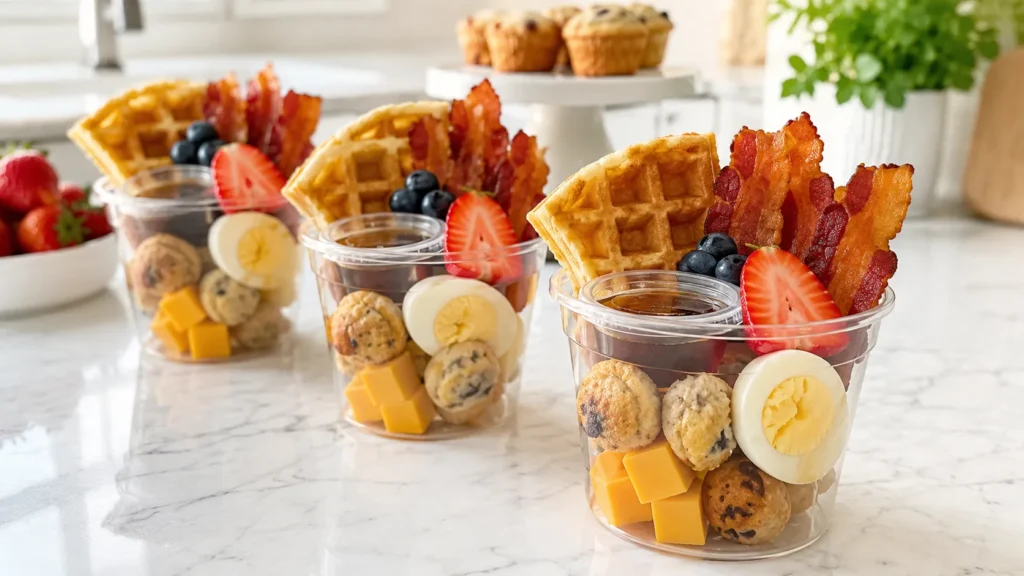
I like starting with something small and sturdy. Mini pancakes, waffle wedges, biscuit cubes, or bagel pieces can sit at the bottom. They soak up a little moisture without collapsing right away. However, I avoid anything too delicate down there. Croissants taste wonderful, but they can flatten when the cup gets heavy.
Then comes the anchor layer. That might be cheese, grapes, melon, or hard-boiled egg pieces. These items add weight and keep skewers from sliding around. Without that anchor, tall ingredients tilt like they’re making poor choices.
Here’s the little reframe. The cup doesn’t need to be filled like a parfait. It needs structure. Some pieces sit inside the cup, and some rise above the rim. That height makes everything look generous, even when the serving stays reasonable.
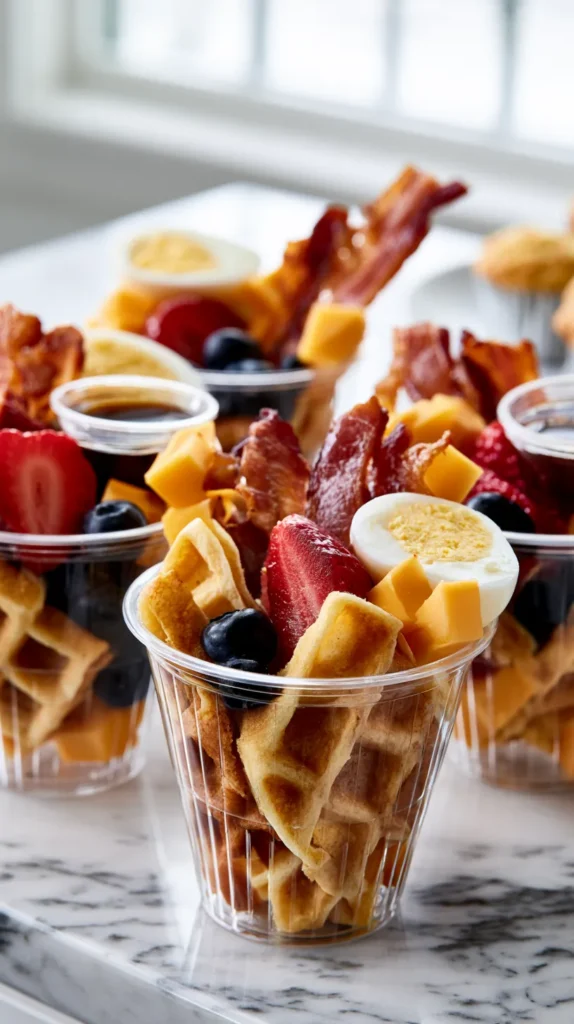
For a sweet cup, place mini waffles low, add berries, then tuck in yogurt. After that, a granola cluster or tiny muffin can peek out. For a savory cup, biscuit pieces work well under cheese cubes, bacon strips, and egg halves.
Breakfast charcuterie cups don’t need perfection. In fact, a little uneven height makes them look more relaxed. Too perfect can get oddly stiff. A little casual charm always wins brunch, especially when coffee hasn’t fully joined the chat.
So start low, build steady, and let the top have fun. Leave a little air near the rim, too. Crowded cups lose their shape faster. That’s where the next part earns its keep.
Simple Steps For Building Them Without Fuss
Building breakfast charcuterie cups goes smoother when you treat them like tiny snack maps. Start with the bigger pieces, then fill gaps with smaller bites. Also, keep wet ingredients separate unless they’re thick enough to behave. Syrup has no chill.
I’d build one sample cup first. Yes, that sounds mildly fussy. However, one test cup shows what fits before you fill twenty.
After that, the rest move quickly. It also keeps you from wasting the prettiest berries too early. I’d use this easy order:
- Choose the cup. Use 8-ounce to 12-ounce cups for most servings.
- Add a sturdy base. Try waffles, pancakes, biscuits, or bagel chunks.
- Place the anchor layer. Use grapes, cheese cubes, eggs, or melon.
- Add protein. Tuck in bacon, sausage, ham, or turkey bacon.
- Layer fruit or veggies. Add berries, tomatoes, cucumbers, or orange wedges.
- Include a dip. Use tiny cups for syrup, yogurt, butter, or cream cheese.
- Finish with height. Add a skewer, muffin bite, bacon strip, or waffle wedge.
Now, the order can change. That’s the nice part. However, I’d never start with syrup or juicy fruit at the bottom. That road leads straight to soggy town, and nobody packed boots.
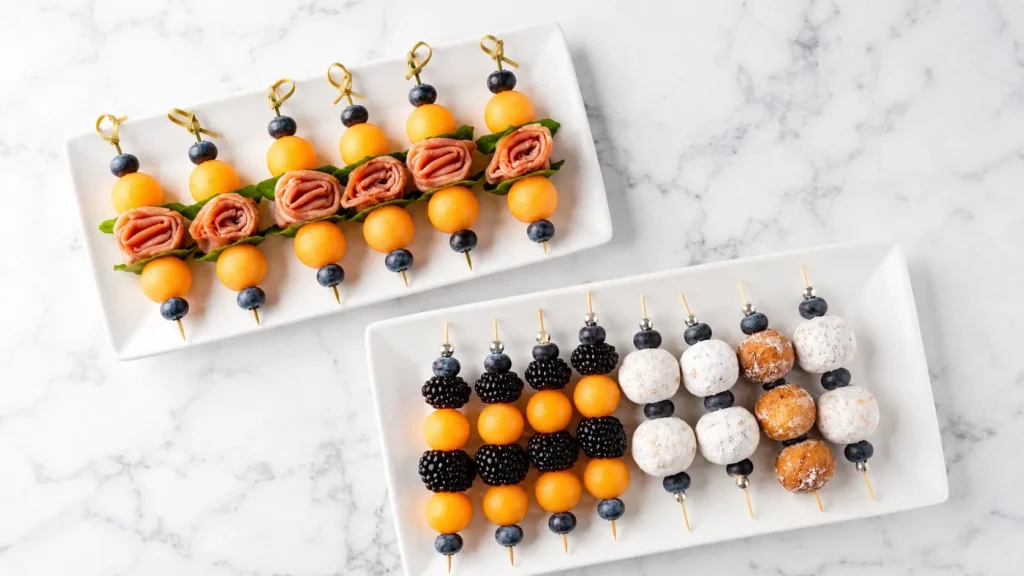
For prettier cups, use short skewers. Thread grapes, berries, pancake bites, or cheese cubes on them. Then place the skewer at an angle. It gives height without needing extra food.
The big surprise? Smaller servings often look better. Overfilled cups can look messy. Thoughtful layers make them look charming, not chaotic.
That’s the breakfast charcuterie cups lesson hiding in plain sight. The cup should look full, not stuffed. There’s a difference, and brunch notices.
Breakfast Charcuterie Cups For Kids And Adults
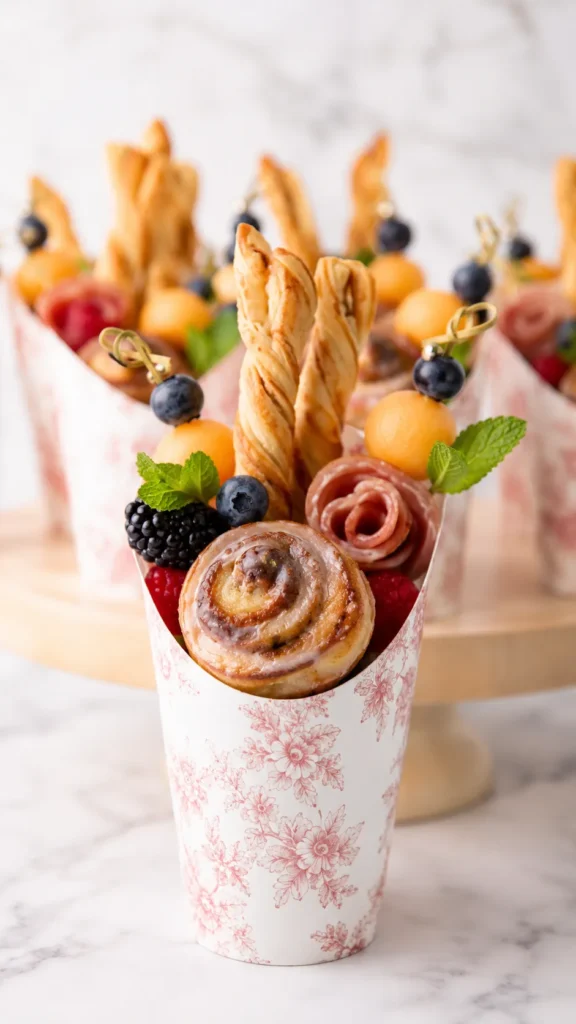
Breakfast charcuterie cups can lean playful for kids or polished for adults. The method stays the same, but the ingredients change the whole vibe. That’s why I like them for mixed ages.
For kids, I’d keep the flavors familiar. Mini pancakes, bacon, strawberries, grapes, and tiny muffins usually make sense. Add a small syrup cup, and the breakfast suddenly looks more exciting. However, the portions stay easy to handle, which matters when little hands appear.
For adults, the cups can get more brunchy. Think smoked salmon, cucumber, cream cheese, bagel bites, and dill. Or try prosciutto, melon, mini croissants, cheese, and berries. Nothing needs to be complicated. It just needs a little intention.
The common mistake is making adult cups too serious. Breakfast should still feel happy. A fancy bite can sit beside a donut hole, and nobody needs to call a meeting. This is brunch, not a boardroom retreat.
I also like the idea of making two styles. Sweet cups can sit on one tray. Savory cups can sit on another. That way, people choose their mood without asking twenty questions.
If kids grab their own, skip sharp skewers and use wider cups. For adults, bamboo picks look pretty and keep little bites stacked neatly. Safety and style can share a table, which feels rare and delightful.
Breakfast charcuterie cups work because they don’t force one version of breakfast. They let the sweet crowd and savory crowd coexist peacefully.
Frankly, that’s more than many brunch menus accomplish. A tiny cup can restore order, which sounds dramatic but also correct. It also keeps everyone from picking around a shared tray like breakfast detectives. That alone deserves applause.

Serving Suggestions That Make The Cups Look Polished
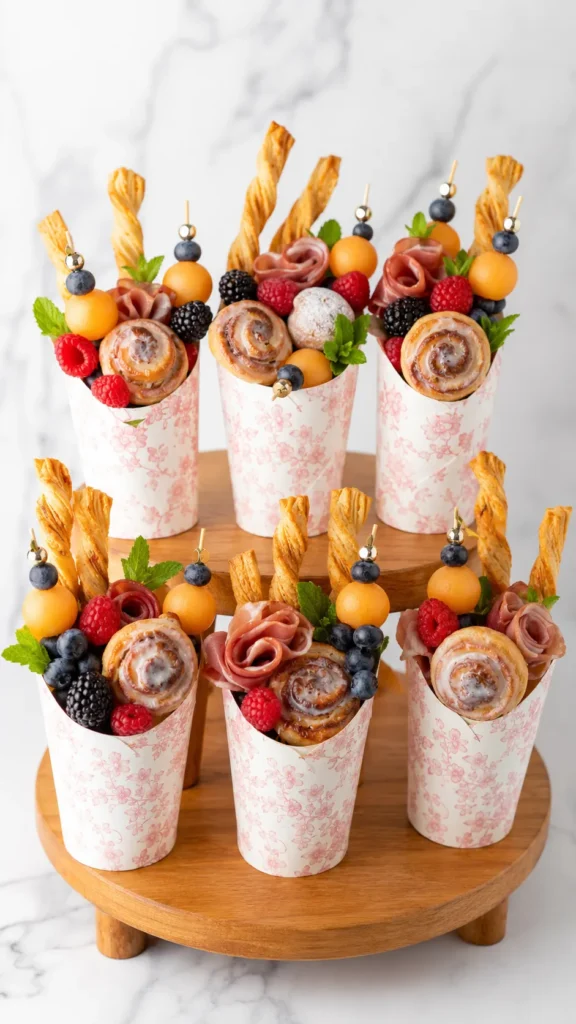
Serving breakfast charcuterie cups well doesn’t require a giant setup. It mostly requires smart grouping. When the cups sit together on a tray, they look intentional right away. Add drinks nearby, and breakfast gets a whole little personality.
I’d serve them cold, room temperature, or slightly warm, depending on the ingredients. Fresh fruit and yogurt cups should stay chilled. Pancake, waffle, bacon, and sausage cups can sit out briefly. Still, warm items taste best when added last. For a cleaner table, try these serving ideas:
- Place sweet cups on a white platter with extra berries around the edges.
- Serve savory cups on a wooden board with folded napkins nearby.
- Add tiny labels for “sweet,” “savory,” “kid-friendly,” or “gluten-free.”
- Pair them with coffee, orange juice, iced tea, lemonade, or mocktails.
- Set out extra syrup, jam, honey butter, ranch, or cream cheese dip.
- Use matching cups for a clean look, or mix jars for casual charm.
However, don’t make the table too crowded. Breakfast charcuterie cups already bring plenty of detail. A simple tray lets the ingredients show without looking busy. More stuff does not always mean more style. Sometimes it just means more napkins.
For a shower or holiday morning, line the cups in rows. At a relaxed family breakfast, place them in a basket with napkins. That feels cute but still practical. If serving outside, keep chilled cups over ice packs. Warm weather does not care about aesthetics.
The best serving move may be the easiest one. Keep backup ingredients in the fridge. Then refill cups as needed instead of overbuilding everything at once. Pretty food works harder when the person serving it gets to enjoy breakfast, too.
![[50 cups + 200 picks] 14 oz Disposable Charcuterie Cups with Sticks (White)](https://m.media-amazon.com/images/I/71CN9VZlkKL._SX342_.jpg)
Make-Ahead Breakfast Charcuterie Cups
Make-ahead breakfast charcuterie cups are possible, but they need boundaries. Not emotional boundaries, though those help, too. I mean moisture boundaries. Wet ingredients can ruin a plan faster than a missing serving spoon.
I’ve found that the smartest move is prepping ingredients ahead, then assembling closer to serving. Wash and dry fruit the night before. Cook bacon or sausage early, then reheat it lightly. Cut cheese, portion dips, and slice bagels ahead. Those tiny tasks save your morning brain.
Still, some items should wait. Bananas brown. Avocado darkens. Warm waffles steam inside cups and make everything soft.
Therefore, those pieces need last-minute attention. Annoying? A little.
Worth it? Usually. Fresh edges and crisp bites make breakfast charcuterie cups taste planned, not tired. That tiny texture difference carries the cup.
Here’s the better way to think about it. Don’t ask, “Can I make these ahead?” Instead, ask which parts you can prep ahead. That question saves the whole plan and keeps the cups fresh.
A strong make-ahead lineup might include berries, grapes, cheese cubes, hard-boiled eggs, mini muffins, and sealed dip cups. Then add bacon, waffles, pancakes, or toast pieces right before serving. The cups will taste fresher, and they’ll look cleaner.
Breakfast charcuterie cups can also hold up better when you layer dry items near wet ones with care. Put yogurt in a separate mini cup. Keep syrup covered. Use paper liners for muffins or pastry pieces if needed.
If you need to transport them, place finished cups in a deep tray. Cover the tray loosely with plastic wrap. Then keep chilled items cold until serving. Tiny cups, big boundaries. Brunch could learn a thing or two.

FAQs For Cute Brunch Cups
Breakfast charcuterie cups bring up practical questions fast, because cute food still needs to function. I get it. Nobody wants a gorgeous cup that turns soggy, tips over, or confuses people before coffee. The goal is pretty and useful, not pretty and stressful. Here are the questions I’d answer first:
- What Size Cups Work Best? Use 8-ounce cups for light servings. Choose 12-ounce cups for fuller brunch portions.
- Can I Make Them The Night Before? Prep most ingredients early. Assemble closer to serving for the freshest texture.
- How Many Cups Should I Make Per Person? Plan one cup for a side. Make two if they’re the main breakfast.
- How Do I Keep Them From Getting Soggy? Keep syrup, yogurt, and juicy items separate. Tiny lidded condiment cups help.
- Can I Make Gluten-Free Cups? Yes, use gluten-free waffles, muffins, bagels, or pancake pieces. Check every label.
- What’s The Easiest Version? Use mini waffles, strawberries, grapes, bacon, cheese cubes, and syrup cups.
- Can I Make Vegetarian Cups? Yes, skip meat and use eggs, cheese, fruit, nuts, yogurt, and veggies.
- What Should I Avoid? Avoid runny dips, overripe fruit, hot steamy waffles, and flimsy cups.
The best FAQ answer may be this: breakfast charcuterie cups should match your morning, not fight it. Use paper cups when your brunch needs quick cleanup. Choose glass jars when the table needs a prettier look. Make wider cups if kids will serve themselves.
That’s the quiet beauty here. The idea bends without breaking. You can make it sweet, savory, budget-friendly, fancy-ish, or kid-proof. Cute breakfast should have options. That’s why this idea works for brunch, holidays, showers, sleepovers, and slow Saturday mornings.

The Tiny Brunch Idea That Deserves More Credit
I love a breakfast idea that looks cheerful but still respects real life. Breakfast charcuterie cups do that in the most satisfying way. They’re cute without being fragile. You get fun without asking anyone to frost anything at dawn.
That already puts them high on my personal brunch list. Low-effort charm deserves more respect, especially when mornings already ask plenty.
As a mom in Orlando, I’ll always support food that works before the heat gets bossy. A bright tray of little breakfast cups feels sunny without requiring a whole production. Add fruit, bacon, waffles, and a few dips, and the table looks ready for company.
I also like how these cups photograph for Pinterest. They give people something easy to save, copy, and tweak. Plus, they answer the eternal brunch question in a very practical way. How do I make breakfast look pulled together without overdoing it? The cup does most of the visual work, which feels deeply fair.
Still, the real point isn’t perfection. It’s giving breakfast a little wink. Let one cup hold berries and waffles. Another cup can hold eggs and bacon. Then everyone chooses a tiny breakfast adventure with zero fuss.
Some brunch ideas try too hard. These just show up cute, useful, and ready for coffee. That’s the kind of breakfast energy I can fully support, preferably with syrup nearby. Because when breakfast looks this cute and still makes sense, we simply nod and pass the coffee. No committee needed.