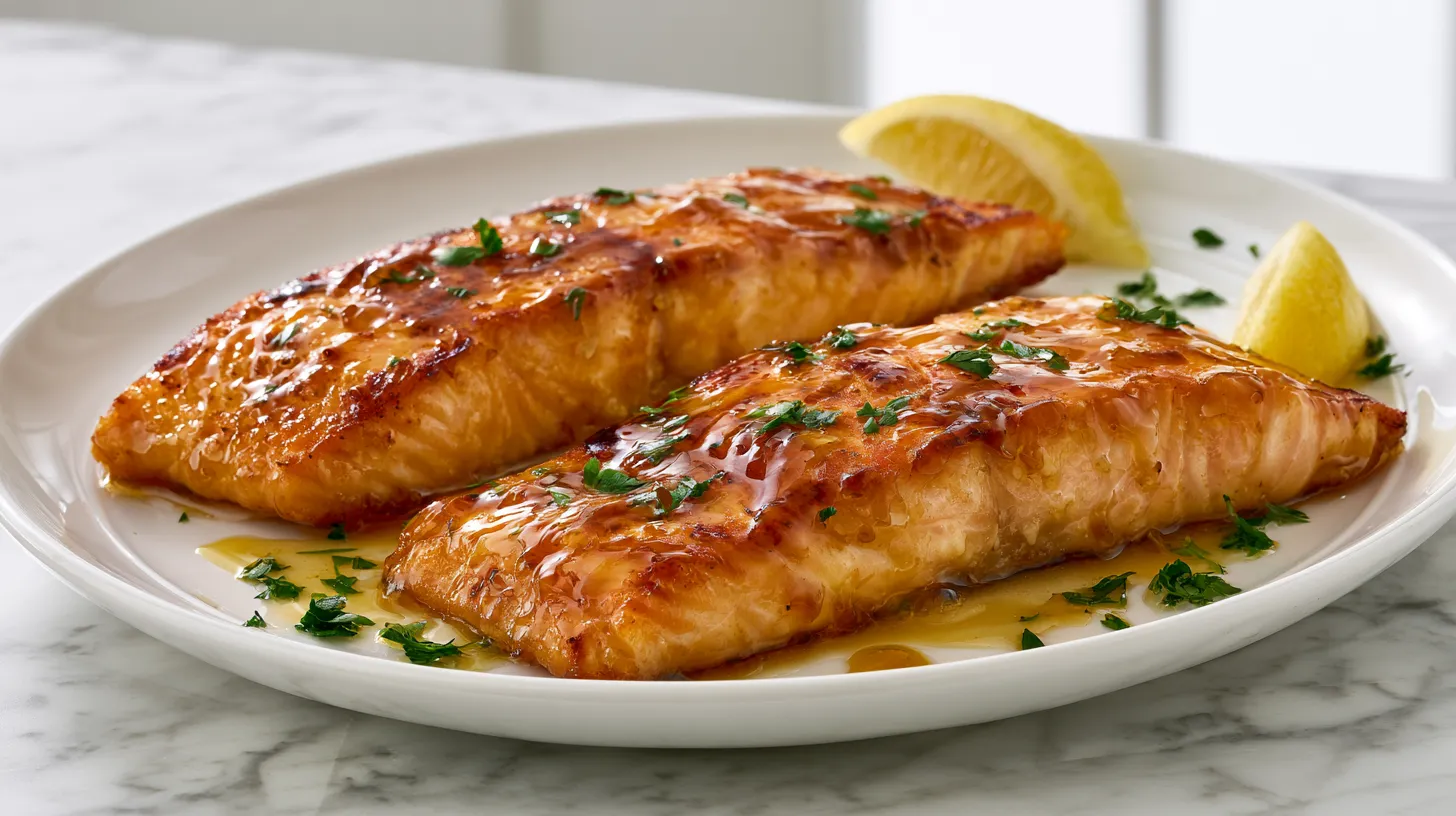
Honey-glazed salmon sounds like a dinner that should require confidence and maybe linen napkins. Then real life walks in with laundry, noise, and somebody asking what else there is to eat. A glossy meal can look special without requiring a dramatic kitchen performance.
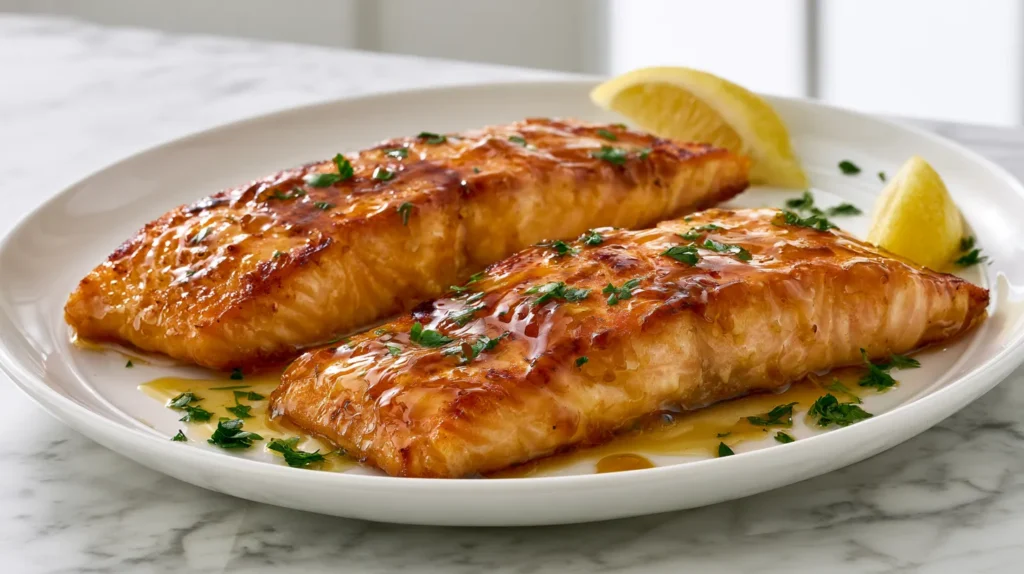
I’ve found that honey-glazed salmon hits that sweet spot nicely. It gives you rich salmon, sticky-sweet glaze, salty edges, garlic, lemon, and just enough shine. That sounds fancy. However, the whole thing still happens in one skillet, which keeps things very civilized.
Living in Orlando makes me crave dinners that taste bright, not heavy. Warm nights do not pair well with meals that sit like a brick. So I like salmon here because it cooks fast and still gives that “well, look at dinner” moment.
This recipe keeps the process simple, but not boring. We’ll cover ingredients, measurements, cooking steps, glaze timing, serving ideas, and tiny tips for avoiding dry salmon. Because dry salmon is a kitchen heartbreak, and I refuse to glamorize it. The goal is tender fish, glossy sauce, and a plate that looks far more planned than it was. Also, I want cleanup to remain reasonable, because nobody needs a sink full of evidence.
The key is not dumping honey into a skillet and hoping for charm, tempting as that sounds. There’s a better order, and it makes the glaze taste balanced instead of burnt. Once that part clicks, this dinner becomes much easier to trust.
A few links on this page are affiliate links, so if you click and buy, I might earn a small commission. It never costs you more, and it helps support the site. You can read my full disclosure if you’re into the fine print.
Why Honey-Glazed Salmon Works For Busy Nights
Honey-glazed salmon makes sense when I want dinner to look good without taking over the evening. I like recipes that create a little shine, but still respect the clock. This one gives you color, flavor, and a sauce that looks polished in minutes.
The flavor balance is the real reason it works. Honey brings sweetness, soy sauce adds salt, lemon adds brightness, and garlic adds sharp flavor. Butter gives the glaze a smoother finish. That combination keeps the salmon from tasting flat or too sweet.
A lot of people treat salmon like it requires restaurant-level focus. I get that because salmon costs more than chicken. Nobody wants to ruin four nice fillets while everyone waits nearby with hopeful faces. However, salmon cooks quickly, which can be a blessing.
The trick is using that speed with a little control. Start with a hot skillet, get quick color, then lower the heat. After that, the glaze can thicken without scorching. That small heat shift makes the whole recipe less stressful.
I also like that honey-glazed salmon can fit different dinners. Add rice and cucumbers for a fresh plate. For a cozier one, add mashed potatoes and green beans. The same recipe can go either direction, which helps when the fridge looks random.
Here’s the tiny reframe. This is not a fragile special-occasion recipe. It is a fast skillet dinner with a glossy finish. That makes it practical, and practical counts on normal nights.
Once you stop treating salmon like a test, the whole recipe gets calmer. And yes, the sauce still gets that pretty shine without demanding fancy tools.
The Ingredients That Keep The Flavor Balanced
The ingredient list stays short, which I deeply appreciate. A long recipe can be fun on a quiet afternoon. However, on a normal night, I want dinner without a scavenger hunt through the pantry.
For this honey-glazed salmon recipe, every ingredient adds a clear flavor. That matters because sweet glazes can go sideways fast. Extra honey tastes sugary. Too much soy sauce tastes salty. Excess lemon tastes sharp. Balance keeps the whole thing pleasant, bright, clean, and not too heavy.
Here’s what you’ll need:
- 4 salmon fillets, about 6 ounces each
- 1/3 cup honey
- 3 tablespoons low-sodium soy sauce
- 2 tablespoons fresh lemon juice
- 2 garlic cloves, minced
- 1 tablespoon olive oil
- 1 teaspoon Dijon mustard
- 1 tablespoon unsalted butter
- 1/2 teaspoon kosher salt
- 1/4 teaspoon black pepper
- 1/4 teaspoon red pepper flakes, optional
- 1 tablespoon chopped parsley, optional
- Lemon wedges, for serving
Fresh lemon juice makes the glaze taste brighter. Bottled lemon juice can taste flat, and this recipe benefits from real citrus. I would not overthink it, though. One fresh lemon should cover the amount needed.
Low-sodium soy sauce also helps. The sauce reduces as it cooks, so regular soy sauce can taste too intense. Starting with less sodium gives you more control.
Dijon mustard may look like the sneaky ingredient. It adds a mild tang and helps the glaze blend smoothly. You will not taste mustard in a loud way. Instead, it balances the honey.
If you like mild heat, add red pepper flakes. They add warmth without turning the recipe spicy. Skip them if you want a softer flavor.
How To Prep Honey-Glazed Salmon Before Cooking
Prep matters here, but not in a fussy way. Honey-glazed salmon cooks fast, so I like everything ready before the skillet heats. That means the salmon gets dried, the glaze gets mixed, and the pan gets attention.
Start by patting the salmon dry with paper towels. Dry salmon browns better because extra moisture creates steam. Steam is fine for vegetables, but it does not help the surface brown in a skillet. This tiny step changes the texture quickly.
Next, season both sides with kosher salt and black pepper. The glaze has plenty of flavor, but the salmon still benefits from seasoning underneath. I’ve found that a little salt before cooking makes the finished bite taste more complete.
Then mix the glaze in a small bowl. Whisk honey, low-sodium soy sauce, fresh lemon juice, minced garlic, Dijon mustard, and optional red pepper flakes. Stir until the honey loosens and the mixture looks smooth. This keeps the cooking process calm later.
Because once the salmon hits the skillet, time moves fast. That is not the moment to dig for mustard behind three jars of pickles. I say that with love and mild pantry trauma.
Let the salmon sit at room temperature for about 10 minutes before cooking. Cold salmon can cook unevenly. A short rest helps the fillets cook more smoothly from edge to center.
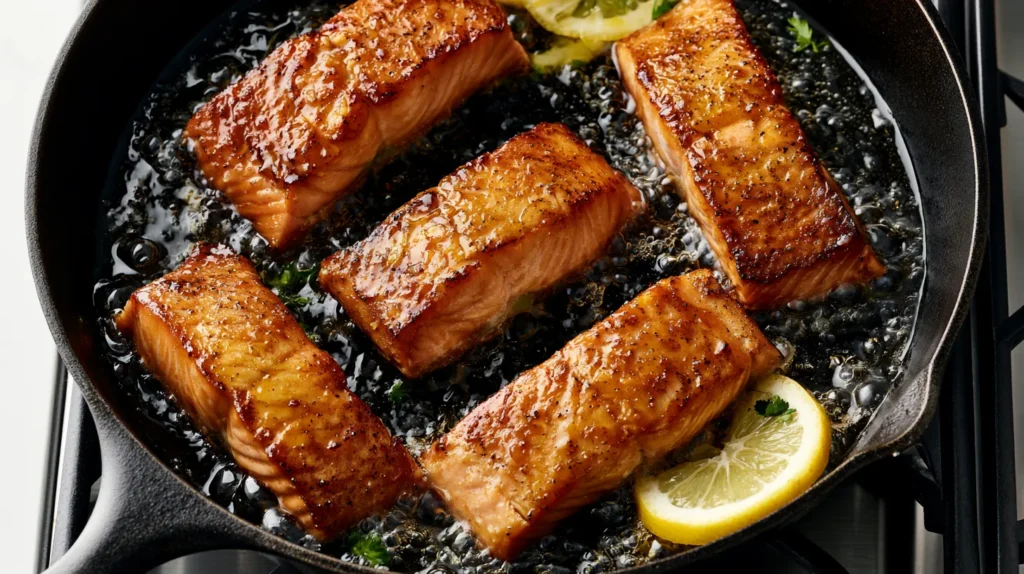
Here’s the part people often miss. Do not add the glaze at the start. Honey can scorch over high heat. Sear the salmon first, then add the glaze after the flip. That order gives you color first, then shine second.
The process looks simple because it is. Still, that order keeps the flavor cleaner.
The Full Honey-Glazed Salmon Recipe
This honey-glazed salmon recipe makes four servings. The measurements use basic U.S. amounts, so nothing gets weird. I like center-cut fillets when possible because they cook more evenly. However, thinner pieces still work if you watch them closely.
Ingredients:
- 4 salmon fillets, about 6 ounces each
- 1/3 cup honey
- 3 tablespoons low-sodium soy sauce
- 2 tablespoons fresh lemon juice
- 2 garlic cloves, minced
- 1 tablespoon olive oil
- 1 teaspoon Dijon mustard
- 1 tablespoon unsalted butter
- 1/2 teaspoon kosher salt
- 1/4 teaspoon black pepper
- 1/4 teaspoon red pepper flakes, optional
- 1 tablespoon chopped parsley, optional
- Lemon wedges, for serving
Steps:
- Pat the salmon dry with paper towels.
- Season both sides with salt and black pepper.
- Whisk honey, soy sauce, lemon juice, garlic, Dijon, and red pepper flakes.
- Heat olive oil in a large skillet over medium-high heat.
- Place salmon in the skillet, top side down.
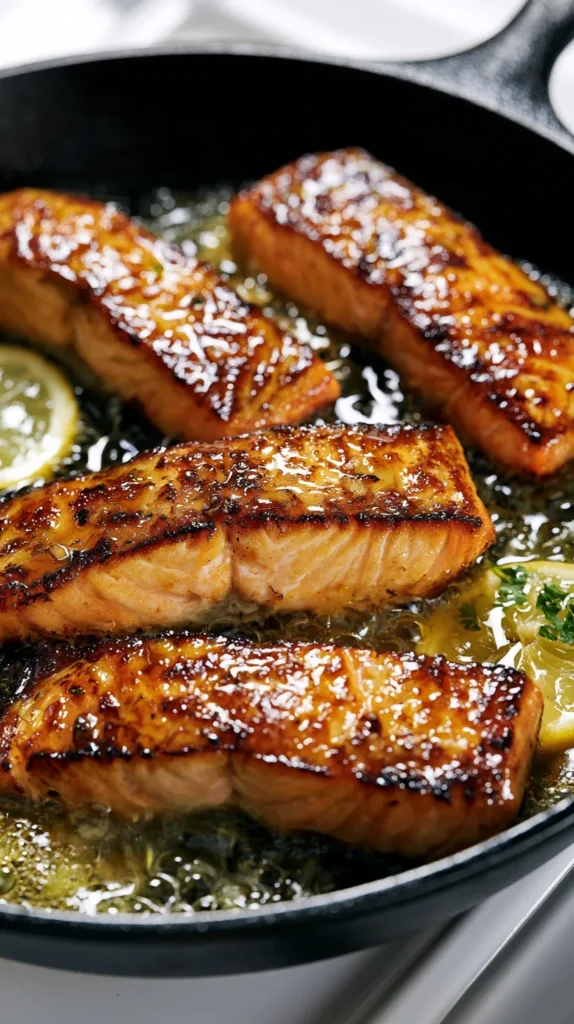
- Cook for 3 to 4 minutes, until golden underneath.
- Flip the salmon gently with a thin spatula.
- Lower the heat to medium.
- Add the honey mixture and butter to the skillet.
- Spoon the glaze over the salmon for 3 to 5 minutes.
- Cook until the thickest part reaches 145°F.
- Remove the salmon from the skillet.
- Spoon extra glaze over the top.
- Add parsley and lemon wedges before serving.
When the glaze thickens too quickly, add one teaspoon of water. If it looks thin, simmer it briefly after removing the salmon. That tiny adjustment keeps the sauce glossy.
Serve the salmon right away for the best texture. The glaze tastes best warm, especially with rice or vegetables underneath. Add another squeeze of lemon if the plate needs brightness.
How To Cook It Without Drying It Out
Dry salmon can happen quickly, so heat control matters more than fancy technique. I always think of salmon as a fast-cooking protein with a narrow comfort zone. That sounds slightly dramatic, but the skillet proves it.
Start with medium-high heat for the first side. This gives the salmon color before the inside finishes cooking. After you flip it, lower the heat to medium. That one move protects the glaze and slows the second half of cooking.
Thickness changes everything. A thin tail piece may finish before a thick center cut. If your fillets look uneven, pull the thinner pieces first. You do not need every piece to leave the skillet at the exact same second.
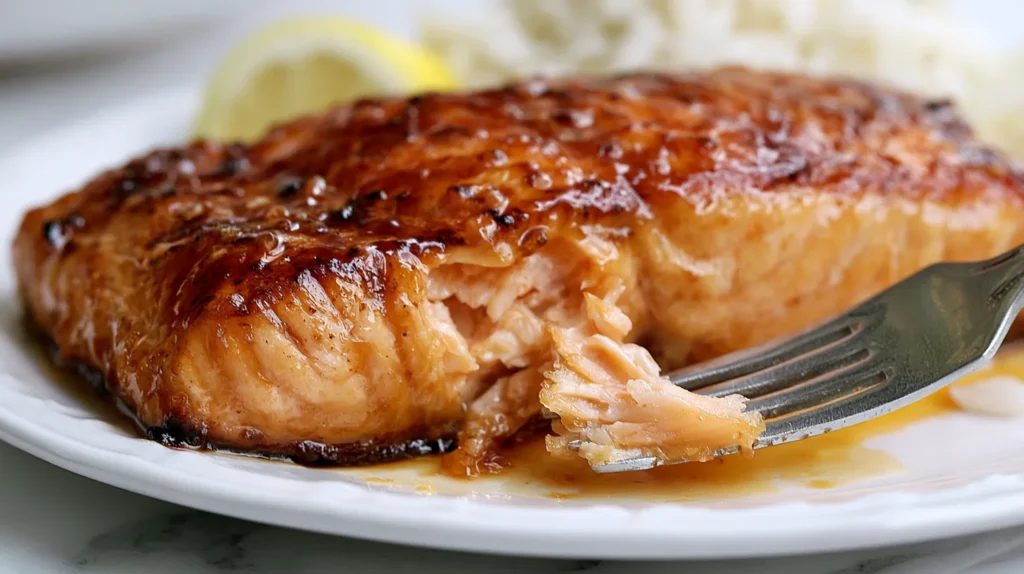
A thermometer helps more than guessing. Cook salmon to 145°F in the thickest part for safe doneness. If you cook by sight, look for flakes that separate easily. The center should look moist, not chalky.
Also, let the glaze bubble gently. Hard boiling can reduce it too fast and push the honey toward bitterness. Gentle bubbling gives you a smoother finish. It also gives you time to spoon the sauce over the salmon.
Here’s the reset: extra sauce will not fully cover overcooking. It helps the bite taste better, but it cannot restore lost moisture. So remove the salmon as soon as it reaches doneness.
The skillet may still hold extra glaze after that. Let it simmer for a minute if you want it thicker. Then spoon it over the salmon right before serving. That keeps the surface glossy without extra cooking time.
Simple, yes. Careless, no. That little difference matters.
Small Tips That Make The Glaze Better
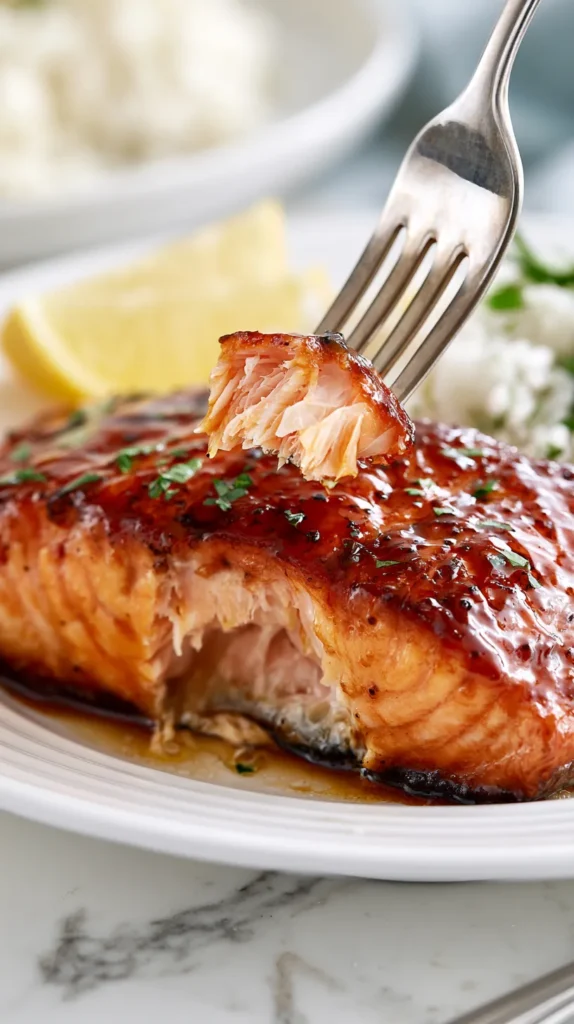
A good glaze tastes sweet, salty, bright, and smooth. I do not want one overpowering flavor in the whole pan. Honey-glazed salmon tastes best when the sauce stays balanced, not sugary.
A few small moves help a lot:
- Use fresh garlic for the best flavor.
- Measure the honey before the lemon juice.
- Spray the measuring cup lightly if honey sticks.
- Keep the heat at medium after adding the glaze.
- Stir the sauce around the pan as it bubbles.
- Add one teaspoon of water if the glaze gets too thick.
- Squeeze in lemon if the sauce tastes too sweet.
- Avoid extra salt until after the sauce reduces.
- Use a thin spatula to flip the fillets cleanly.
- Serve right after cooking for the best texture.
The lemon tip matters most. Honey brings sweetness, but lemon keeps the sauce clean. Without enough acid, the glaze can taste heavy. With enough lemon, the sweetness stays pleasant.
Butter also helps, but use just one tablespoon. More butter can make the sauce too rich. One tablespoon gives the glaze a smoother texture without turning dinner greasy.
If garlic browns too much, the flavor can turn bitter. That is another reason to add the glaze after the salmon gets seared. The garlic cooks gently in the sauce instead of burning in the oil.
I also like scraping the pan lightly while the glaze simmers. The browned bits add depth, as long as they are not burned. If anything looks black, leave it alone. Burnt bits make the glaze taste harsh.
Tiny details can sound annoying, I know. However, these are not fancy-chef details. They are simple guardrails that prevent hot honey and regret.
What To Serve With Honey-Glazed Salmon
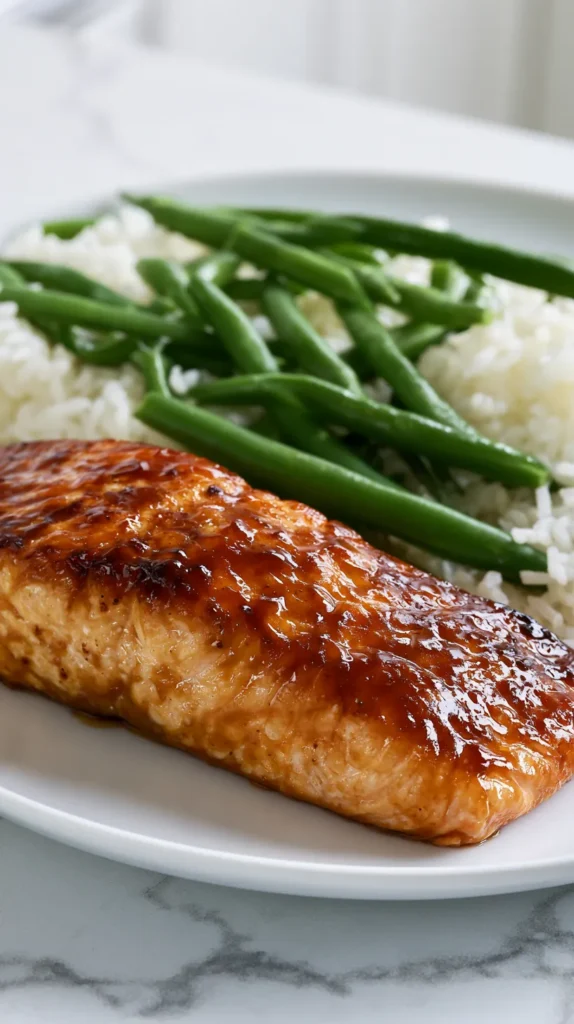
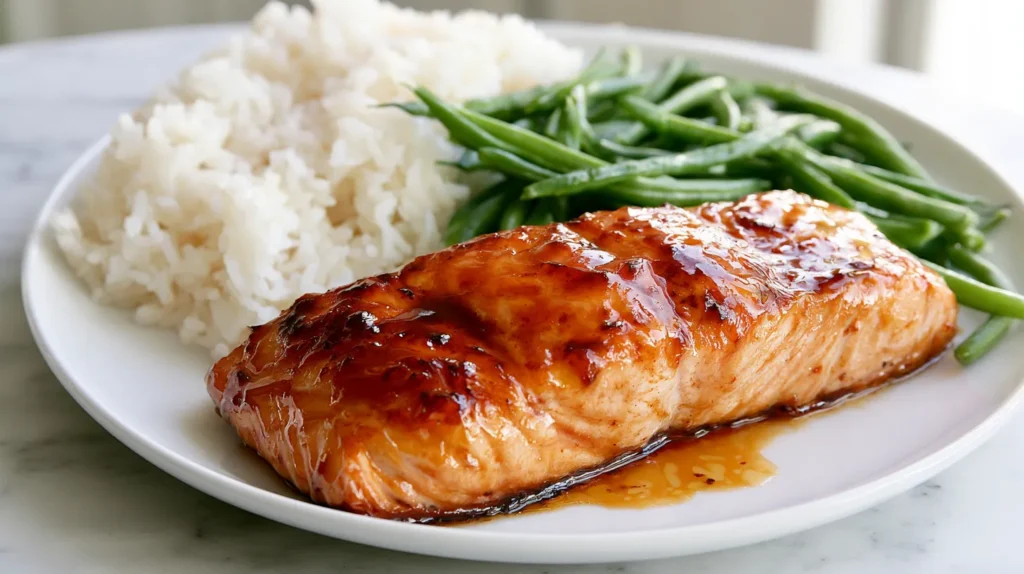
Honey-glazed salmon pairs well with simple sides because the glaze already brings strong flavor. I like that because dinner seems easier when the sides stay simple. Nobody needs three bold dishes on one plate. That gets exhausting fast.
Rice is the easiest match. Jasmine rice, white rice, brown rice, or coconut rice all work well. The glaze spreads into the rice, which makes the whole plate taste more complete. Add cucumbers or steamed green beans, and dinner looks fresh.
Potatoes also work better than people expect. Mashed potatoes make the plate cozy, while roasted potatoes add texture. Sweet potatoes can taste great too, especially with extra lemon on the salmon. That citrus keeps the meal from leaning too sweet.
For vegetables, choose something crisp or lightly roasted. Green beans, snap peas, carrots, zucchini, asparagus, or roasted broccoli all fit. I do not love every vegetable on that list, but I respect the range. Use what your table will eat, because wasted vegetables annoy everyone.
A salad can keep the meal light. Try mixed greens with lemon vinaigrette, cucumber salad, or cabbage slaw. Crunch matters because salmon has a soft texture. A crisp side makes each bite more interesting. That texture shift helps more than expected.
Here’s the useful reframe. A side dish works best with contrast, not clutter. Think rice for softness, vegetables for color, and lemon for brightness.
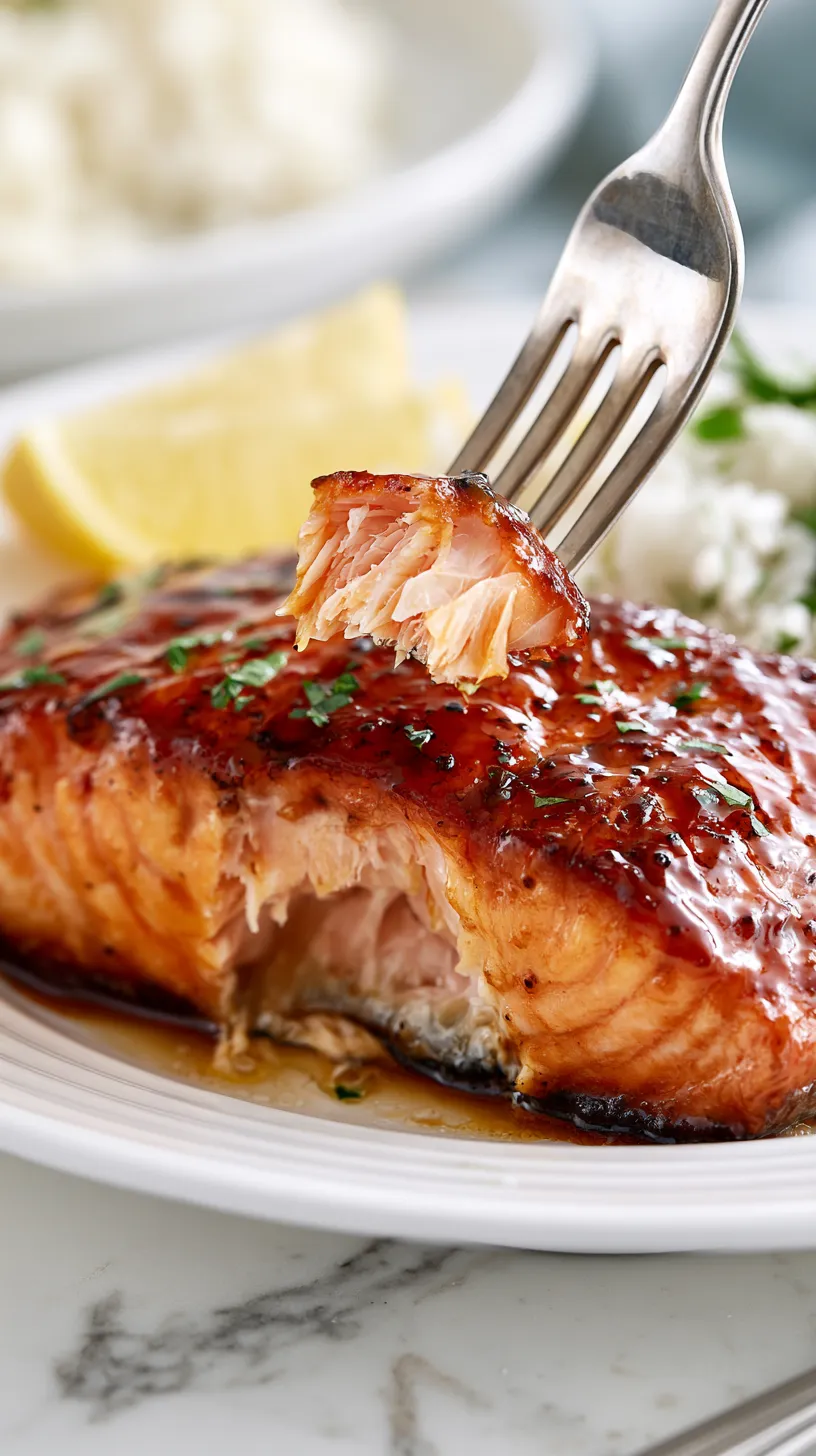
For a pretty plate, add parsley and lemon wedges. Those finishing touches take about ten seconds. They also make the salmon look fresh without adding extra work. That is exactly the kind of low-effort win I want from dinner.
FAQs For This Sweet And Savory Salmon
Honey-glazed salmon is simple, but fish recipes still bring questions. I get it. Nobody wants to guess their way through seafood, especially when honey is in the skillet too. These answers keep the process clearer.
- Can I use frozen salmon? Yes, thaw it fully first. Then pat it very dry before seasoning.
- Can I bake this instead? Yes. Bake at 400°F for 10 to 14 minutes. Simmer the glaze separately, then brush it over the salmon.
- Can I use maple syrup instead of honey? Yes, but the flavor will taste deeper. Honey gives a brighter sweetness.
- Should I use skin-on salmon? You can. Skin-on salmon can help protect the bottom while cooking.
- Can I remove the skin after cooking? Yes. It usually lifts away easily after the salmon cooks.
- How do I store leftovers? Refrigerate cooled salmon in an airtight container for up to 3 days.
- How should I reheat leftovers? Warm the salmon gently in a covered skillet over low heat.
- Can I make the glaze ahead? Yes. Mix it one day ahead and refrigerate it.
- What if the glaze tastes too sweet? Add more lemon juice, a little at a time.
- What if the glaze burns? Lower the heat next time. Add the glaze after the first sear.
My strongest opinion here involves reheating. Microwaves can make salmon tough, and the smell lingers. A skillet gives you better control.
Leftovers also work nicely in bowls. Add rice, cucumbers, carrots, and extra lemon. That gives the salmon a fresh direction instead of pretending it just left the skillet.
Different second meal, better mood. That little shift deserves support.
Honey-Glazed Salmon
Ingredients
Method
- Pat the salmon dry with paper towels.
- Season both sides with salt and black pepper.
- Whisk honey, soy sauce, lemon juice, garlic, Dijon, and red pepper flakes.
- Heat olive oil in a large skillet over medium-high heat.
- Place salmon in the skillet, top side down.
- Cook for 3 to 4 minutes, until golden underneath.
- Flip the salmon gently with a thin spatula.
- Lower the heat to medium.
- Add the honey mixture and butter to the skillet.
- Spoon the glaze over the salmon for 3 to 5 minutes.
- Cook until the thickest part reaches 145°F.
- Remove the salmon from the skillet.
- Spoon extra glaze over the top.
- Add parsley and lemon wedges before serving.
Tried this recipe?
Let us know how it was!The Glossy Little Dinner Win I’d Make Again
I like recipes that give regular nights a little lift. Not a full production. Just enough shine to make dinner look cared for. Honey-glazed salmon fits that lane beautifully because it tastes bright, cooks fast, and uses normal ingredients.
As a mom, I appreciate meals that do not require me to babysit six pans. One skillet, one bowl of glaze, and a few simple sides can do plenty. Some nights call for practical food with a pretty finish, and I will not apologize for that.
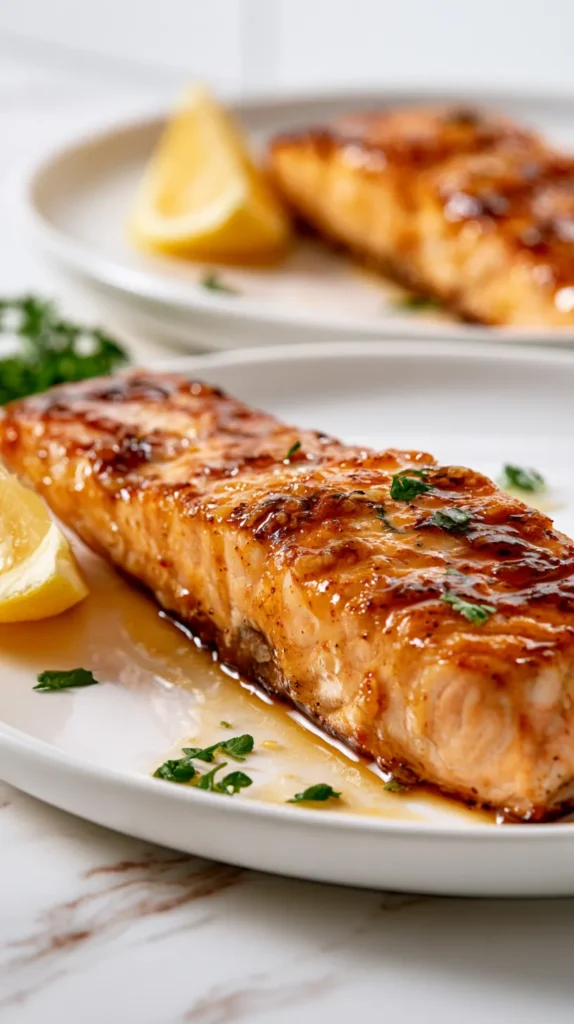
I also like that this recipe has Pinterest appeal without becoming fragile. The glossy glaze, lemon wedges, and bright color look pretty on a plate. However, the process still fits real life. That combination matters more than a perfect photo.
The best part is the timing. Once you understand when to add the glaze, the rest seems manageable. Sear first, glaze second, serve warm. That order keeps the flavor balanced and the texture tender.
I’ve found that simple dinners often get dismissed too quickly. People assume easy means plain, and that is just not true. Easy can still taste bright, rich, and a little special. It can also leave the kitchen looking reasonable afterward, which deserves respect.
So this is the kind of recipe I’d keep close for busy nights. It gives you that sweet-salty finish without dragging dinner into complicated territory. Add rice, something crisp, and maybe extra lemon.
That’s dinner with shine, minus the drama.